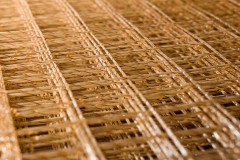
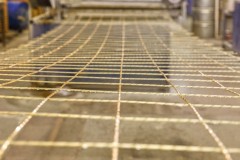
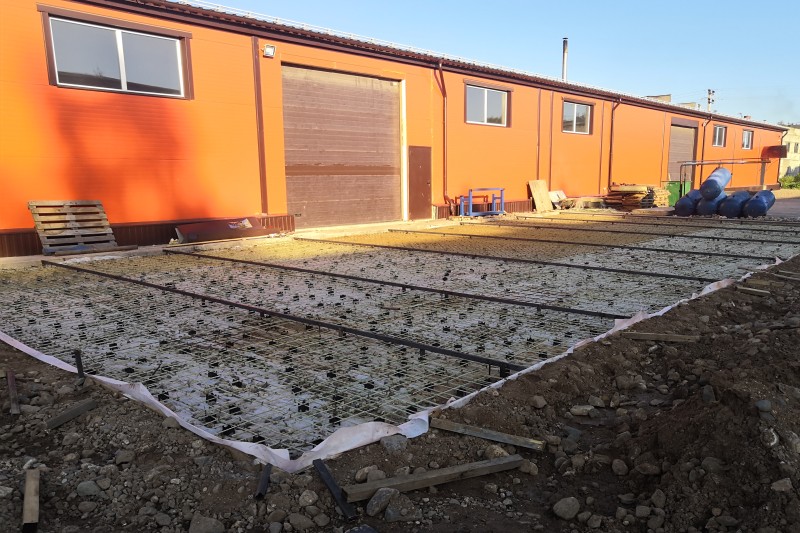
The idea of manufacturing composite mesh has received exceptional support. Its rapid adoption is driven by its special technical characteristics and properties.
These include:
- non-conductivity of electricity and heat (the latter improves the thermal-insulation properties of a structure);
- resistance to moisture-related deterioration;
- resistance to chemical components;
- durability;
- strength;
- ease of cutting and use at low ambient temperatures;
- compact storage.
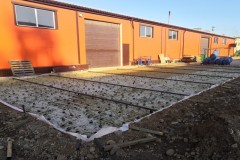
These properties give composite mesh a major advantage over the metal mesh previously used. Although it entered the construction market relatively recently, it is now included in many projects, from building homes to equipping bridges.
Offer Highlights
- The price is for an LS-1 automatic machine for manufacturing composite GFRP mesh up to 1 meter wide in the standard configuration, including the production technology;
- delivery to any region, operator training, commissioning and start-up, warranty service, and post-warranty service;
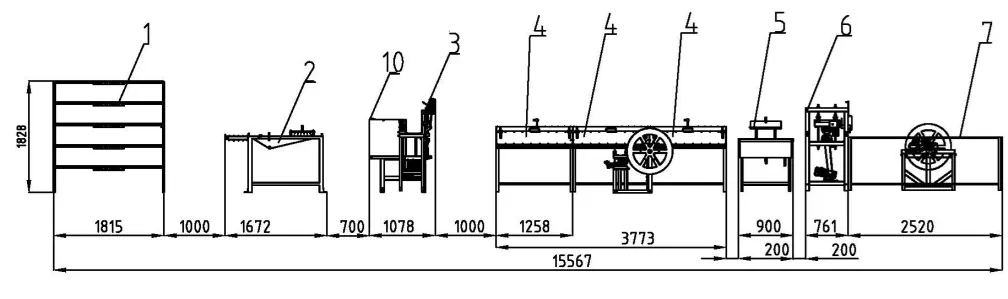
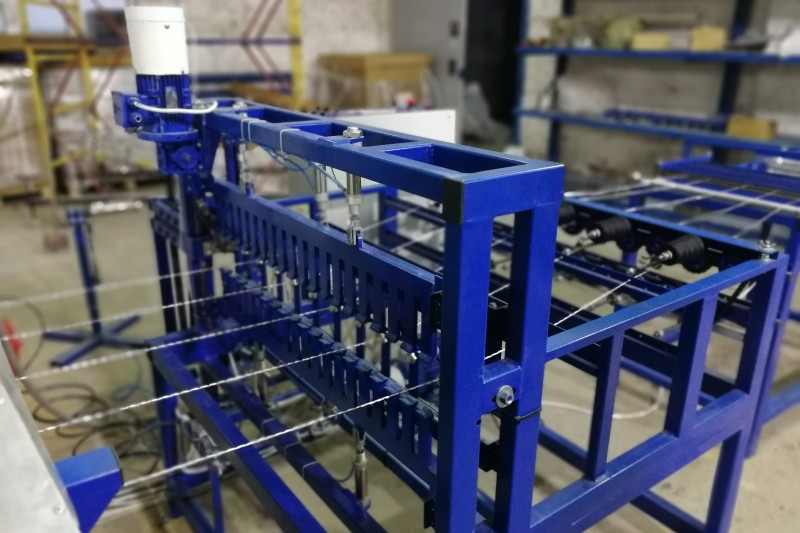
- equipment dimensions: 14 × 1.5 × 2 m;
- mesh bar diameter from 1.0 mm to 10.0 mm;
- machine output: 1.5 linear meters per minute;
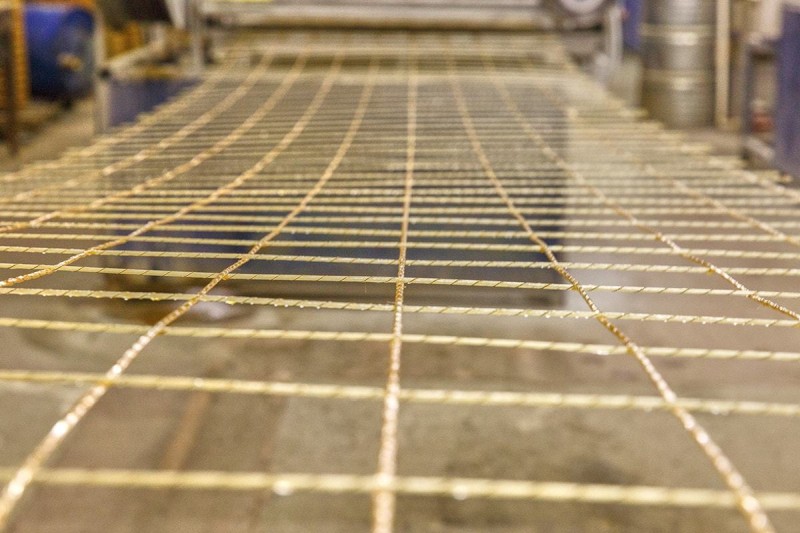
- mesh openings: 50 × 50, 100 × 100 mm, 50 × 100 mm, and 50 × 200 mm;
- power consumption: 20 kW during start-up and 12 kW in operating mode;
- the line requires 1 operator;
- 3-year warranty;
Manufacturing Process
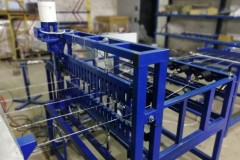
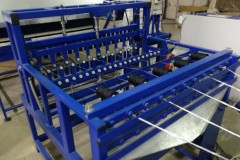
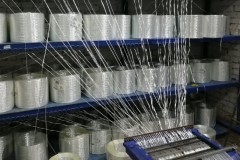
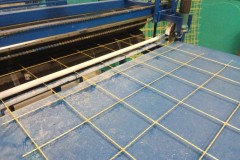
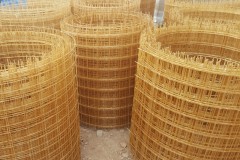
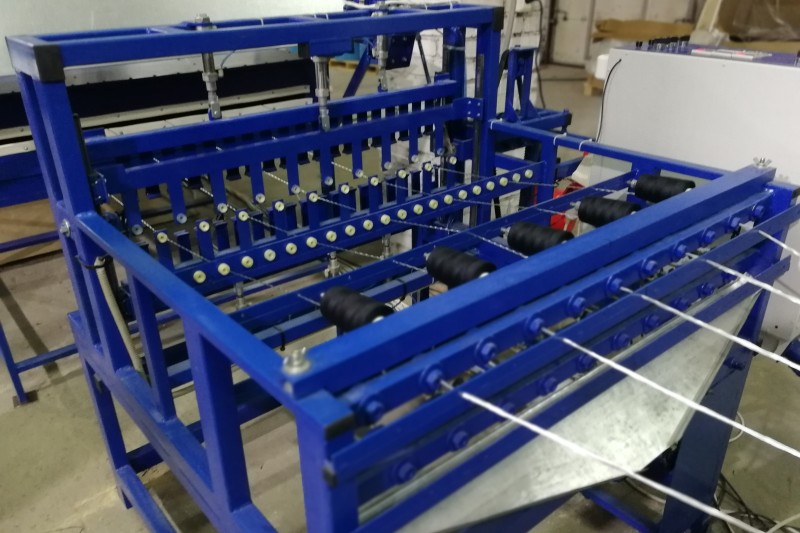
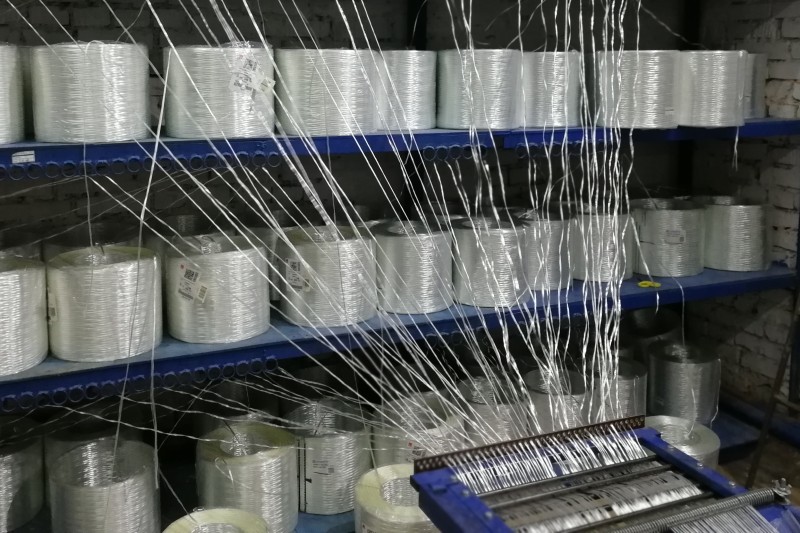
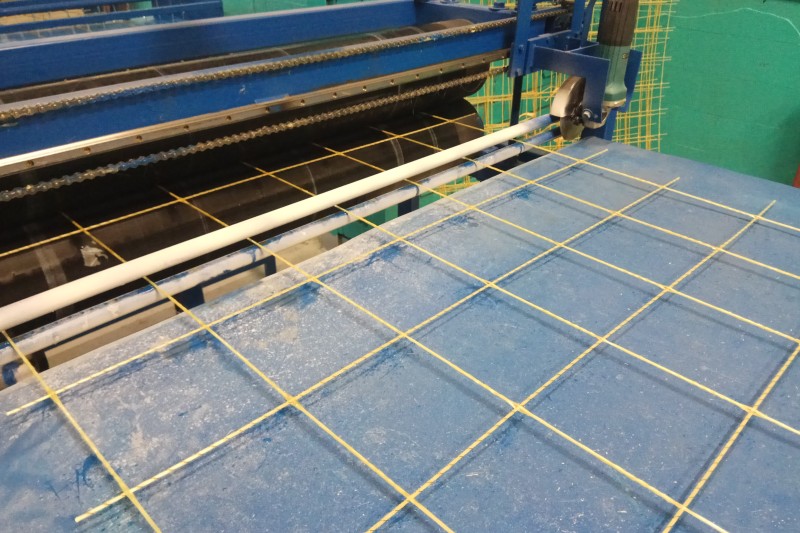
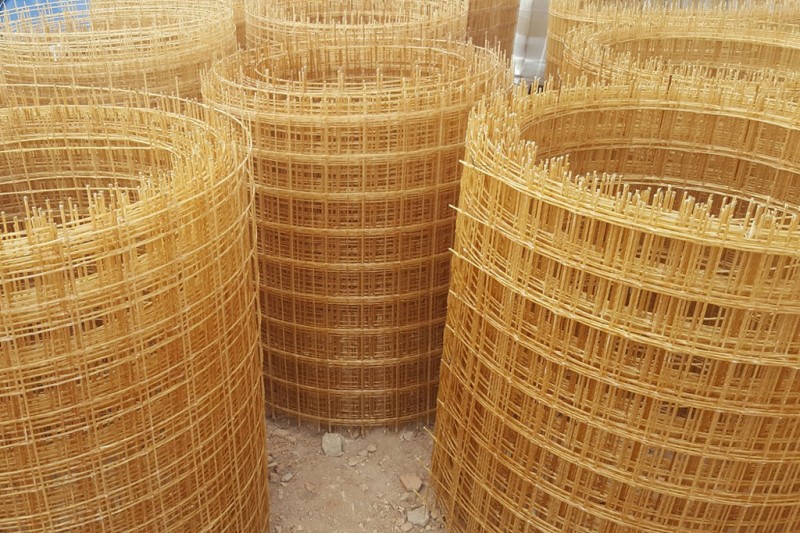
The raw material is glass fiber or basalt fiber supplied as yarn on bobbins. After the bobbins are installed, the machine is threaded. The material is then impregnated and the yarns are formed into small bars. The bars move through a section where they are woven together. The mesh then undergoes thermochemical treatment for fixation. The final stage – winding into rolls of the specified length.
Offer Highlights
We manufacture machines in 4 configurations differing in line width and maximum bar diameter:
- SPS-1-4 – line width 1 m, bar diameter up to 4 mm.
- SPS-2-4 – line width 2 m, bar diameter up to 4 mm.
- SPS-1-8 – line width 1 m, bar diameter up to 8 mm.
- SPS-2-8 – line width 2 m, bar diameter up to 8 mm.
A 1-meter line can produce mesh of any width from 0.5 to 1 m; a 2-meter line can produce mesh from 0.5 to 2 m wide.
By changing the line settings, the mesh opening size can be varied from 50 to 200 mm in any combination.
Additional equipment-design differences depend on the method used to weave the mesh bars:
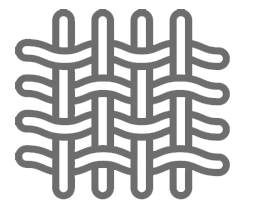
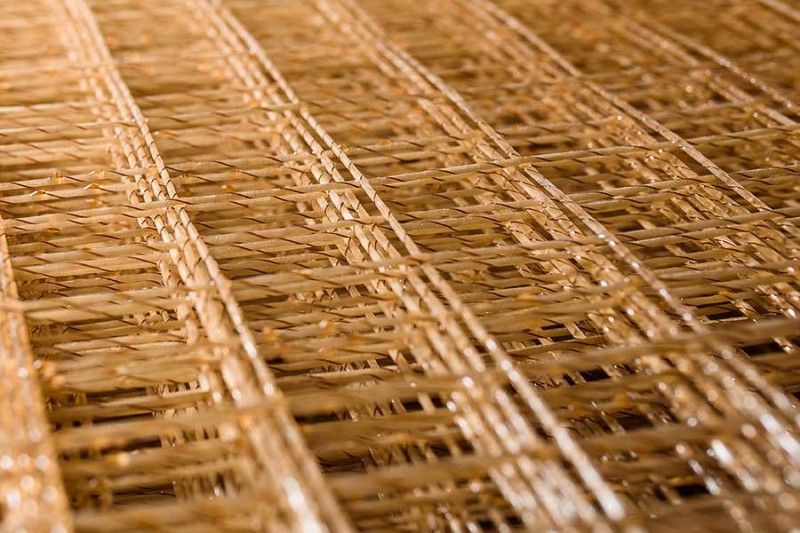
- carpet weave (transverse bars alternately pass around the longitudinal bars).
- twisted weave (transverse bars pass through the longitudinal bars).
The second mesh-weaving option provides additional strength; this modification costs RUB 300,000 more.