8 (800) 550-39-50

Steel bending

Ivanovo Mechanical Plant performs metal bending of varying complexity. Modern equipment makes it possible to perform all types of machining on blanks made of steel, aluminum, stainless steel, copper and other materials. Special attachments can be used to deform the entire part or individual sections to obtain the required configuration. We accept orders for processing bars, sheets, pipes and other blanks.

Technology Features

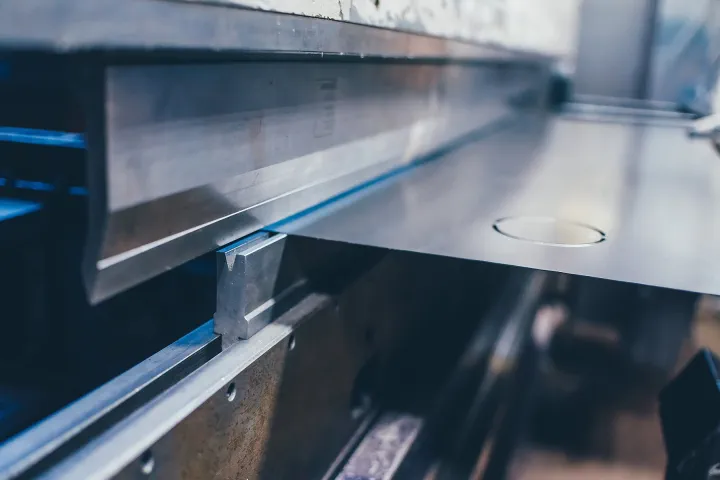
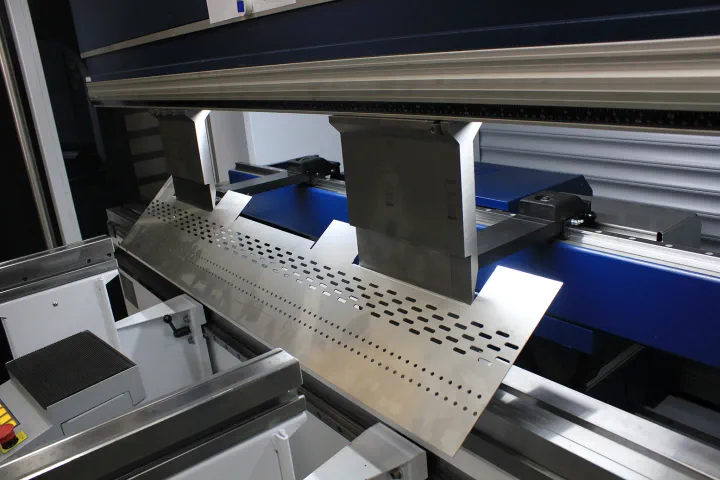
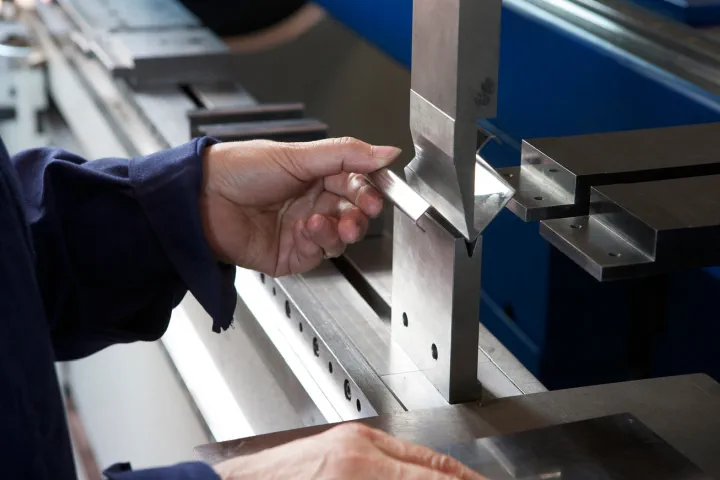
Steel bending — machining metal blanks by deforming them in space to obtain the required part geometry. The required configuration is formed by applying directed forces generated by the mechanical, hydraulic or electric mechanisms of the bending equipment. Different equipment is used depending on the complexity of the task:

  • hydraulic pipe benders;
  • swivel, rotary and rotary-bending machines for processing rebar;
  • universal automatic bending machines;
  • hydraulic presses and other equipment.

The design of the equipment, together with the technologies used, makes it possible to change the configuration of the entire blank or individual sections in any proportion using special attachments. When force is applied to the surface of a part, the structure is compressed on the inner side while the layers on the opposite (outer) side of the blank are stretched. This produces a bend at a specified angle in one or more sections relative to the other part or parts of the product.

Advantages of Steel Bending by Our Company

Professional bending makes it possible to give steel products various shapes.

1

Bending Various Types of Metal

We bend products made from various types of metal.

2

Wide Range of Equipment

Steel bending requires a different approach for each shape, and each operation requires its own machine.

3

Extensive Experience

We have been providing steel bending for more than 10 years, both for our own needs and to order. We are ready to fulfill any order.

Submit an Inquiry Now

Our experts will respond as soon as possible

Types of Metal Bending

Depending on the configuration of the finished part, our plant specialists use the following types of blank processing:

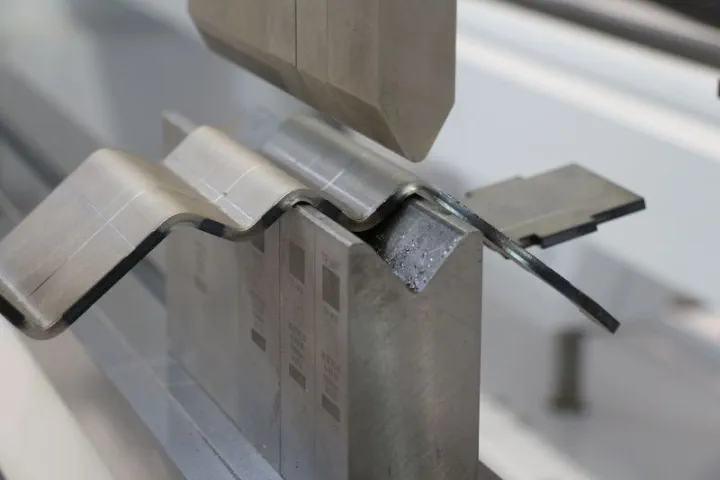
  • Single-angle or V-shaped. The simplest option for bending linear or flat blanks: the outer structural layers are stretched while the inner layers — are compressed. The result is a bend at a specified angle. This method is used for processing rebar, bars, strips and metal sheets.
  • Double-angle or U-shaped. This method is used to manufacture parts and profiles with a U-shaped cross-section. It is most often used for small-section sheet metal.
  • Multi-angle. Combining the two previous methods in different proportions makes it possible to manufacture parts with complex configurations.
  • Radius or faceted. Processing blanks to obtain parts or profiles with a semicircular or circular cross-section.
  • Curved. A combination of different types of plastic deformation for manufacturing hinges, clamps and other parts with complex configurations.

Various technologies are used to obtain the required configuration:

Free Bending

The blank is deformed without first fixing its axis of symmetry. The specified bend angle is achieved by pressing a punch — the machine working element — against a specific part of the workpiece. The cross-sectional configuration of the finished product is determined by the shape of the attachment or punch.

Calibration Strikes

The blank is first fixed inside a die selected according to the required configuration. A targeted strike is then applied to obtain the required part shape.

Roll Bending

The specified configuration of the blank, fixed in a die, is achieved as the working part of the machine rotates. As the rollers move, they act on the blank surface and give it the shape of the die.

Who Needs Steel Bending?

Steel bending services are in demand among small and large companies in various industries. They are ordered when a large quantity of angles, slopes or other parts with a specified configuration is needed for manufacturing fasteners, mechanisms and structures. Metal processing is ordered for the production of hinges, clamps, modular partitions, frames, gutters, boxes and suspended systems.

Advantages of Steel Bending

Modern equipment and advanced technologies provide the following advantages:

  • Enhanced dimensional accuracy and conformity to the specified configuration.
  • The ability to process different metals.
  • Fast production of large batches of complex-shaped parts.

Drawing Requirements

Professional steel bending in the workshops of Ivanovo Mechanical Plant is performed in accordance with GOST and other regulatory requirements. As a rule, orders for parts manufactured by steel bending are accepted when drawings of the required format are provided. They must be highly legible and contain detailed information about the finished products: structural and overall dimensions, detailed descriptions and sections of complex areas, tolerances and other parameters required for high-quality manufacturing. If necessary, our engineers can develop documentation based on customer sketches.