8 (800) 550-39-50

Supplier of building equipment and materials in Yekaterinburg

The equipment we offer is the main tool for launching your own production in the consistently relevant construction sector. Since we manufacture and install the machines ourselves, we can offer you the lowest prices, starting from 550 000 RUB.

Based on all available research and analysis, we consider the composite-materials sector to be one of the most promising areas today, which is why we focus on it.

1. GFRP rebar production equipment

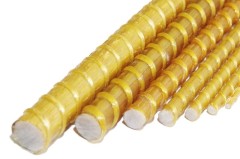
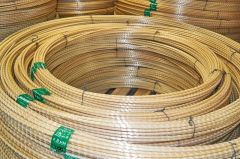
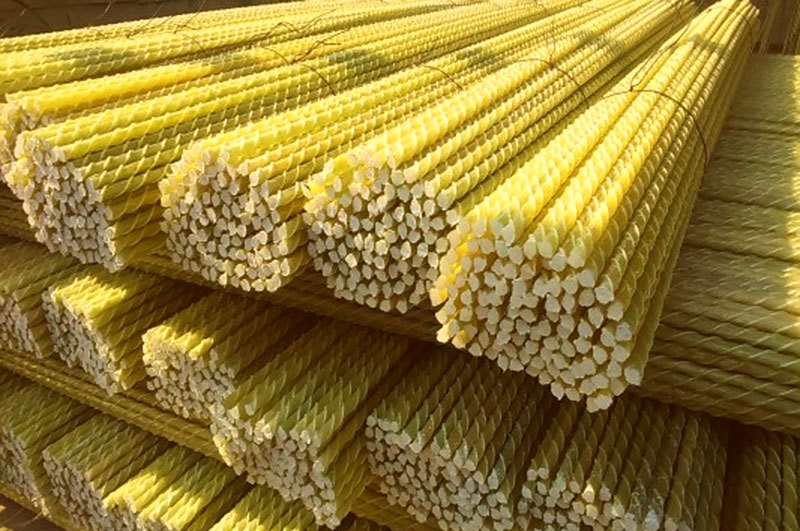
Composite rebar consists of ribbed bars used in the construction of various buildings, including residential houses, as well as bridges, highways and mountain roads. It is increasingly used to reinforce concrete products.

The main criteria customers consider when purchasing this product are bar diameter, supply form (coils or straight lengths) and price. We enable our customers to influence each of these factors and thus expand the range of customers they can serve.

TURNKEY BUSINESS

FROM 990 000 RUB

profitability from 90%

payback period from 1 month

staff 1–2 people

download the business plan

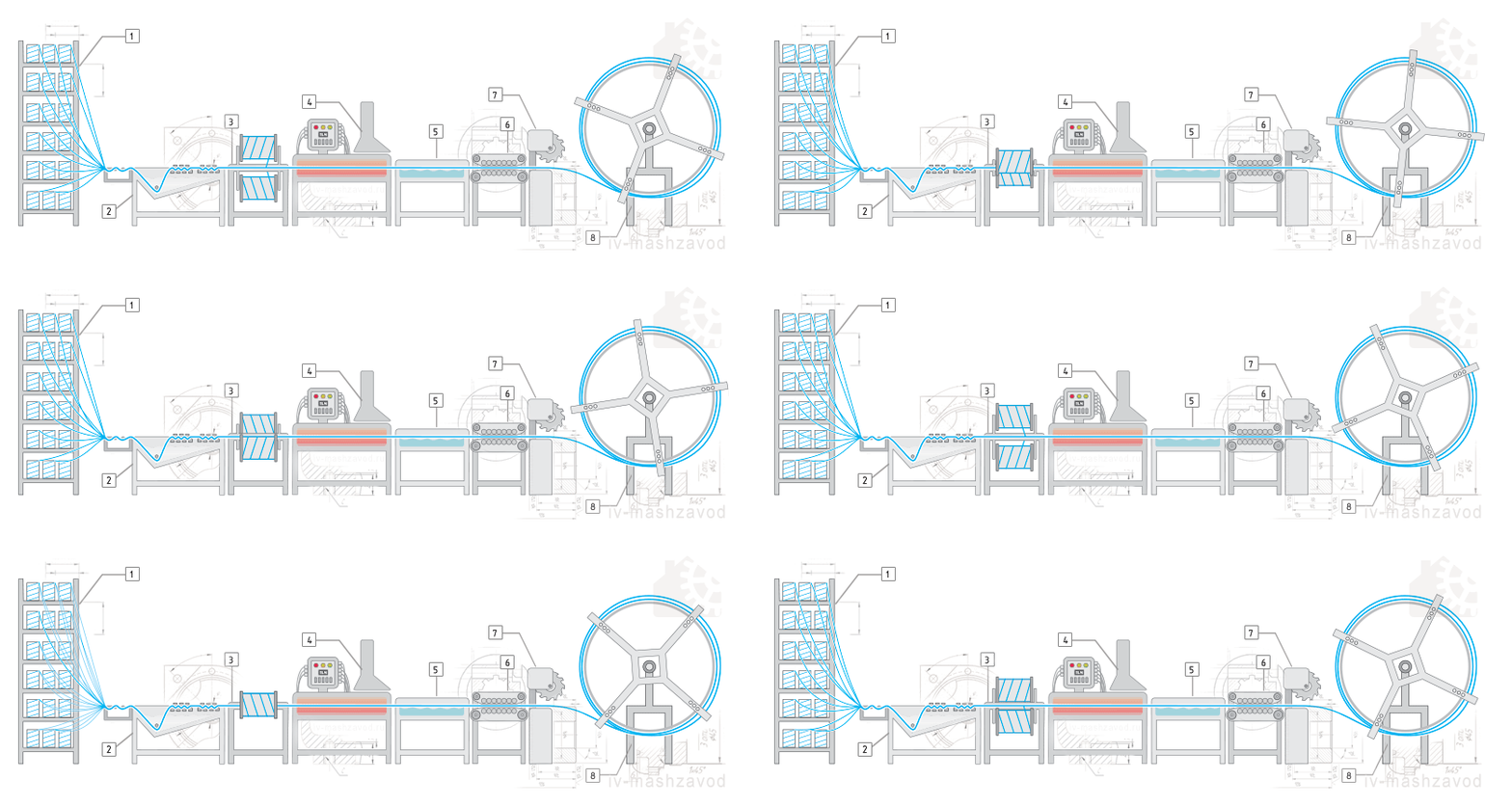
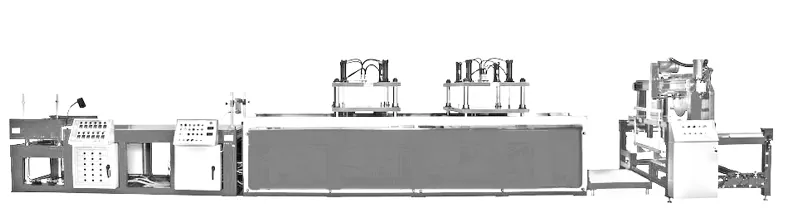
Components of the composite GFRP rebar production line

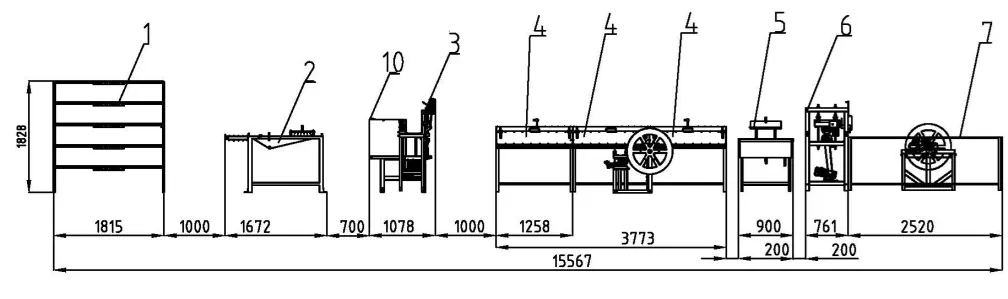
SPA-1/SPA-2 lines

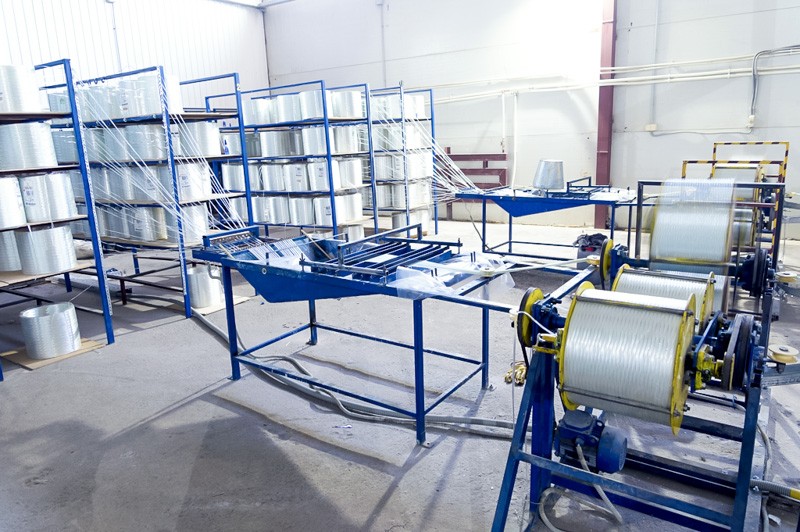
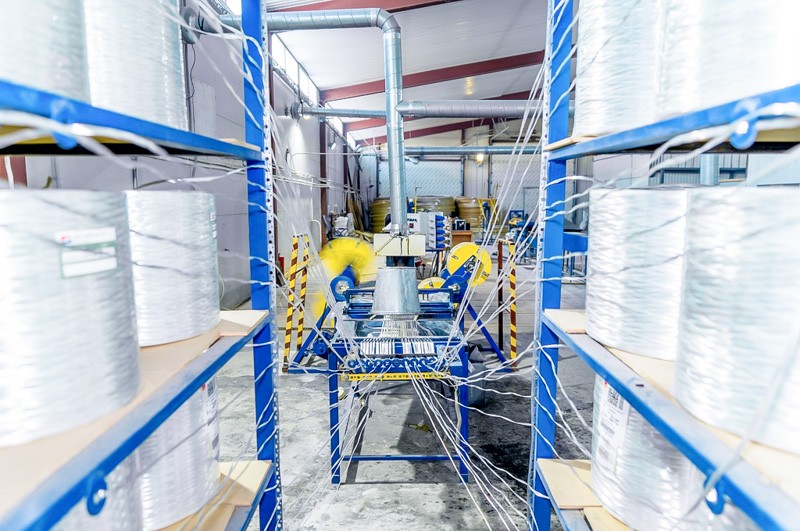
  1. Roving storage rack
  2. Impregnation chamber
  3. Automatic thread twisting unit
  4. Tunnel oven
  5. Water cooling bath
  6. Pulling unit
  7. Automatic cutting unit
  8. Automatic coiler

View specifications

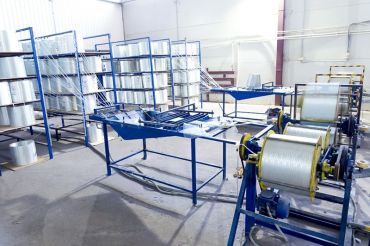
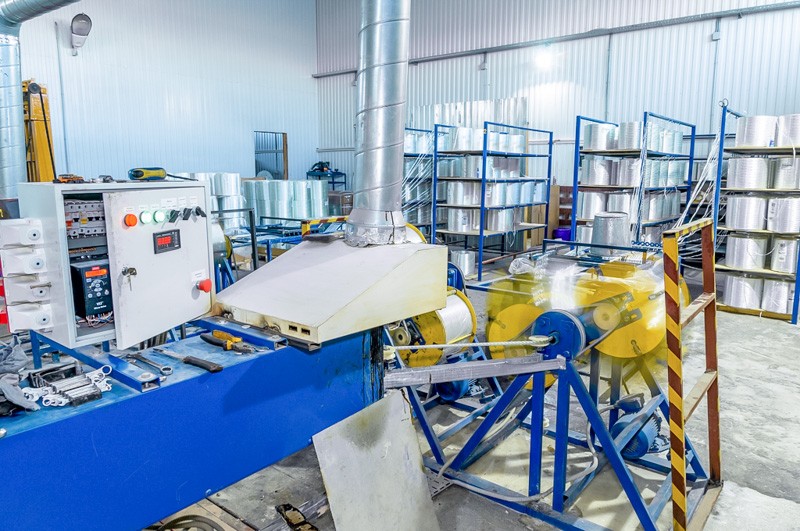
Our GFRP rebar production equipment

GFRP rebar production equipment

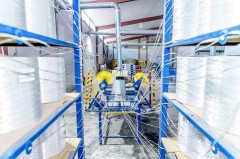
GFRP rebar production machine

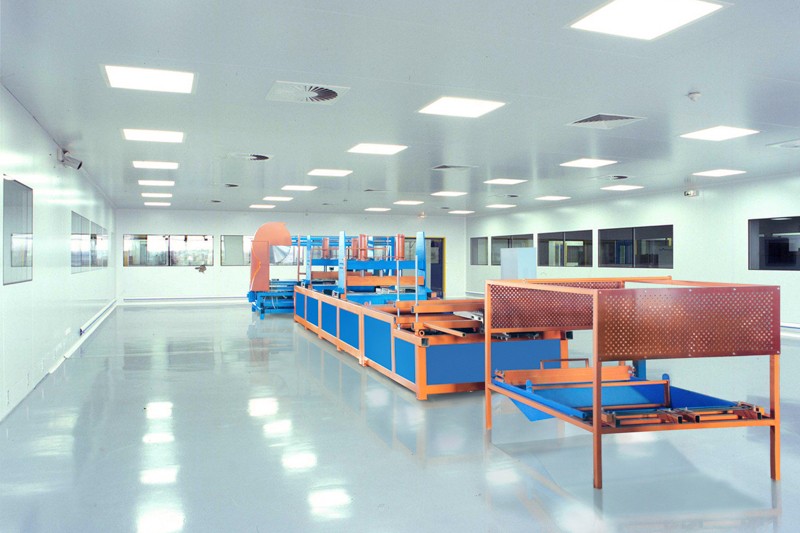
GFRP rebar production line

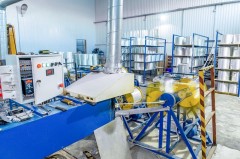
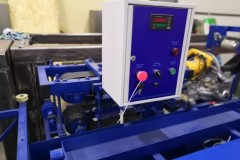
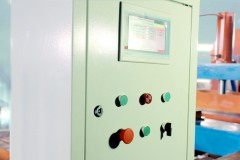
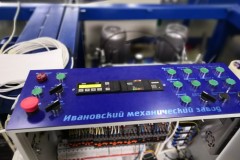
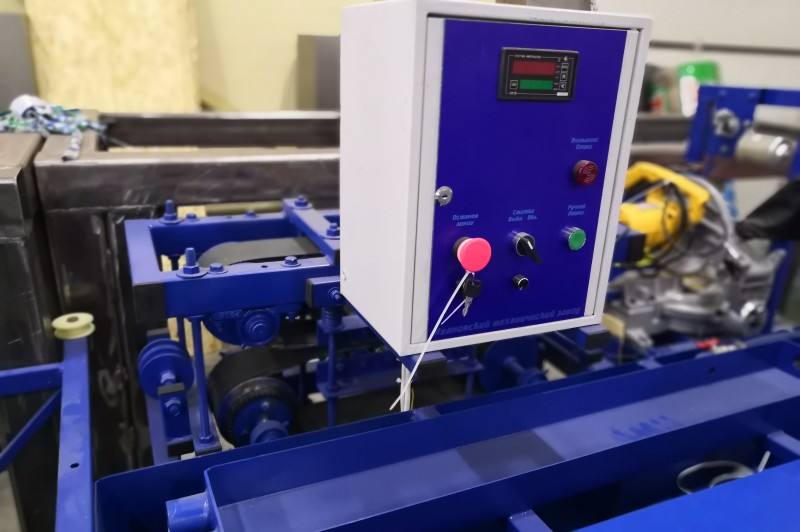
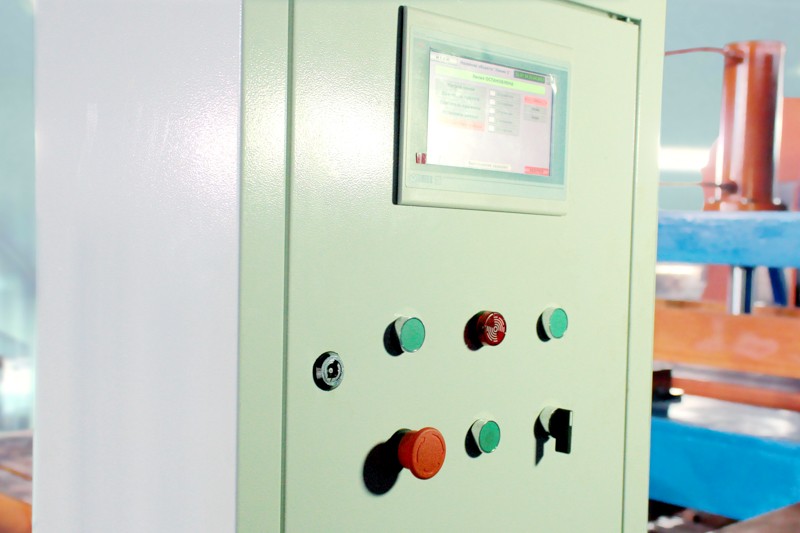
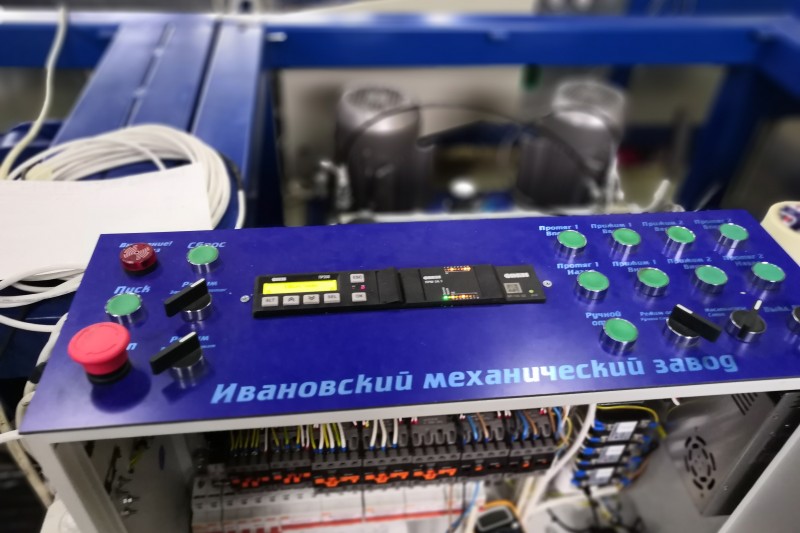
Control panel for GFRP rebar production

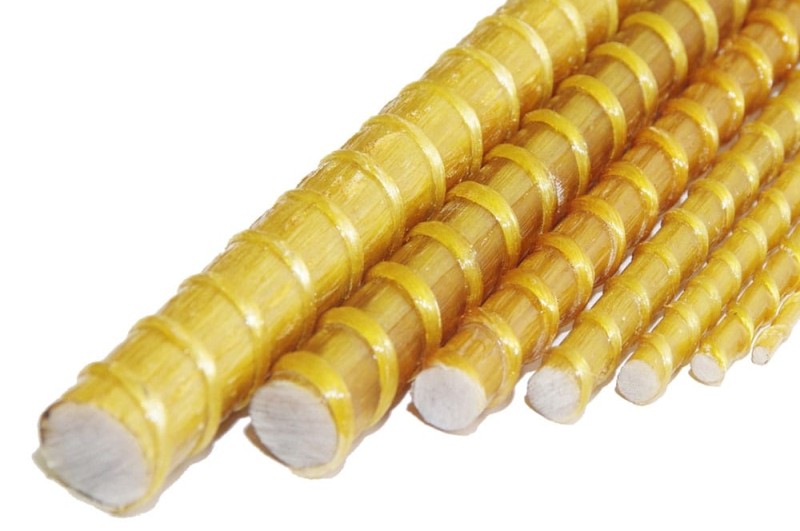
Types of GFRP rebar produced with our equipment

GFRP rebar in various diameters

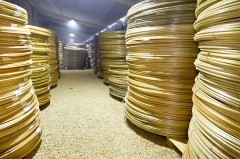
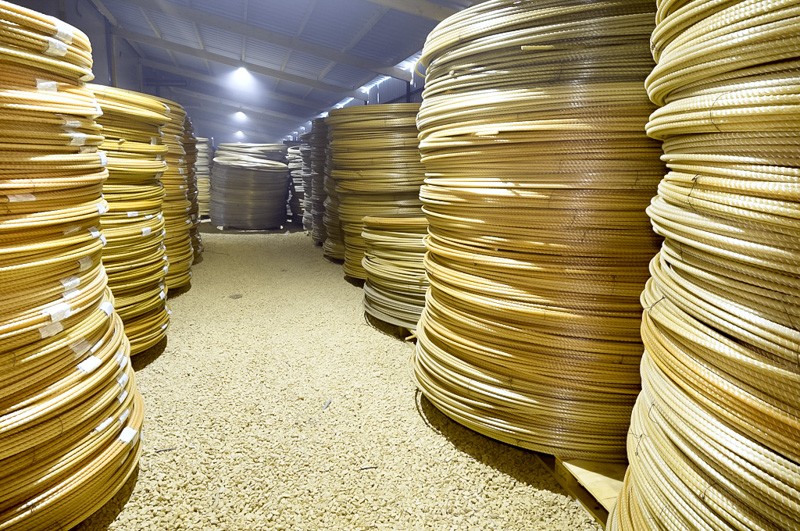
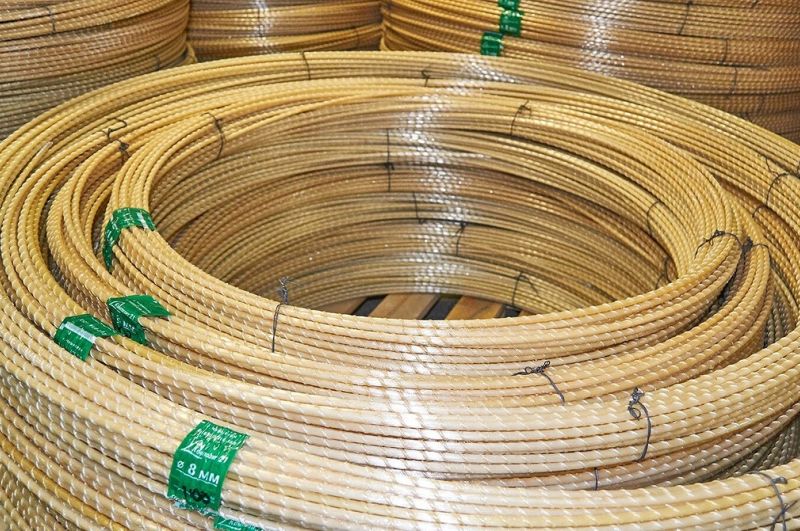
Coiled GFRP rebar

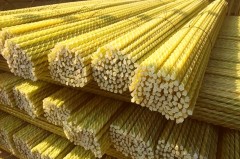
GFRP rebar in straight lengths

Coiled GFRP rebar

GFRP rebar production technology

The production technology supplied with the equipment includes:

  • compound preparation technology,
  • technology for manufacturing rebar in accordance with GOST and technical specifications,
  • certification of your products, laboratory testing, and issuance of a certificate confirming that your product complies with GOST.

The production of high-quality rebar that meets all GOST requirements depends on the use of proven and certified technology developed by professionals. Our company has its own laboratory specializing in composite-materials research.

The research laboratory at our company is headed by Pavel Vyacheslavovich Nikolaev.

- Doctor of Chemical Sciences and professor at the Department of Chemistry and Technology of High-Molecular Compounds at Ivanovo State University of Chemistry and Technology (ISUCT).

Here is how Pavel Vyacheslavovich describes it:

Since 1973, my research interests have included epoxy oligomers and composite materials based on them. Since 2012, I have headed the laboratory of the research and manufacturing company, Ivanovo Mechanical Plant. Building-materials production is a major responsibility: people health and even lives are at stake, so technology must be handled with the utmost care.
Running the laboratory required applying the knowledge and experience I accumulated over more than 40 years of scientific work. Rebar quality, high productivity, and environmentally responsible production are the laboratory technology development priorities.

Learn more about our laboratory on the Our laboratory page

Our own research laboratory, combined with many years of research experience, ensures that our partners receive high-quality, certified technology that meets the strictest technical-regulation requirements.

Call us now and we will explain how to produce high-quality composite rebar.

2. GFRP composite profile production equipment

Composite profiles are increasingly replacing metal because they are more practical: they do not deteriorate because of corrosion or temperature fluctuations and retain their appearance under constant exposure to sunlight. At the same time, structures made from GFRP profiles are notably lightweight.

The product shape is controlled by installing the required dies.

TURNKEY BUSINESS

FROM 4 150 000 RUB

profitability from 90%

payback period from 1 month

staff 1–2 people

Download the business plan

Components of the composite fiberglass profile production line

Pultrusion line СПП-1

  1. Roving storage rack
  2. Impregnation chamber
  3. Die frame
  4. Pulling unit
  5. Cutting mechanism
  6. Folding rack
  7. Electronic control system
  8. Hydraulic system

View the specification

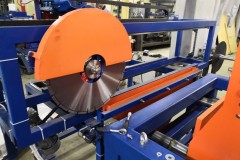
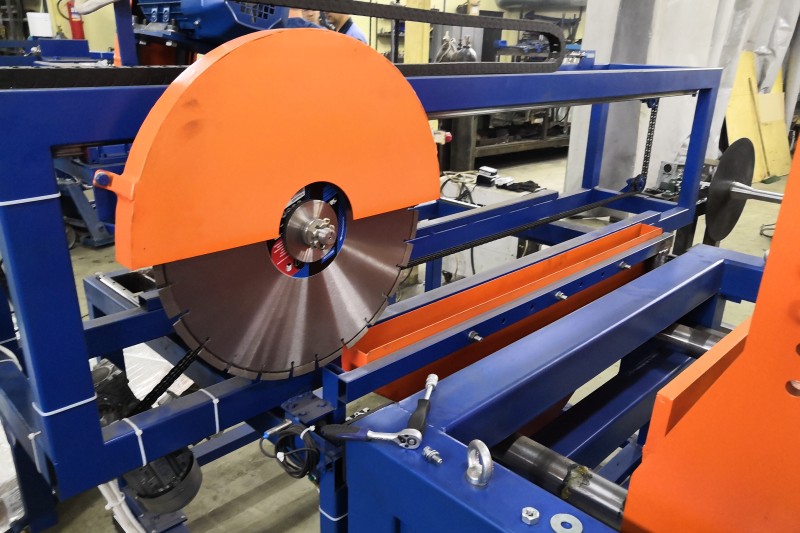
Our fiberglass profile production equipment

Equipment for producing fiberglass profiles

Fiberglass profile production machine

Assembly of equipment for producing plastic profiles

Composite profile production using our equipment

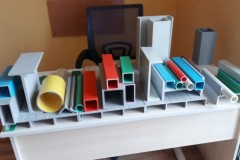
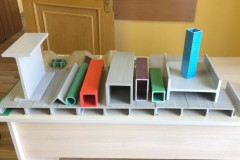
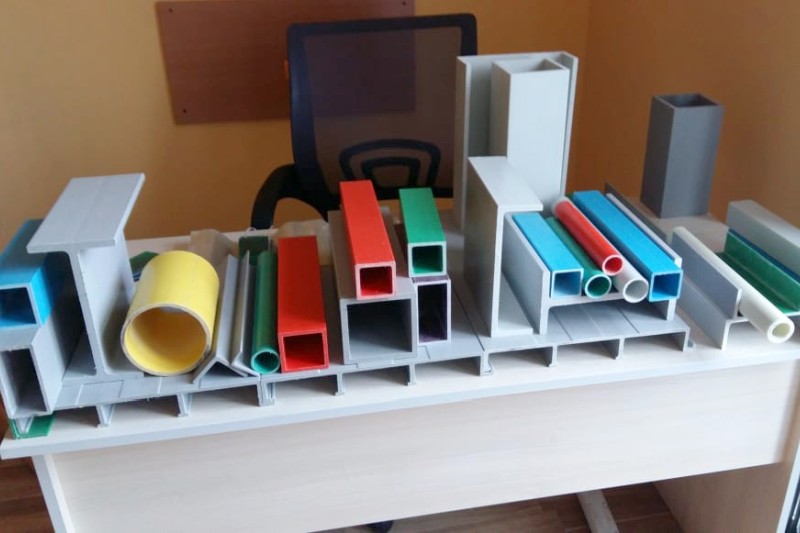
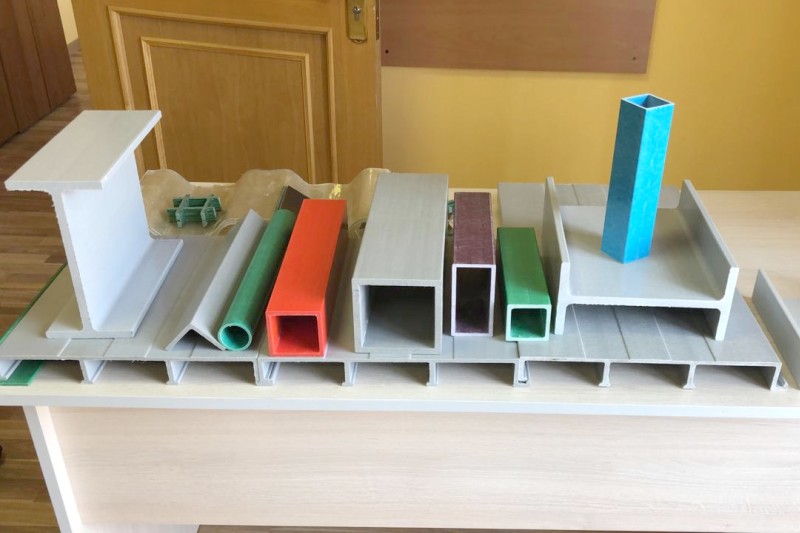
Types of composite profiles produced using our equipment

Examples of profiles manufactured using our equipment

Types of profiles manufactured using our equipment

Fiberglass profiles produced using our equipment

Experimental use of fiberglass profiles

Fiberglass profile production technology

Supplied with the equipment The production technology includes:

  • compound preparation technologies,
  • technologies for manufacturing composite fiberglass profiles according to GOST and TU,
  • certification of your products, laboratory testing and issuance of a certificate confirming that your product complies with GOST.

To produce a high-quality composite fiberglass profile that meets all GOST requirements, it is essential to use a proven and certified technology developed by professionals. Our company has its own laboratory specializing in research and development of composite materials.

The research laboratory at our plant is headed by Pavel Vyacheslavovich Nikolayev.

- He is a Doctor of Chemical Sciences and Professor of the Department of Chemistry and Technology of High-Molecular Compounds at Ivanovo State University of Chemistry and Technology (ИГХТУ).

Pavel Vyacheslavovich describes his work as follows:

Since 1973, my research interests have included epoxy oligomers and composite materials based on them. Since 2012, I have headed the laboratory of the research and production enterprise Ivanovo Mechanical Plant. Building-materials production is a major responsibility: people's health and even lives are at stake, so the technology must be approached with due care.
The laboratory relies on the knowledge and experience I have accumulated over more than 40 years of scientific work. Rebar quality, high productivity, and environmentally responsible production are the laboratory's main areas of technology development.

Learn more about our laboratory on the Our Laboratory page

Our own research laboratory, combined with many years of research experience, ensures that our partners receive a high-quality, certified technology meeting the strictest technical-regulation requirements.

Call us now and we will explain how to produce the highest-quality composite fiberglass profiles.

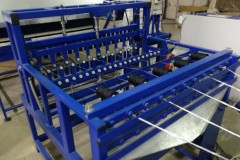
3. GFRP Reinforcing Mesh Production Equipment

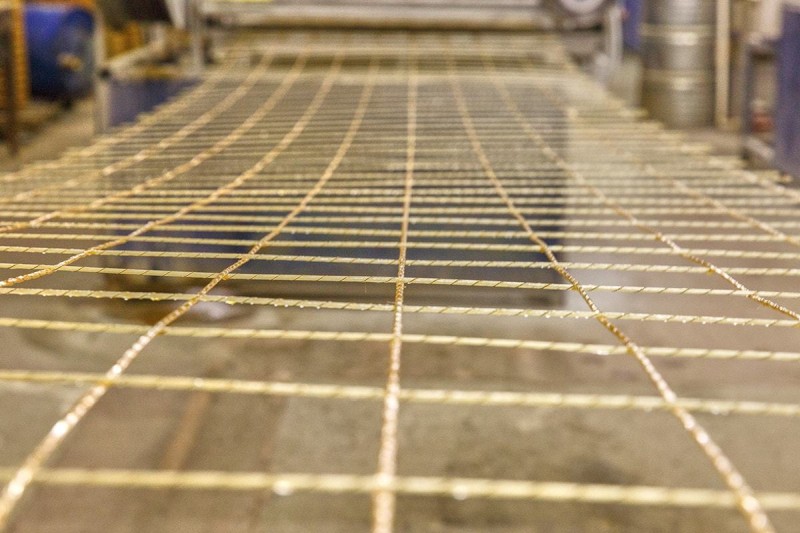
GFRP reinforcing mesh is also widely used in construction. Road construction alone consumes hundreds of thousands of square meters of it. It is also used in the construction of buildings and bridges.

The market requires a range of mesh options, including aperture size, roll width, and winding length. Our equipment allows you to set the required values.

Offer highlights

We manufacture the machines in four configurations, differing in line width and maximum bar diameter:

  • СПС-1-4 — 1 m line width, bar diameter up to 4 mm.
  • СПС-2-4 — 2 m line width, bar diameter up to 4 mm.
  • СПС-1-8 — 1 m line width, bar diameter up to 8 mm.
  • СПС-2-8 — 2 m line width, bar diameter up to 8 mm.

A 1 m line can produce mesh of any width from 0.5 to 1 m; a 2 m line can produce mesh from 0.5 to 2 m.

By changing the line settings, the mesh aperture can be varied from 50 to 200 mm in any combination.

The equipment design also differs depending on the way the bars are interwoven in the mesh:

  • Carpet weave (transverse bars alternately wrap around the longitudinal bars).
  • Twisted weave (transverse bars pass through the longitudinal bars).

The second mesh-weaving option gives the mesh additional strength; this modification costs an extra RUB 300,000.
TURNKEY BUSINESS

FROM 1 950 000 RUB

profitability from 90%

payback from 1 month

staff: 1–2 people

Download the business plan

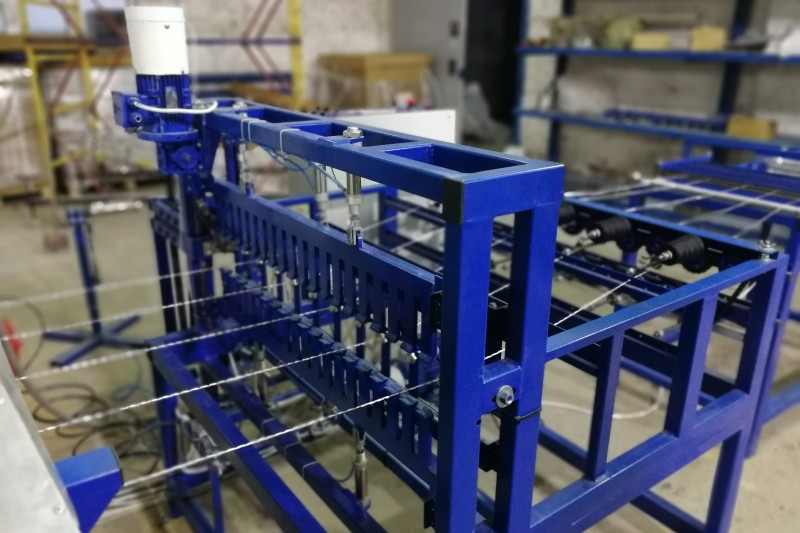
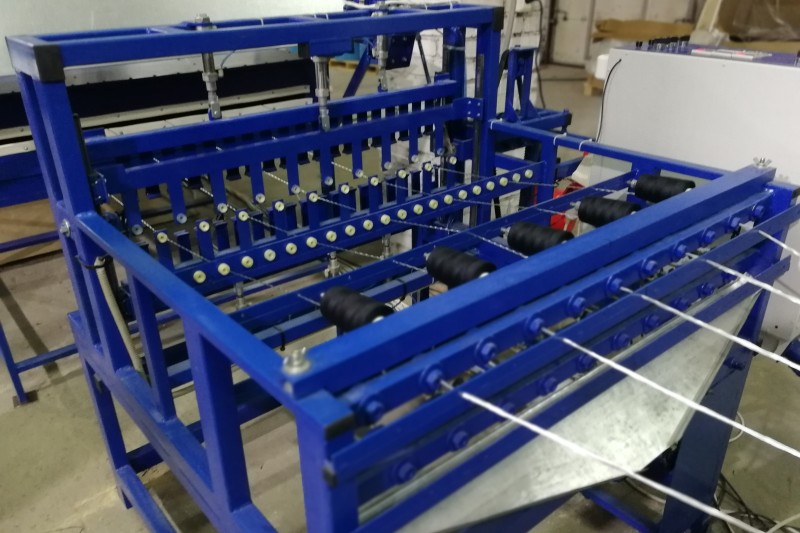
Equipment configuration for GFRP reinforcing mesh production

SPS-1/SPS-2 lines

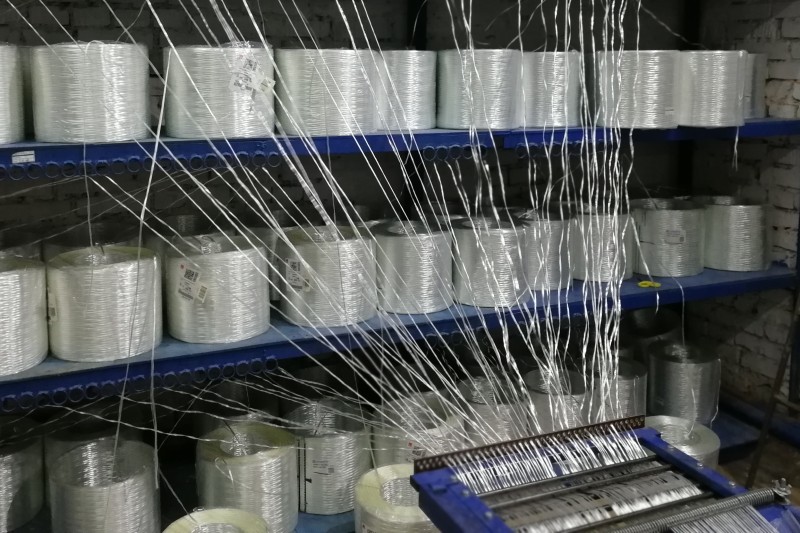
  1. Roving storage rack
  2. Impregnation chamber
  3. Die frame
  4. Pulling unit
  5. Cutting mechanism
  6. Folding rack
  7. Electronic control system
  8. Hydraulic system

SPS-1 line specification

SPS-2 line specification

Our equipment for GFRP reinforcing mesh production

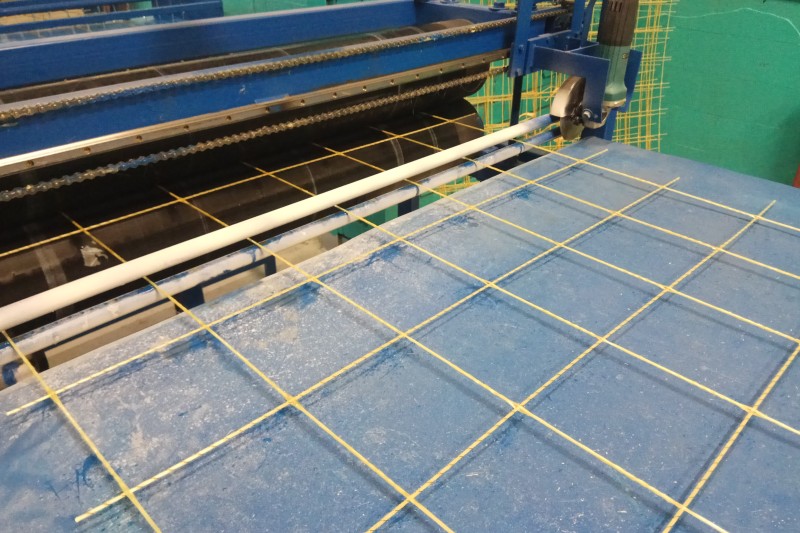
Equipment for GFRP mesh production

Machine for GFRP mesh production

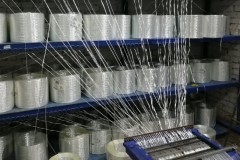
Fibers used to produce GFRP mesh

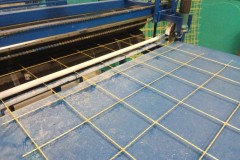
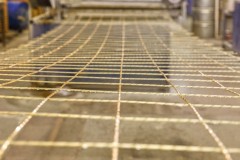
GFRP mesh production on our equipment

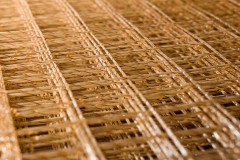
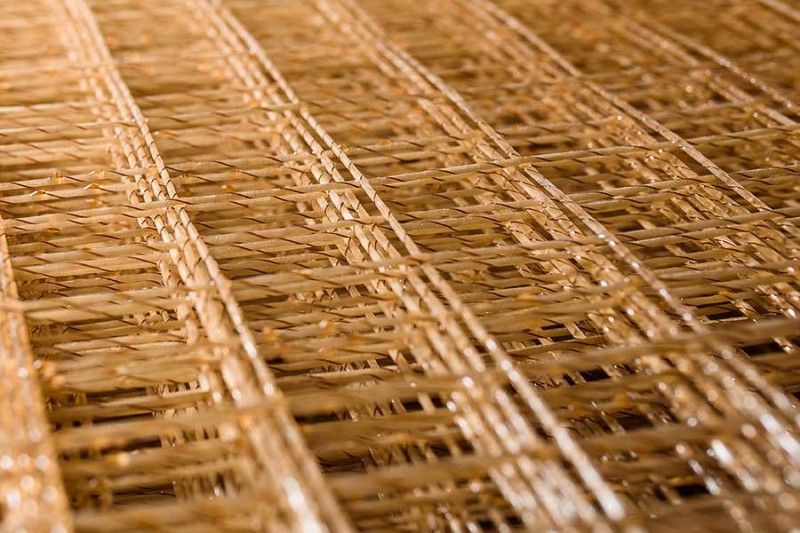
Types of GFRP mesh produced on our equipment

GFRP mesh in various diameters

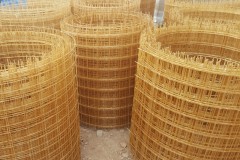
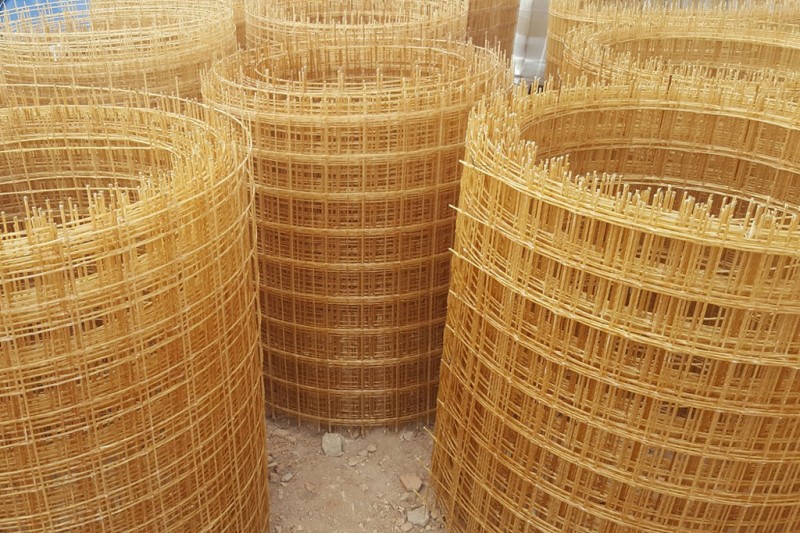
GFRP mesh wound into rolls

GFRP mesh production on our equipment

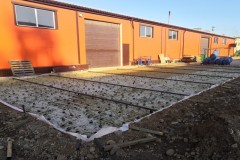
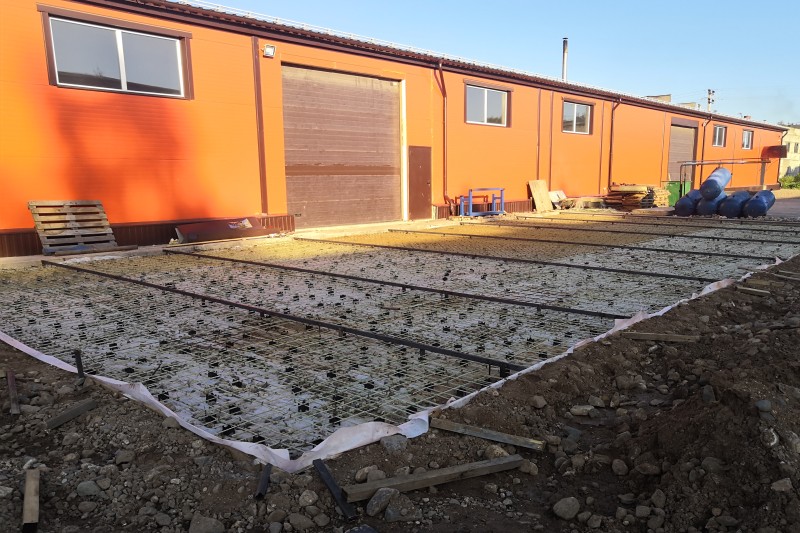
Foundation of our plant made with GFRP mesh

GFRP reinforcing mesh production technology

The production technology supplied with the equipment includes:

  • compound preparation technology,
  • GFRP mesh manufacturing technology in accordance with GOST standards and technical specifications (TU),
  • certification of your products, laboratory testing and transfer of a certificate of conformity confirming that your product meets GOST requirements.

Producing high-quality mesh that meets all GOST requirements depends on using proven, certified technology developed by professionals. Our company has its own laboratory specialising in composite-materials research and development.

Our scientific laboratory is headed by Pavel Nikolaev.

— Doctor of Chemical Sciences and professor at the Department of Chemistry and Technology of High-Molecular Compounds at Ivanovo State University of Chemistry and Technology (ISUCT).

This is how Pavel Nikolaev describes it:

Since 1973, my scientific interests have focused on epoxy oligomers and composite materials based on them. Since 2012, I have headed the laboratory of the research and production company “Ivanovo Mechanical Plant”. Building-material production is a major responsibility: people’s health and even lives are at stake, so technology must never be treated carelessly.
Running the laboratory required applying the knowledge and experience I had accumulated over more than 40 years of scientific work. Rebar quality, high output and environmentally responsible production are the laboratory’s main technology-development priorities.

Learn more about our laboratory on the page — Our laboratory

Our own scientific laboratory, combined with many years of research experience, ensures that our partners receive high-quality, certified technology that meets the strictest technical-regulation requirements.

Call us now and we will explain how to produce high-quality GFRP reinforcing mesh.

4. Equipment for producing composite GFRP grating

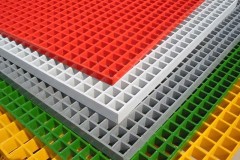
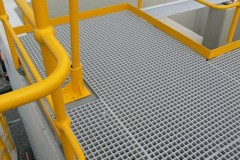
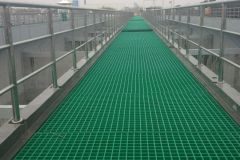
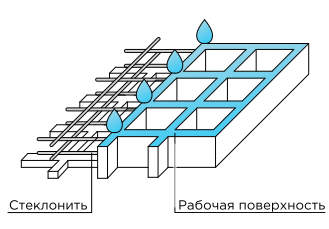
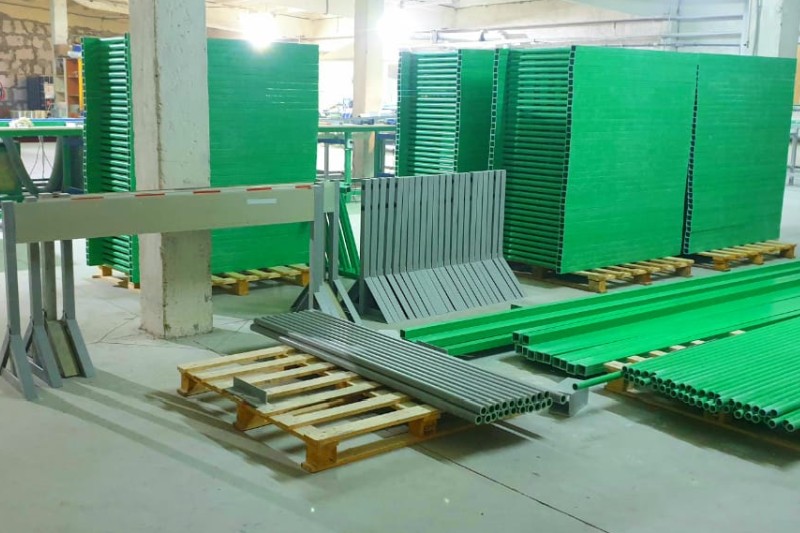
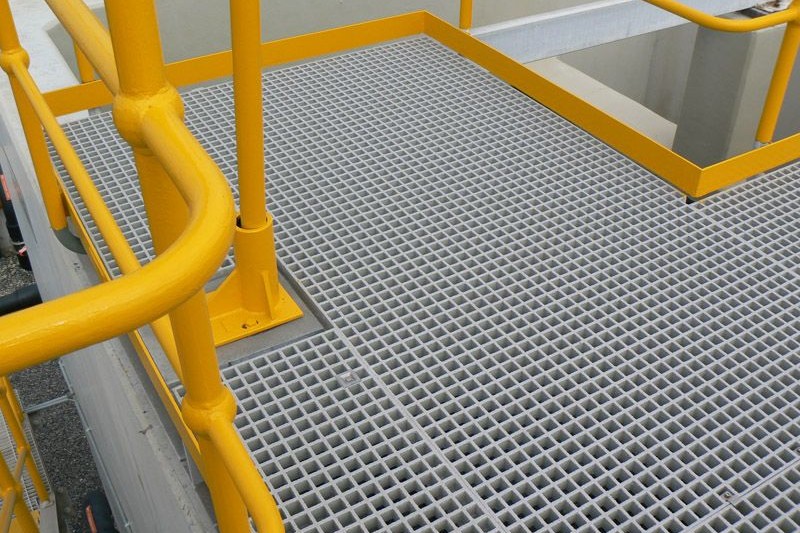
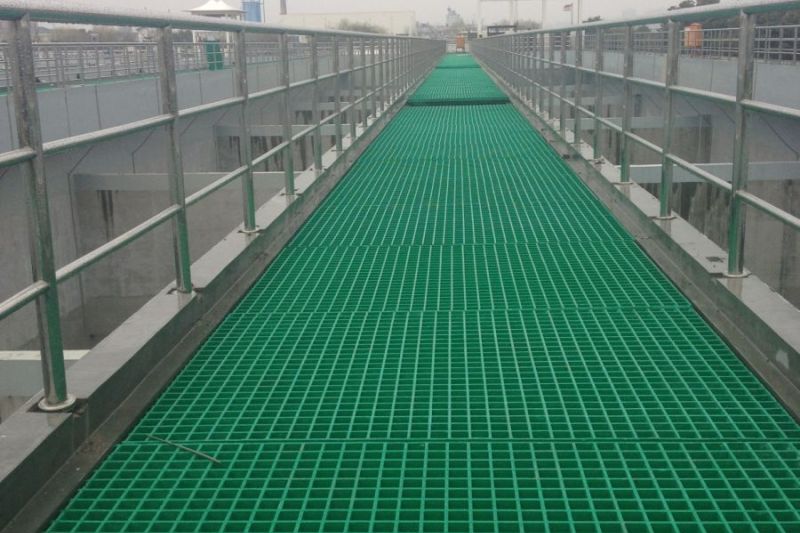
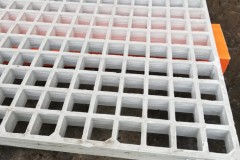
GFRP grating is a highly durable grid that resists moisture, chemical exposure, and extremely low or high temperatures. It is used by car washes, water centers, water parks, industrial facilities, and stair manufacturers.

The standard size of the finished plastic grating is 1200 x 3600 x 38 mm, with a 30 x 30 mm mesh spacing. Profiled GRP grating is a lightweight, durable, highly strong, and cost-effective modern building material. The technology produces GFRP grating with smooth or concave surfaces, sand-coated ribs, and smooth or textured closed surfaces with a grit finish for improved slip resistance.

TURNKEY BUSINESS

FROM 2 800 000 RUB

profitability from 90%

payback period from 2 months

staff 2 people

download the business plan

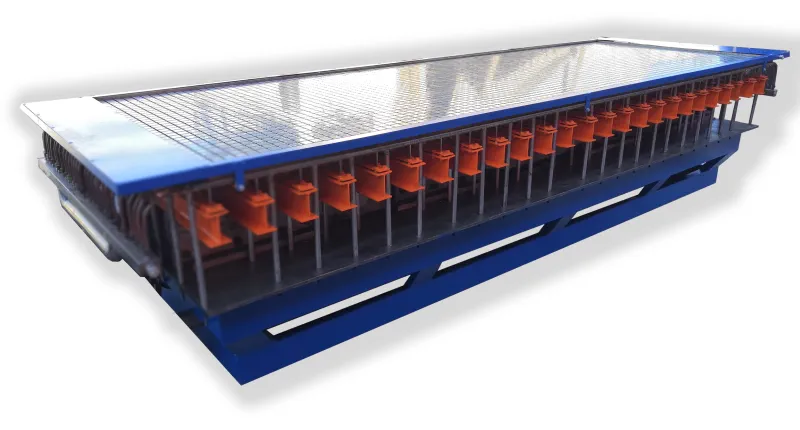
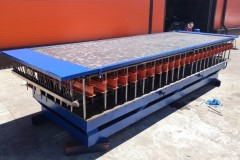
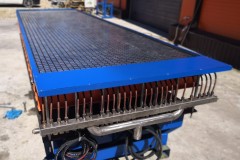
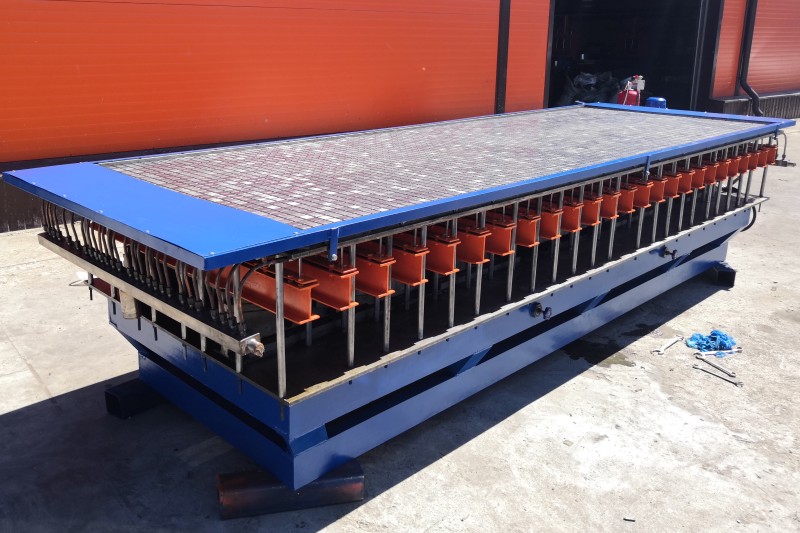
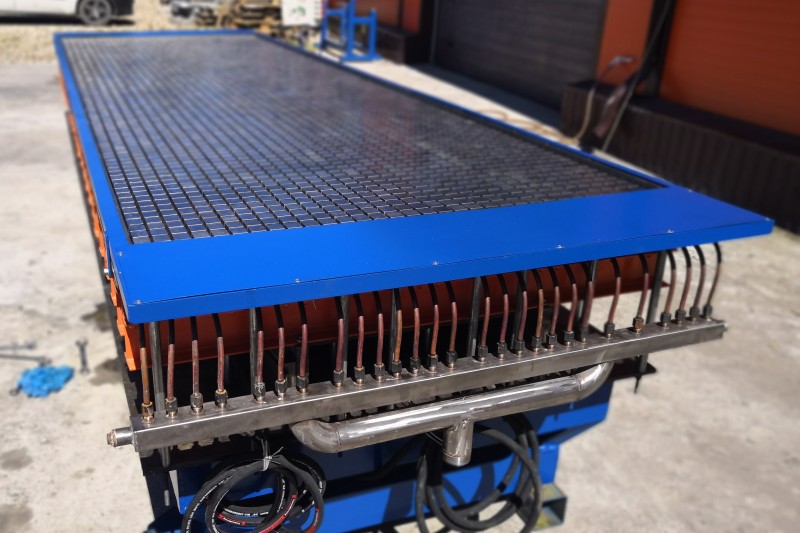
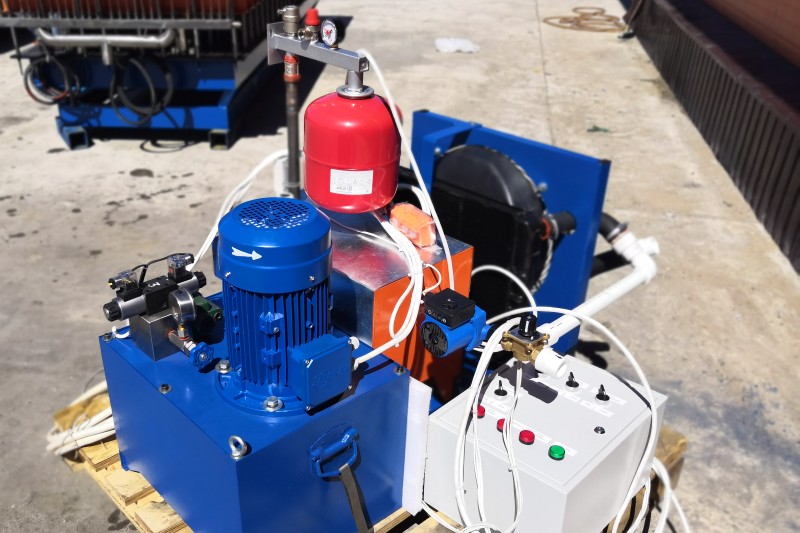
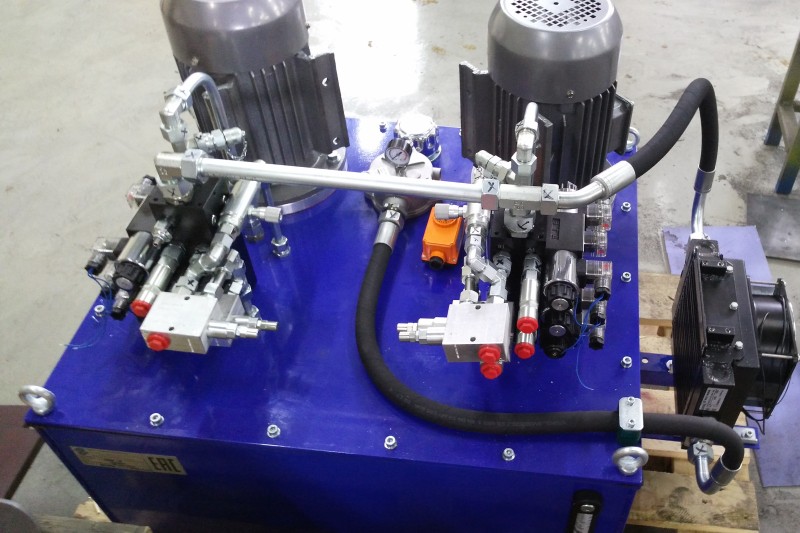
Molding table for producing composite FRP grating

Line configuration

  1. Creel
  2. Molding table
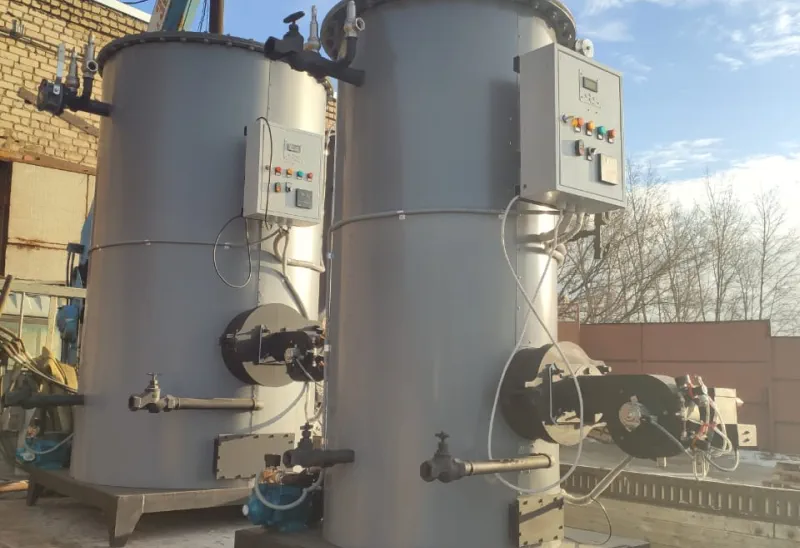
  3. Heat-transfer fluid heating boiler
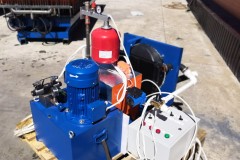
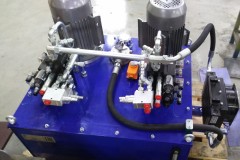
  4. Hydraulic system
  5. Control cabinet
  6. Folding rack
  7. Electronic control system
  8. Hydraulic system

View the specification

Our equipment for producing profiled FRP/GRP grating

Table for FRP/GRP grating production

Molding table for FRP/GRP grating production

Equipment component for FRP/GRP grating production

Equipment module for FRP/GRP grating production

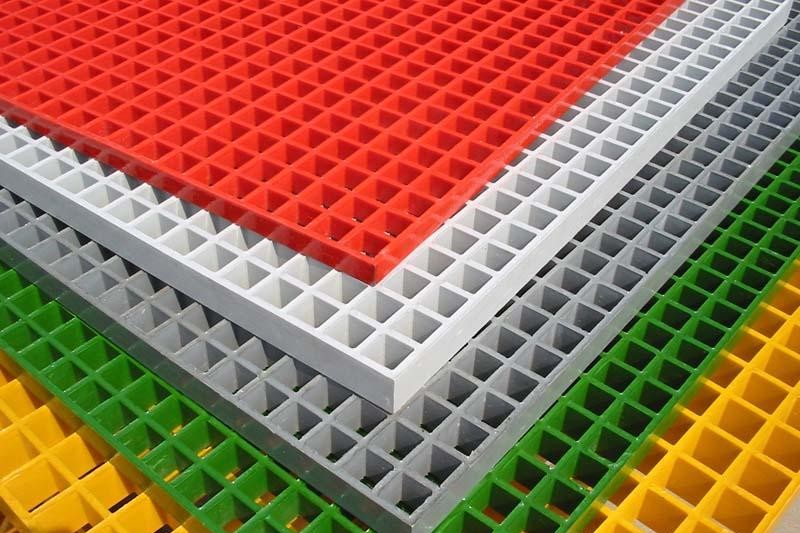
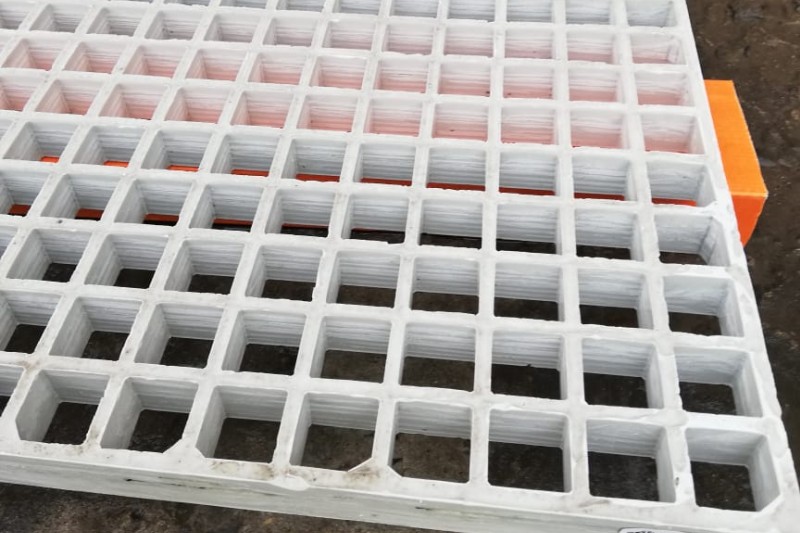
Types of FRP grating produced on our equipment

Examples of FRP/GRP grating

FRP grating manufactured by us

Applications of FRP/GRP grating

Applications of FRP/GRP grating

FRP grating production technology

Manufacturing FRP grating is not a complex process, but the technology must be followed to achieve a high-quality result. We provide the technology for producing composite grating and detailed operator training free of charge. This enables you to produce a high-quality product ready for sale from the first days of operation.

Production technology fundamentals

The primary material used to manufacture FRP grating is fiberglass, which serves as the main reinforcing material. The second component is plastic. This may be phenolic resin, one of two types of polyester resin, or vinyl ester resin.

At the first stage, fiberglass is placed into the prepared mold on the molding table to give the product strength and reliability. At the second stage, polymer is poured into the mold. Dyes can be used to give the polymer any color. An additional production step may be the application of quartz sand to the mold surface to give the FRP grating a slip-resistant finish.

Main stages of composite grating production

  • Layer-by-layer placement of roving
  • Filling with compound and filler
  • Heating with a thermal jacket to 80 °C
  • Cooling
  • Removal of the finished product

Call us now and we will explain how to produce high-quality FRP grating.

5. EPS foam production equipment

A complete equipment package for EPS foam production, cutting and recycling.

The main consumers of EPS foam are businesses from various sectors, especially:

  • construction, where EPS foam is used for formwork in cast-in-place concrete construction and for facade insulation;
  • the energy sector, which uses EPS foam materials for pipe insulation;
  • the manufacture of various goods, where it is used for packaging, filler material and other purposes.

There are also other customers who purchase smaller volumes but can still generate good returns for an EPS foam manufacturer.

The equipment package is selected individually for each customer.

Key features of the offer

  • All machines are automated, making the production process straightforward. The line can be operated by a team of just three people.
  • EPS foam production can be both a core business and a profitable investment for generating passive income. Sign a turnkey business agreement with us and we will handle every aspect, from equipment installation to product sales.

TURNKEY BUSINESS

FROM 2 950 000 RUB

profitability up to 50%

payback period from 3 months

staff 3 people

Download the business plan

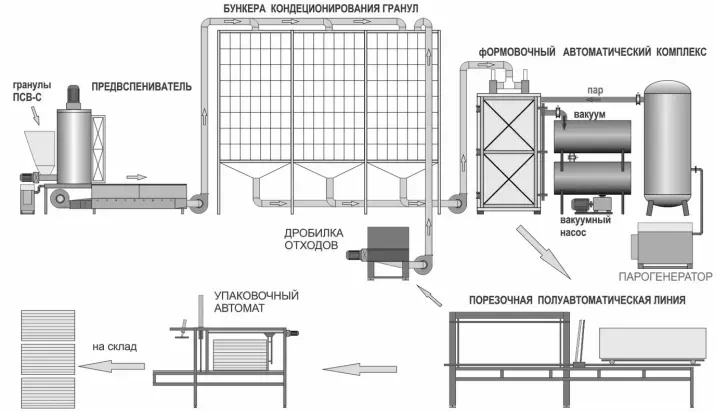
EPS foam production line configuration

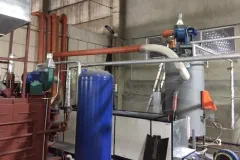
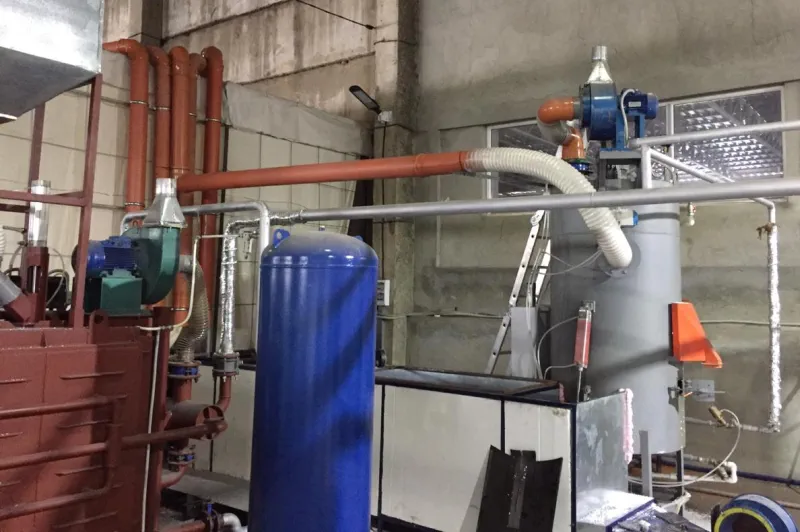
EPS foam production line

  1. RM-04 steam system
  2. PV-Ts-1.0 pre-expander
  3. Secondary foaming unit
  4. Receiving hopper
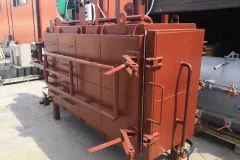
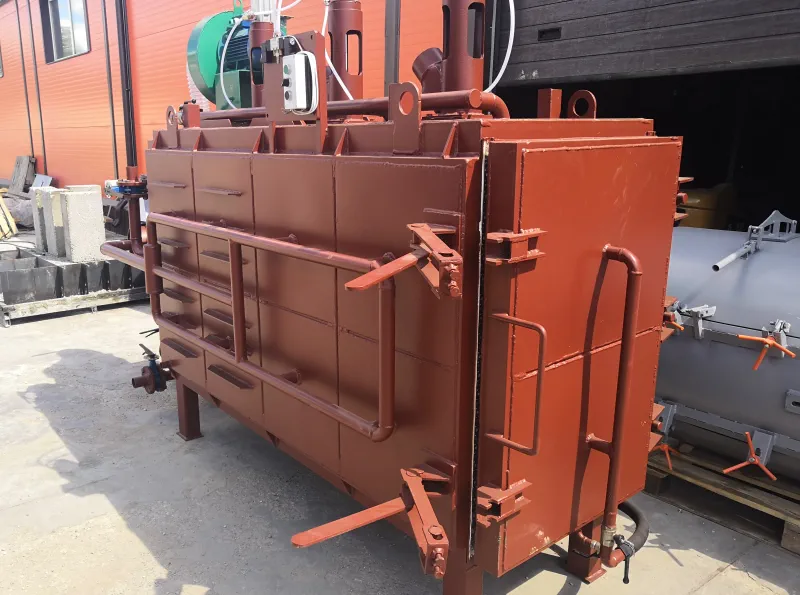
  5. Mold block
  6. Steam accumulator
  7. Waste crusher with automatic packer
  8. EPS foam cutting table

View specifications

Our EPS foam production equipment

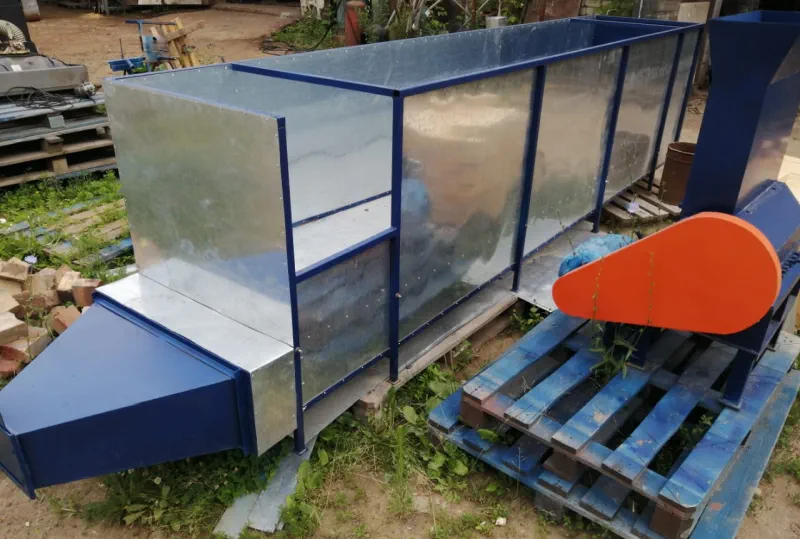
Pre-expander for EPS foam production (expanded polystyrene)

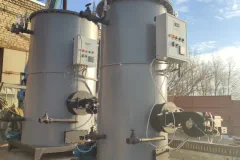
Steam generator for EPS foam production

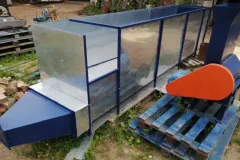
Pre-expander for EPS foam production

EPS foam production line

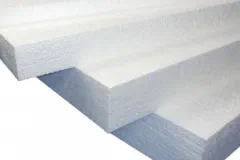
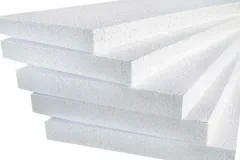
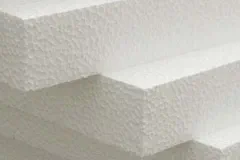
Types of EPS foam manufactured on our equipment

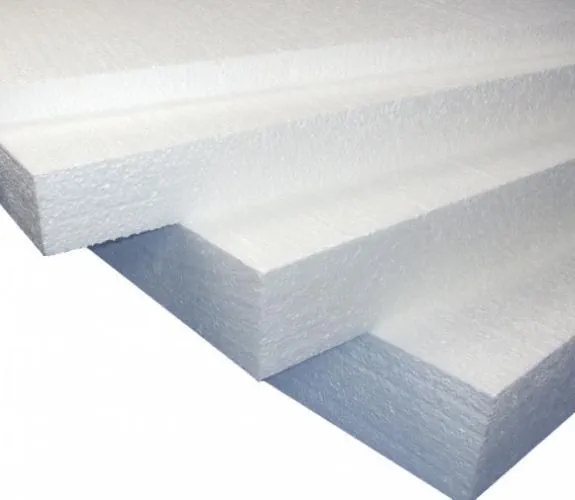
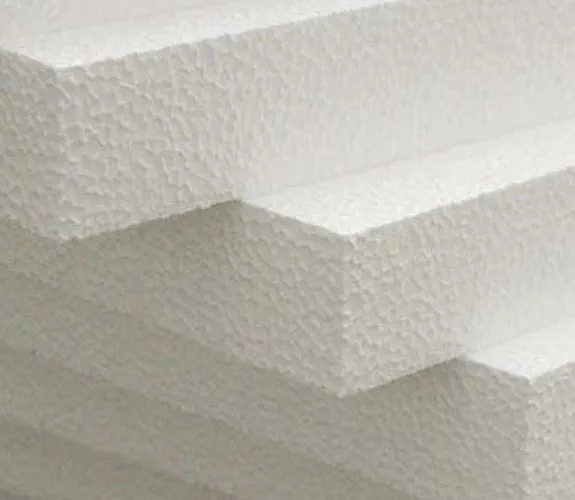
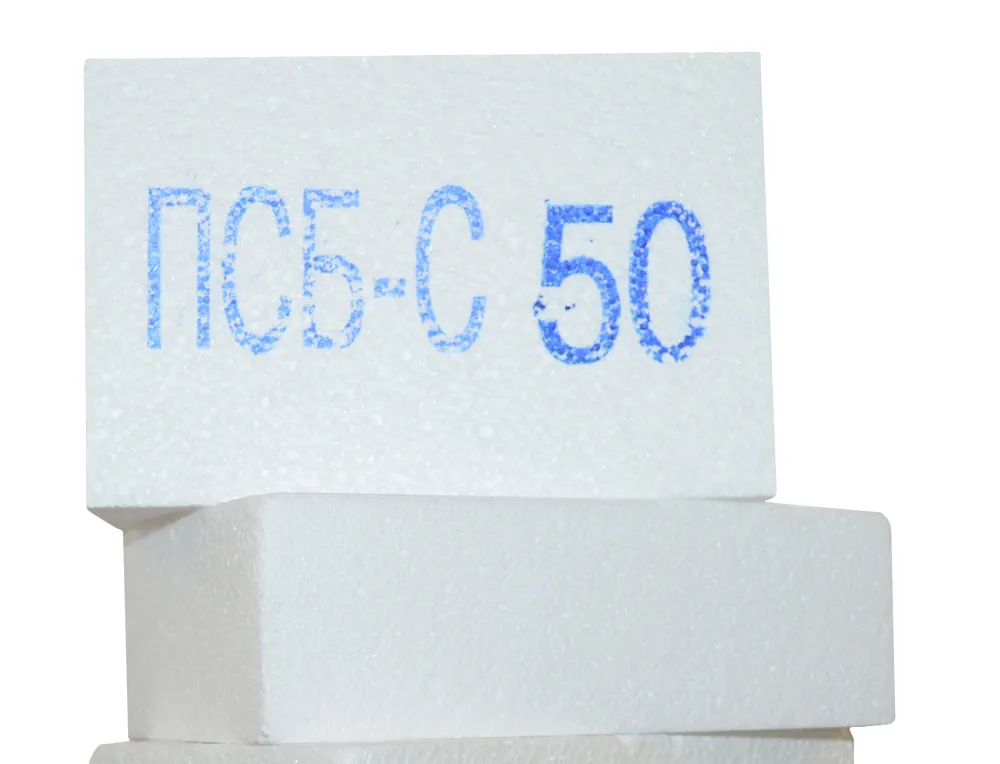
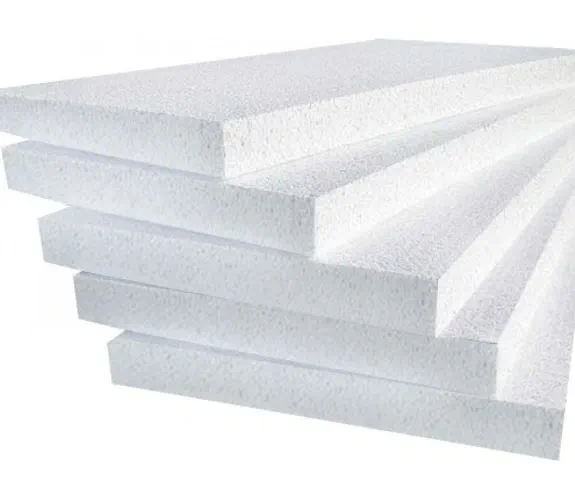
PSB-C 25 EPS foam in various thicknesses

PSB-C 25FK EPS foam in various thicknesses

PSB-C 35 EPS foam in various thicknesses

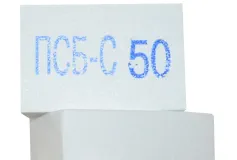
PSB-C 50 EPS foam in various thicknesses

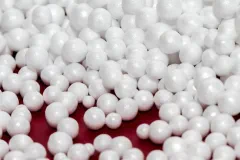
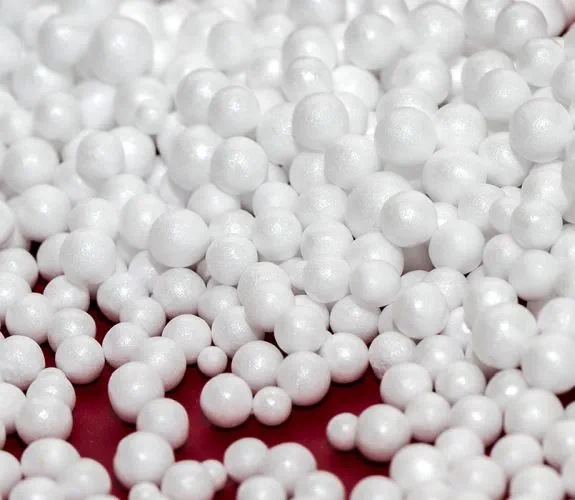
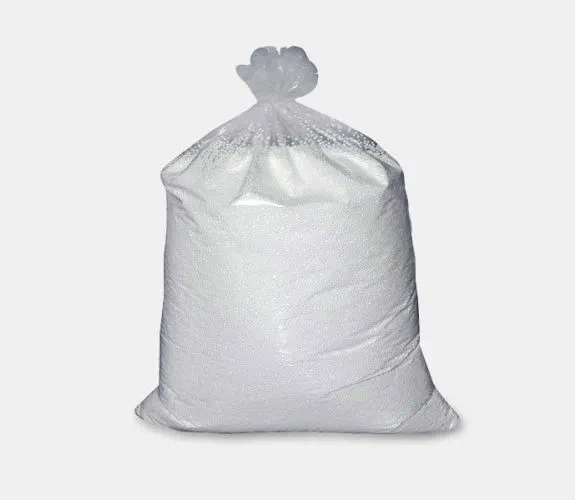
EPS foam granules

Politerm

EPS foam production technology

The production technology supplied with the equipment includes:

  • EPS foam manufacturing technologies in accordance with GOST and technical specifications;
  • product certification, laboratory testing and issuance of a certificate confirming compliance with GOST.

EPS foam manufacturing process

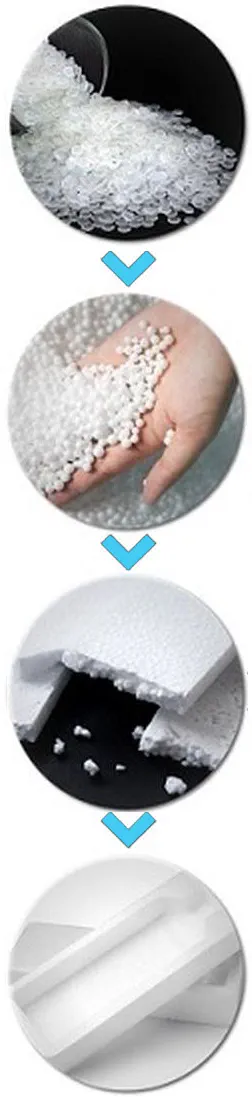
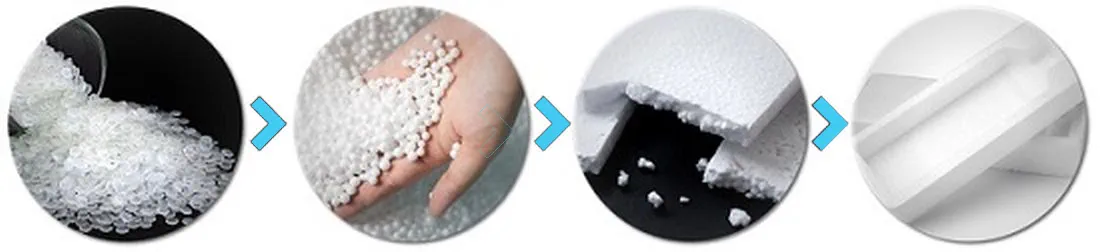
  1. Pre-expansion. During initial expansion, the granules are treated with steam at a temperature of up to 95 °C, which must not be exceeded. Heating expands the granules and significantly reduces their density. If the initial density is about 140 kg/m3, it reaches about 60 kg/m3 after the first seconds of treatment and 18–35 kg/m3 after five minutes.
  2. Secondary expansion. If the process requires a density above 18 kg/m3, only pre-expansion is used. If a lower density is required, secondary or tertiary expansion is used. With each subsequent cycle, density decreases and the thermal insulation and other properties of the EPS foam deteriorate.
  3. Drying. After each expansion process, the granules are wet and must be dried. Drying is performed by supplying air heated to 45 °C. Fans circulate the air freely inside the hopper and dry the granules evenly.
  4. Conditioning. This stage stabilizes the pressure inside the granules; they become saturated with oxygen and are dried completely.
  5. Product forming. The dried raw material is fed into a molding unit and heated with steam, which causes the polystyrene granules to bond together. The mass remains in the mold for up to 180 seconds under steam pressure of up to 1.5 kg/cm3. The formed block then cools for 40 minutes and is conditioned for 24 hours.
  6. EPS foam cutting. Finished foam blocks are sent to a fully automated cutting mechanism, providing high precision.
  7. EPS foam packaging. This final stage is followed by transfer to the finished-product warehouse and shipment to the customer in the required quantity.

Call us now at 8 (800) 550-39-50 and we will tell you how to produce high-quality EPS foam (polystyrene).

6. Fiber production equipment

Complete equipment package for fiber production, cutting and shredding glass fiber or any textile waste.

Glass-fiber or textile fiber is a durable, high-quality reinforcement for concrete. It gives products exceptional strength and crack resistance. It was selected because it is not sensitive to environmental conditions or humidity levels.

Technical specifications of the fiber production machine

  • Cutting length / adjustable: 1-100 mm
  • Dimensions: 1300 × 900 × 1300 mm
  • Effective cutting length: 220 mm
  • Cutting thickness: 5- 40 mm
  • Control unit
  • Power: 4kW
  • Staff 1 operator

Glass-fiber diameter / hourly output:

  • 1cm / 70-100kg
  • 3-5cm / 140-200kg
  • 5-7cm / 350-400kg
  • 7-10cm / 400-600kg

FIBER PRODUCTION MACHINE

from 550 000 RUB

Profitability: up to 85%

Payback period: from 2 months

Staff: 1 operator

Submit an inquiry

Length, width, height - 1300 × 900 × 1300 mm.

A 3 × 3 m room is sufficient to install the fiber production machine.

Supply voltage: 380 V
Power consumption: 4 kWh

The machine is highly energy-efficient.

diameter 1cm - 70-100kg/h
diameter 3-5cm - 140-200kg/h
diameter 5-7cm - 350-400kg/h
diameter 7-10cm - 400-600kg/h

Monthly fiber output on one shift: up to 125 tonnes

Adjustable cutting length: 1-100 mm.
Effective cutting length: 220 mm.
Cutting thickness: 5- 40 mm.

See the technical documentation for more information about length adjustment.

One operator is sufficient to operate the line.

Our specialists provide operator training.
The machine is supplied with complete technical documentation.

Equipment warranty: 3 years.
Warranty and post-warranty service.

The equipment has produced 3,000,000 linear metres of finished product. It is reliable, with a proven service life of 10 years without major overhaul.

Want to buy a fiber production machine? Just write to us

Benefits of working with us

All the equipment described above is custom-made for each customer. Customers can choose the required configuration, which affects the project cost and the range of products manufactured.

We deliver and install the machines ourselves and train the customer personnel. These services are already included in the price stated in the commercial offer.

In addition, each customer can sign agreements with us for the supply of raw materials and the purchase of products by our company. This ready-made business requires minimal involvement from its owner.

To discuss the details and receive a commercial offer, please contact our company manager.