

up to 0 %
As experience shows, combining different components often produces unexpectedly good results. This is how glass, epoxy resin and other materials were developed—materials that are now difficult to imagine the modern world without. Polymer-sand composite is no exception.
History has not preserved the name of the person who first replaced cement in concrete with polymer, but the result was successful. The properties of one material complemented those of another, opening up broad opportunities for using polymer-sand composite in various fields.
Practical Applications
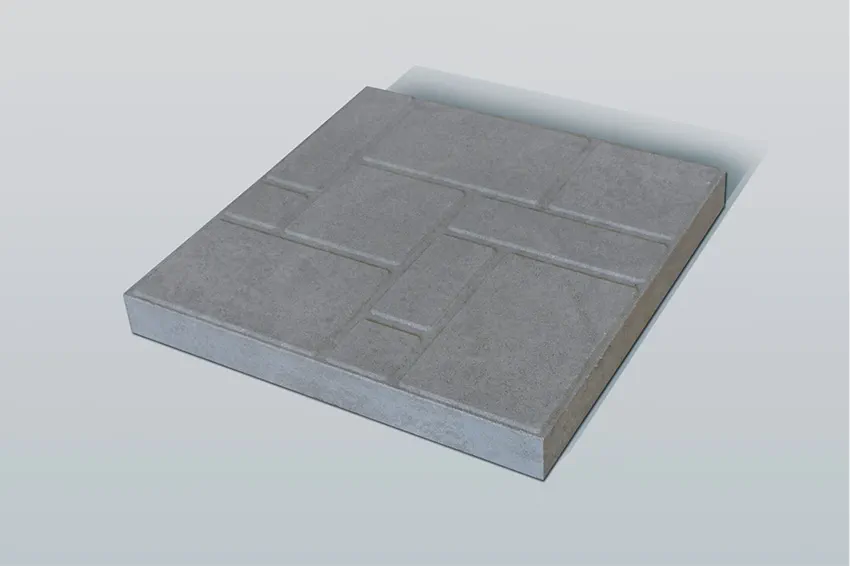
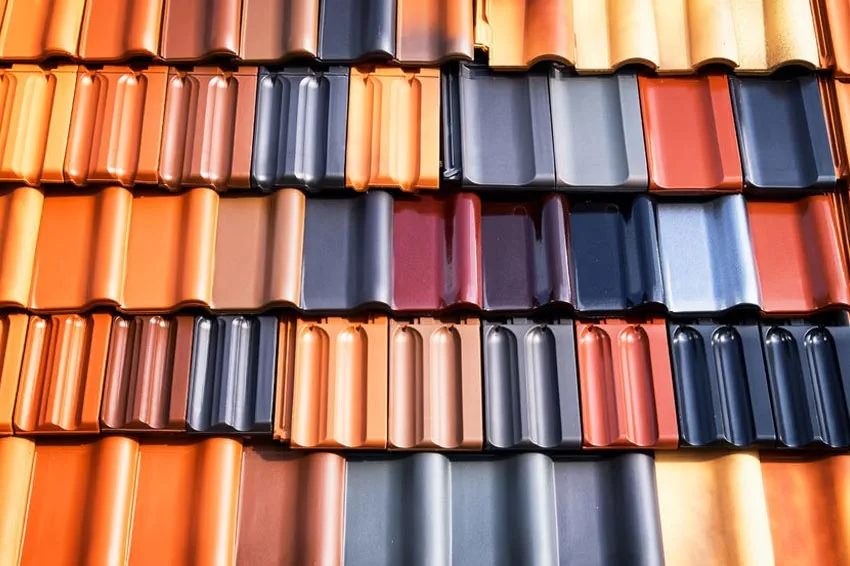
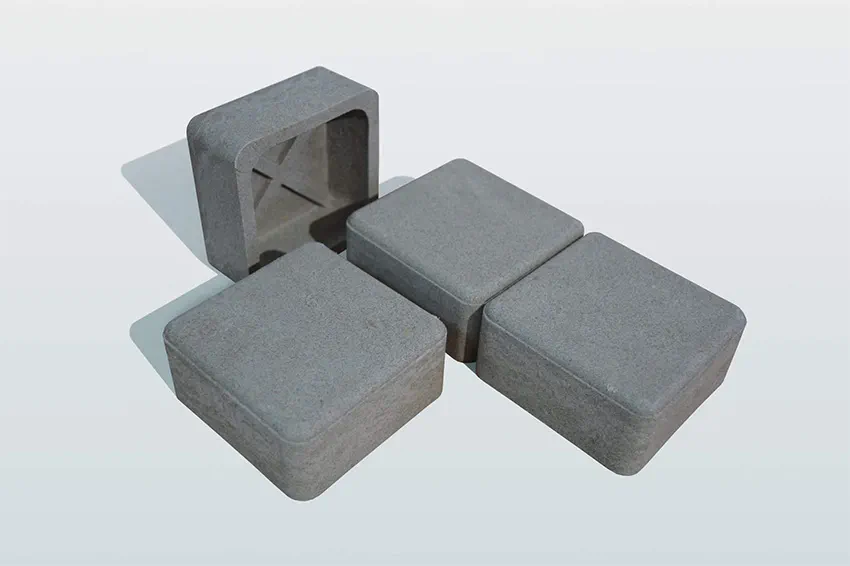
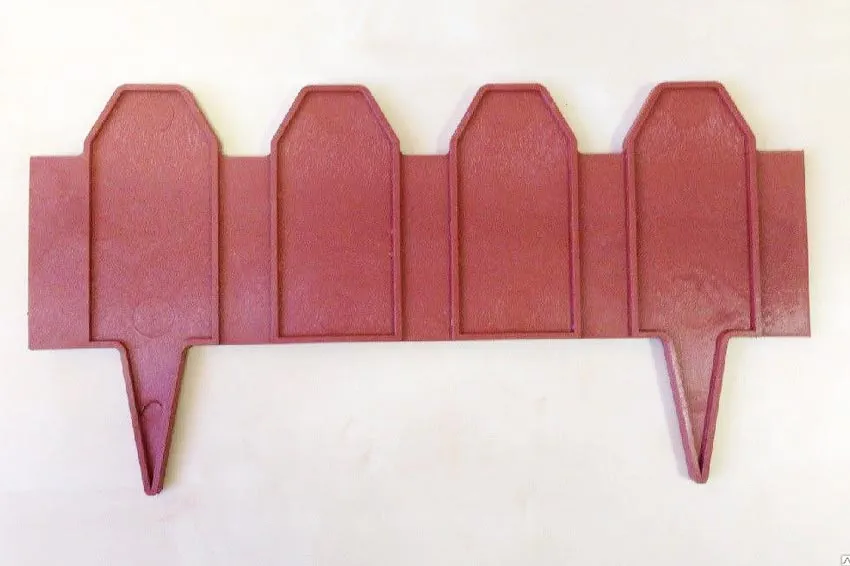
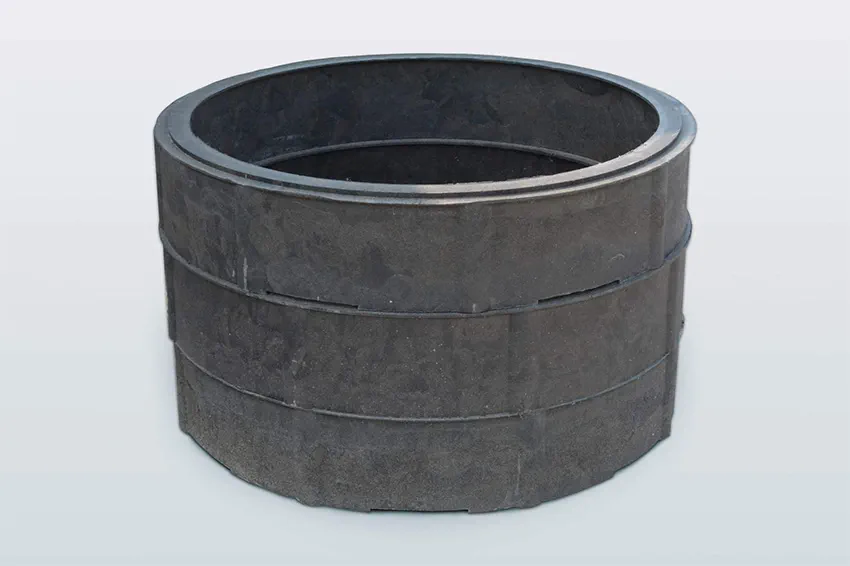
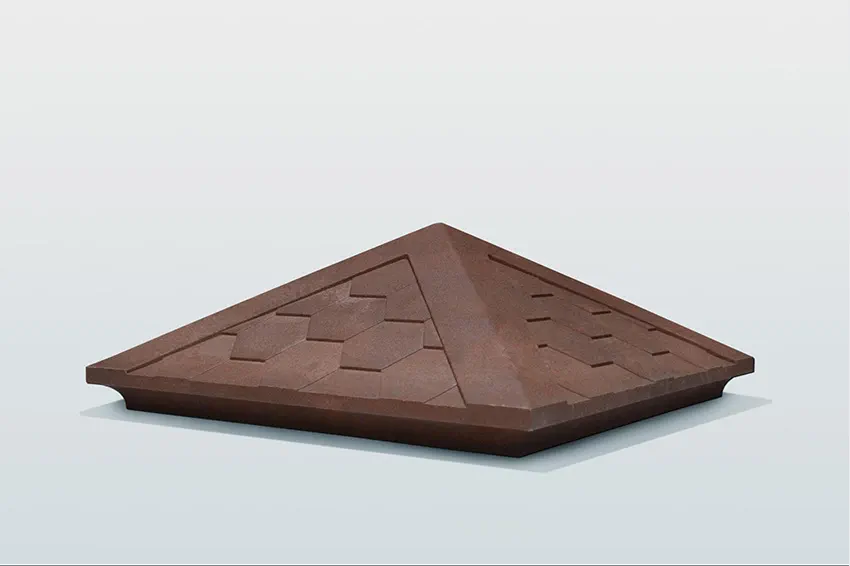
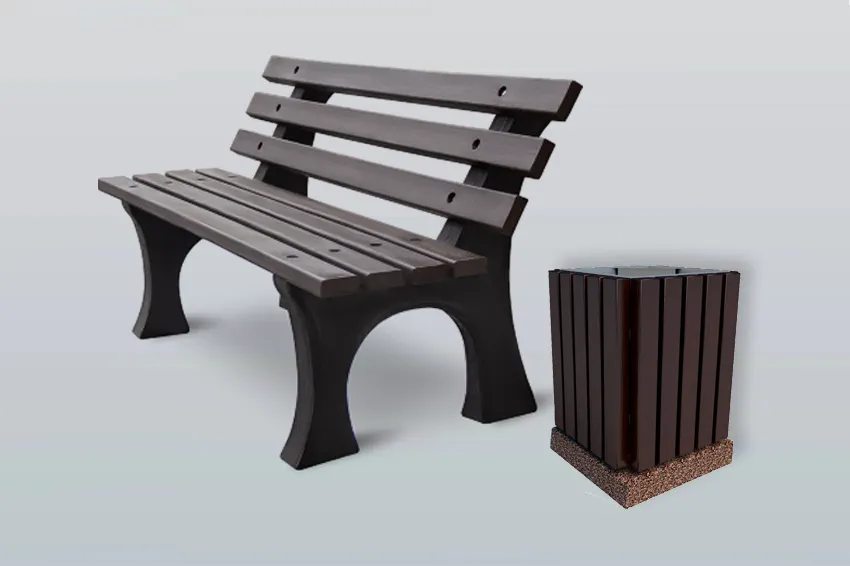
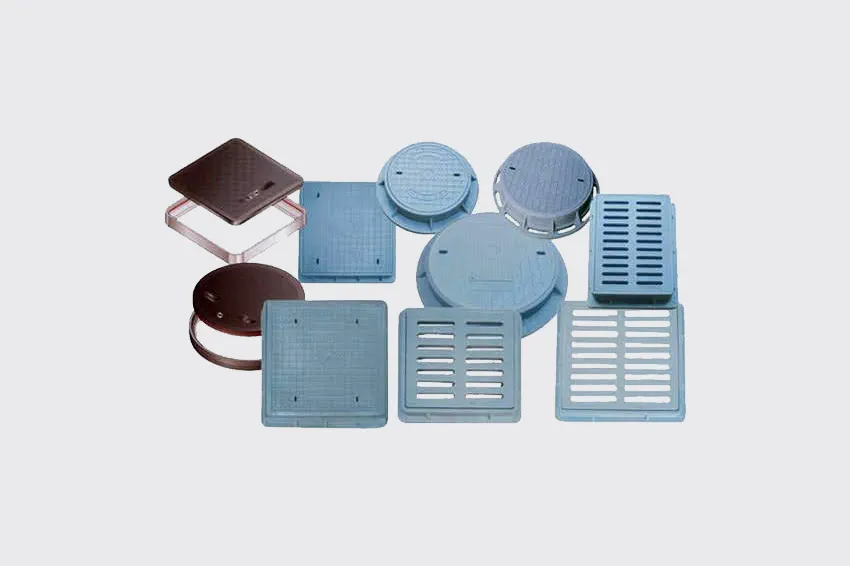
The material consists of 75% sand, 25% polymer binder and a small amount of pigment. Today it is used to manufacture paving slabs, sewer manhole covers, roofing tiles, curbs, trays, drainage channels, irrigation systems, parapets, fence posts and many other products.
One of the material's important advantages is its simple manufacturing process. Dry sand and the polymer mixture are loaded into a hopper and mixed until homogeneous, with pigment added if necessary. The mixture then enters a melting furnace, where the polymer becomes liquid. At a temperature of 240–250 °C, the mixture turns into a soft, dough-like mass. The semi-finished product is fed into molds, where finished products are formed under a pressure of 100 tons. The composition and technology are simple, but the properties of polymer-sand composite differ from those of traditional materials.
Advantages of the sand composite:
- long service life. The exact service life is not yet known because the material has only been used recently. It is estimated to be at least 50 years;
- strength and impact resistance. Unlike concrete and cement products, the composite does not break or split when dropped;
- biological resistance. It contains no components susceptible to mold, fungi or other microorganisms;
- weather resistance. Products withstand temperature fluctuations and high humidity without cracking;
- chemical resistance. The material is resistant to acids, alkalis, petroleum products and de-icing agents;
- wear resistance. The composite surface does not wear away even under high loads;
- environmental safety. Manufacturing and using the products produces no dust or harmful emissions;
- color retention. The appearance is preserved throughout the service life;
- low weight. Polymer is lighter than cement, so finished products weigh less than their concrete, cement or metal counterparts;
- reusability after dismantling and reinstallation.
Products made of polymer-sand composite do not attract scrap-metal collectors, unlike metal manhole covers or pipes, for example.
Low weight is especially important when manufacturing roofing tiles because it reduces the load on the roof truss system. Polymer-composite roofing is non-conductive, easy to install and, if necessary, can be cut with an ordinary hacksaw and fastened with self-tapping screws.