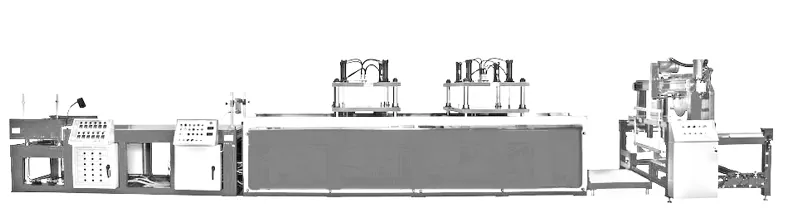
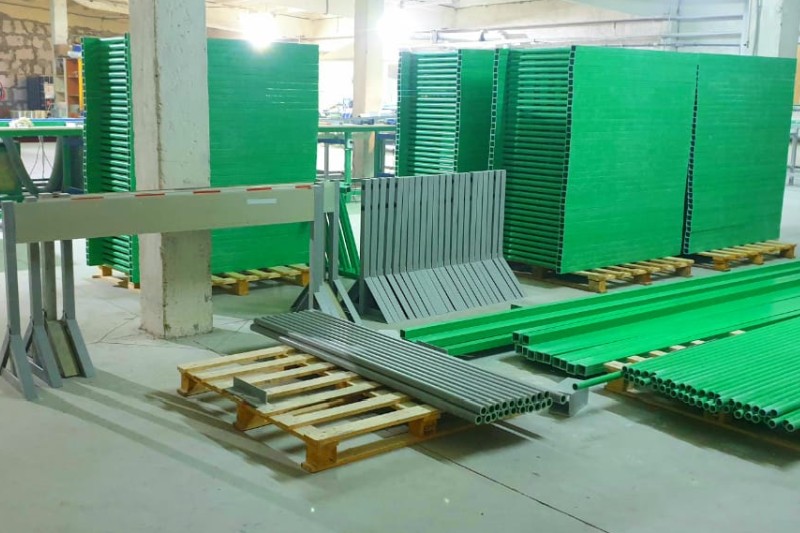
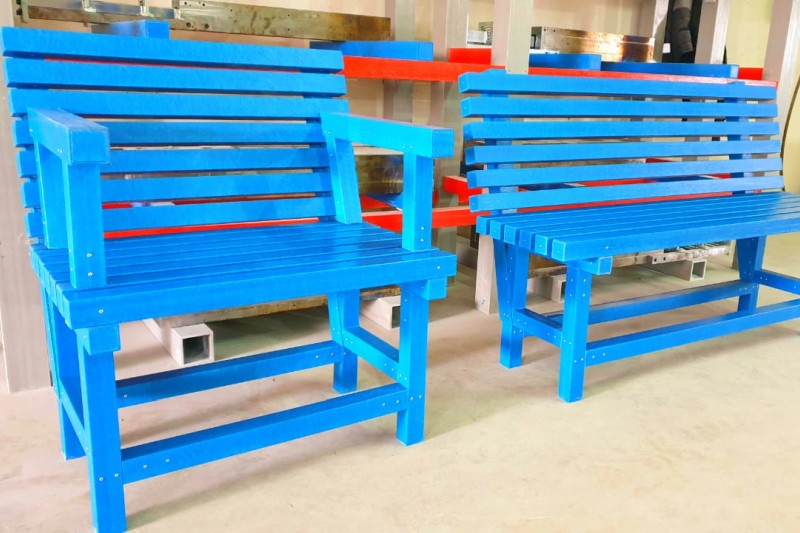
Profile-production methods are quite diverse. The method is selected according to the intended use of the finished product. Profile production is similar to pipe production, but there are important differences: profiles have a complex cross-sectional geometry that must be considered in the production cycle.
Types of profiles
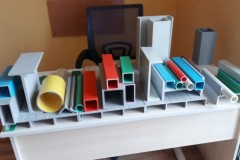
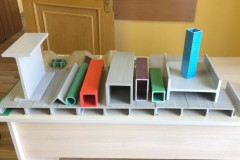
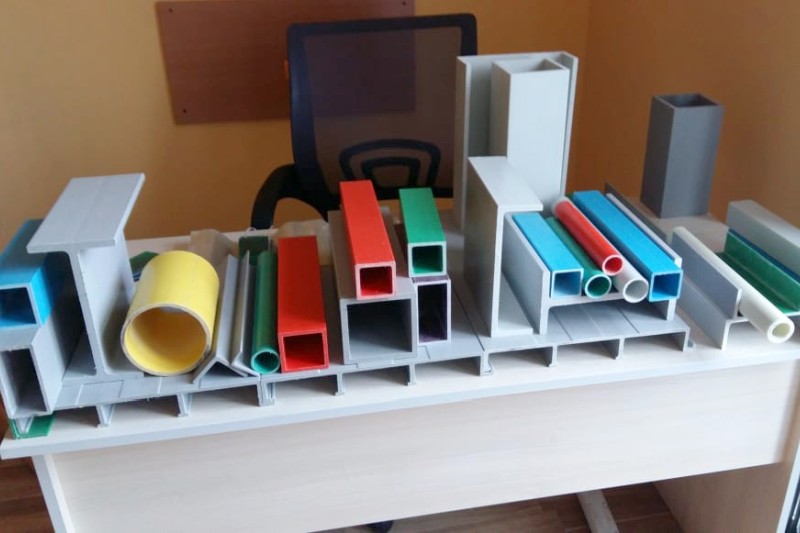
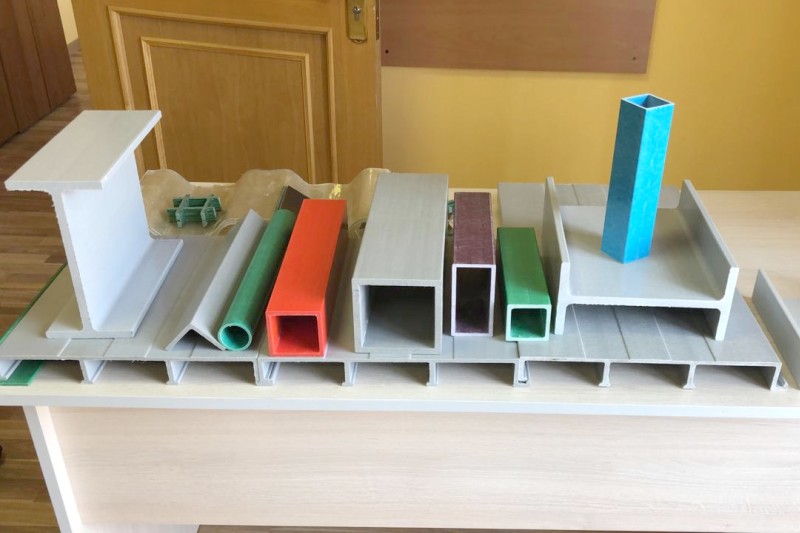
These products are divided into two broad categories: profiles without internal enclosed cavities and closed profiles.
The first category includes:
- solid profiles;
- profiles with a complex shape, with or without undercuts;
- profiles with a lock that closes the cavity;
- profiles with surfaces that form a cavity.
The second category includes:
- ring-shaped profiles;
- complex profiles with one cavity;
- products with closed cavities, with or without undercuts.
What determines the production process?
Before starting profile production and selecting the optimum process, the following profile parameters must be determined:
- product dimensions;
- required shape;
- product material;
- intended use of the profile.
The same type of profile can be produced using different technologies. Much depends on the available equipment and the engineering recommendations developed for the specific process.
For example, a rectangular hollow profile can be produced using a special forming tool or from a cylindrical blank. The profile can be made from a strip extruded through a die slot and then deformed in a calibrator. It can also be produced by welding or by another process. There are therefore many possible solutions, and the specific method is chosen mainly according to the available equipment and the technical requirements for the product. Below we look at common profile types and production methods.
Tubular profiles
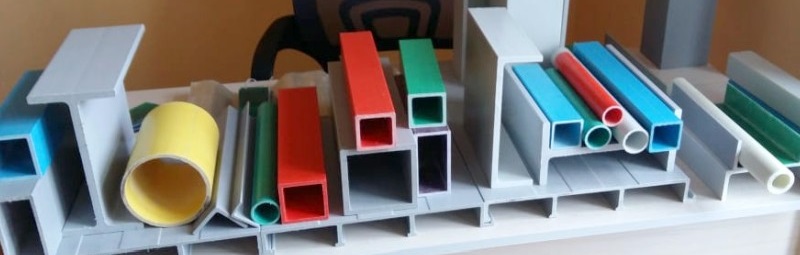
This type of product is calibrated using a set of plates. The plates are installed in a special tank that is evacuated and equipped with the required fixtures. A vacuum pump installed in the tank removes the air.
The technology is similar to pipe production, with one difference: the profile can be formed from a blank shaped as a hollow cylinder.
This is convenient and highly productive: the method can produce profiles with three, four, or more corners.
Hollow and chambered profiles
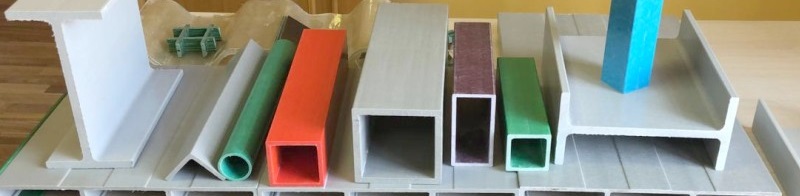
Hollow and chambered profiles generally require a long calibration unit that uses vacuum. The tool head forming the profile must reproduce the product shape in cross-section.
The extrudate cooling process must be controlled to maintain the required product strength and protect the profile from subsequent deformation. This process uses two cooling stages; at the final stage, the profile is cooled with water or an air stream in a special unit located after the calibrator.
Solid profiles
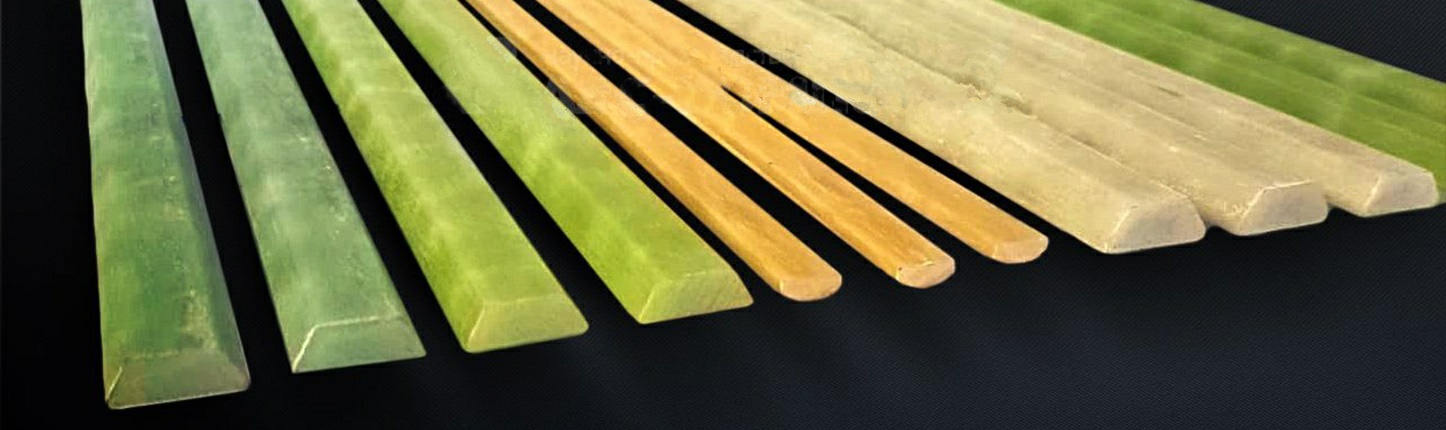
These products are manufactured using approximately the same method as the two types described above. Calibration is also performed in a short vacuum calibration unit.
However, if the profile has thicker walls, a special block consisting of «dry» calibrators is required. A special cooling tank containing calibration plates must also be installed.
This profile-production method creates significantly more friction, so the profile must be pressed more firmly against the tracks.
This technology requires careful selection of the die and calibrator because the process can be unstable. This must be taken into account.
In relatively rare cases, the drawing method can be used for calibration.
Combined profiles
Combined profiles usually consist of different compatible materials. They may differ in color, composition, or polymer type. Such profiles can be calibrated using standard process schemes. Profiles that do not require calibration, most often PVC plastic, can be cooled in a water tank or on a belt conveyor using an air shower.
Core profiles
These products contain a special core made of various materials, such as polymer, metal, reinforcing mesh, or steel wire. The core is usually degreased and heated in advance and may be coated with an adhesive to improve bonding. In some cases, the sheath is applied to the core under vacuum.