8 (800) 550-39-50

Production lines

Production lines from Ivanovo Mechanical Plant are modern tools for setting up a highly profitable businessThe proposed solutions are carefully designed systems for manufacturing in-demand next-generation building materials from polymer composites. The available projects have been tested in practice, developed in accordance with applicable standards, and aligned with current trends. They can be used to establish a new facility or modernize an existing one, increasing profitability or expanding the product range.

Competitive Features

Regardless of whether you choose composite profile, rebar, mesh, or another in-demand product, all lines share advantages that can provide stable income within one or two months:

  • A minimum number of operators: 1–3 people depending on the machine type.
  • Enhanced control provided by automated finished-product quality-monitoring systems.
  • Fast adaptability, making it easy to integrate lines into existing facilities and change product types and parameters.
  • Wear resistance combined with easy maintenance and readily available consumables.

1. Composite GFRP Rebar Production Line

The turnkey price of SPA-1 and SPA-2 production lines in the standard configuration, including the production technology, complete equipment package, commissioning, training, and certification, starts at 990 000 rubles.

A highly profitable business in a promising, in-demand, and growing market niche, including a complete set of reliable equipment, an automated line for producing composite basalt-fiber and GFRP rebar, a machine, and advanced production technology.

TURNKEY BUSINESS

FROM 990 000 RUB

profitability from 90%

payback period from 1 month

staff 1–2 people

download the business plan

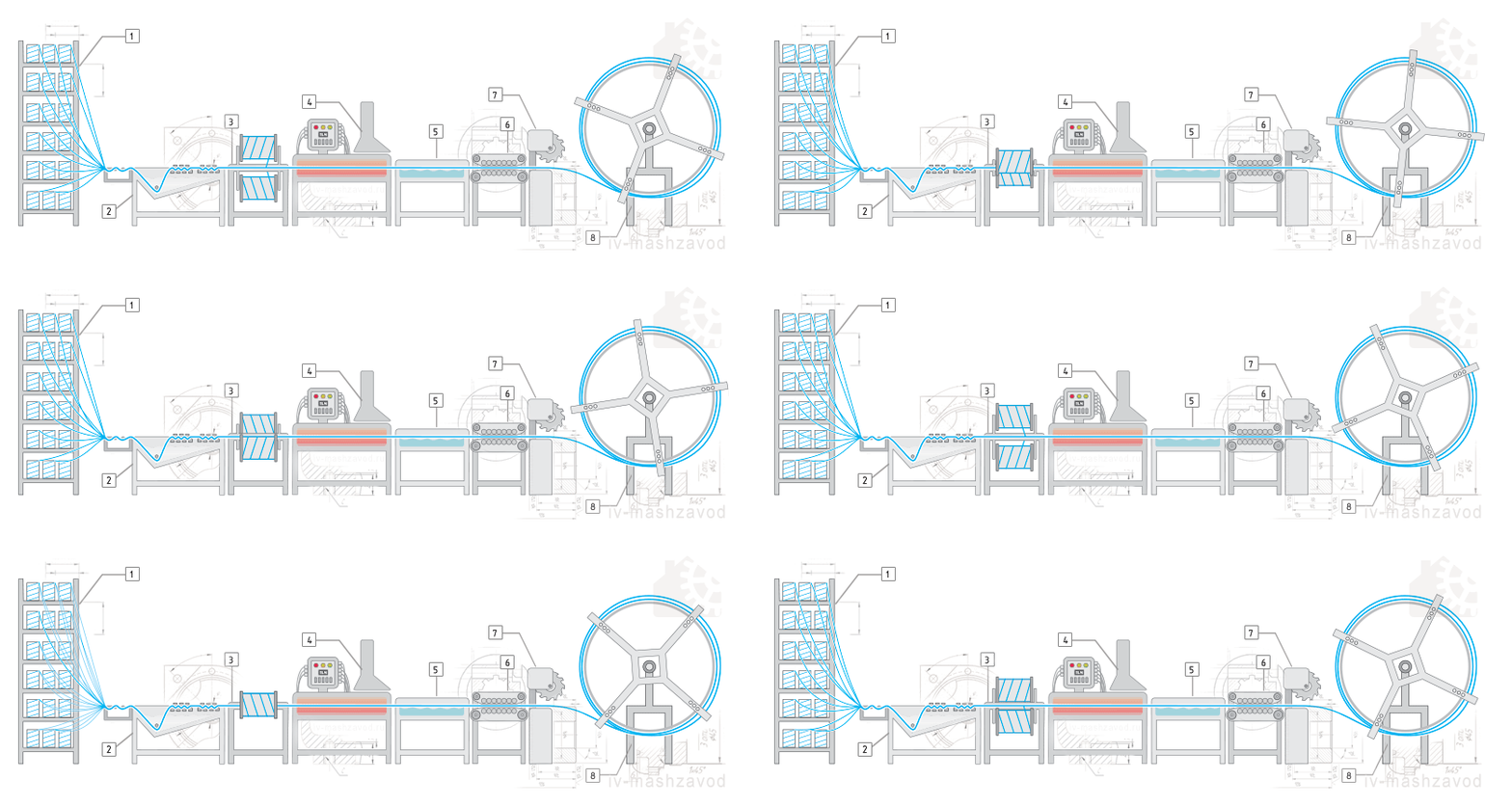
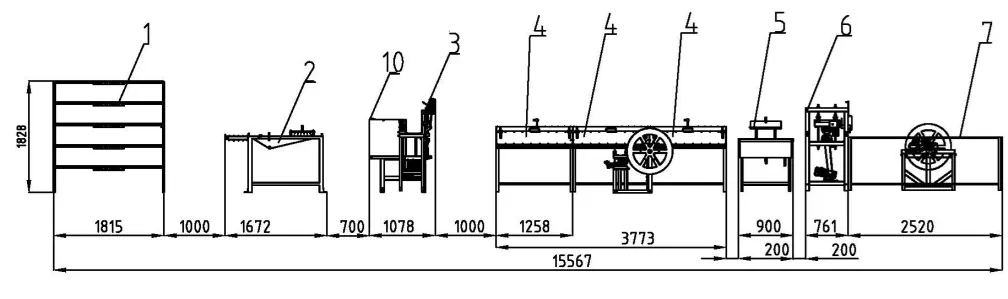
Components of the composite GFRP rebar production line

SPA-1/SPA-2 lines

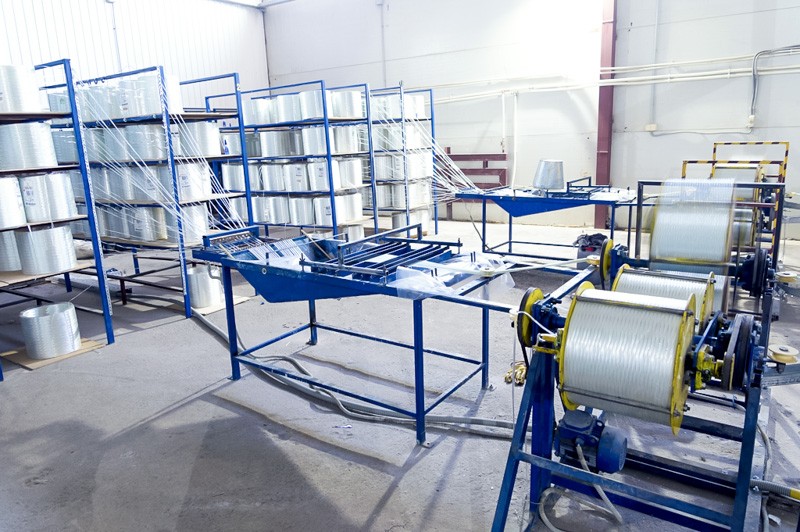
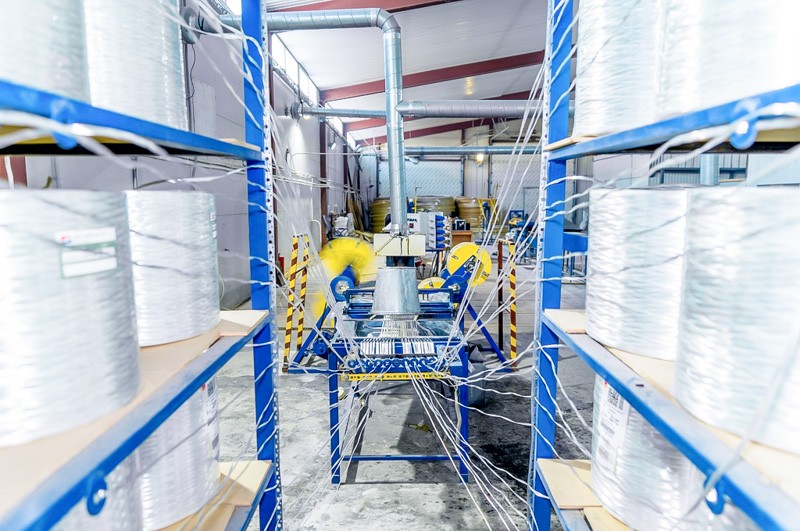
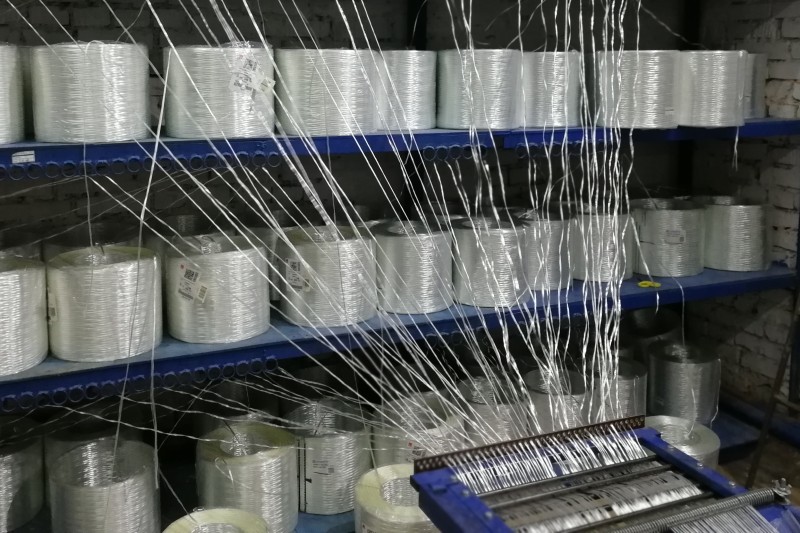
  1. Roving storage rack
  2. Impregnation chamber
  3. Automatic thread twisting unit
  4. Tunnel oven
  5. Water cooling bath
  6. Pulling unit
  7. Automatic cutting unit
  8. Automatic coiler

View specifications

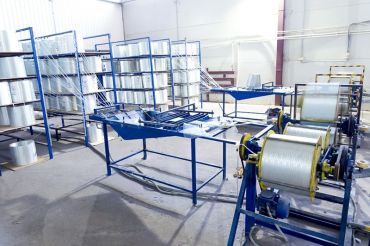
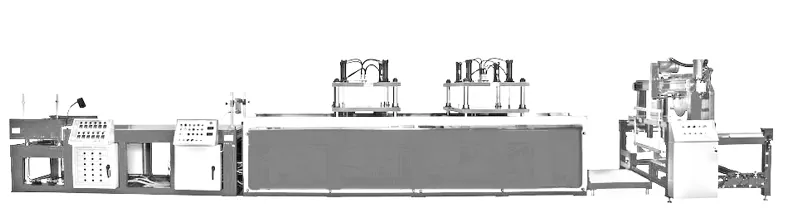
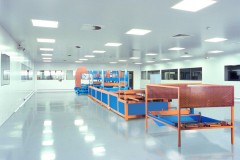
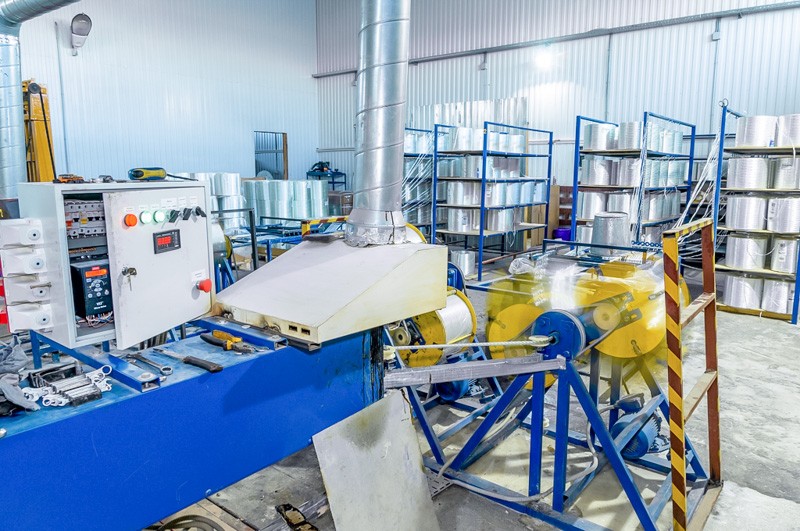
Our GFRP rebar production equipment

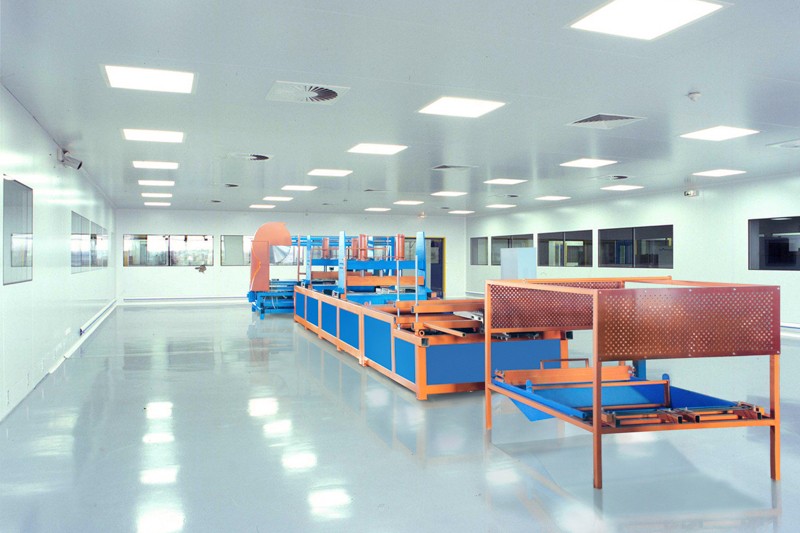
Equipment for producing GFRP rebar

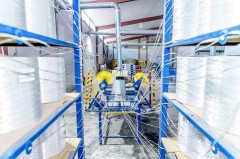
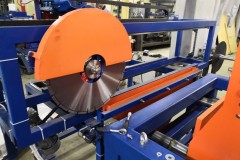
Machine for producing GFRP rebar

GFRP rebar production line

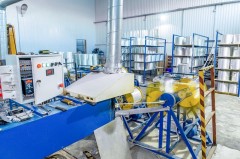
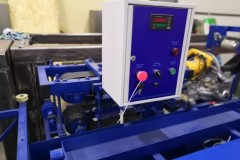
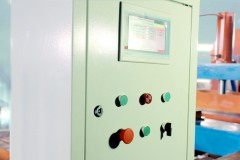
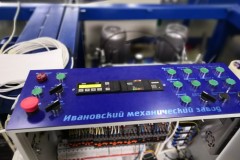
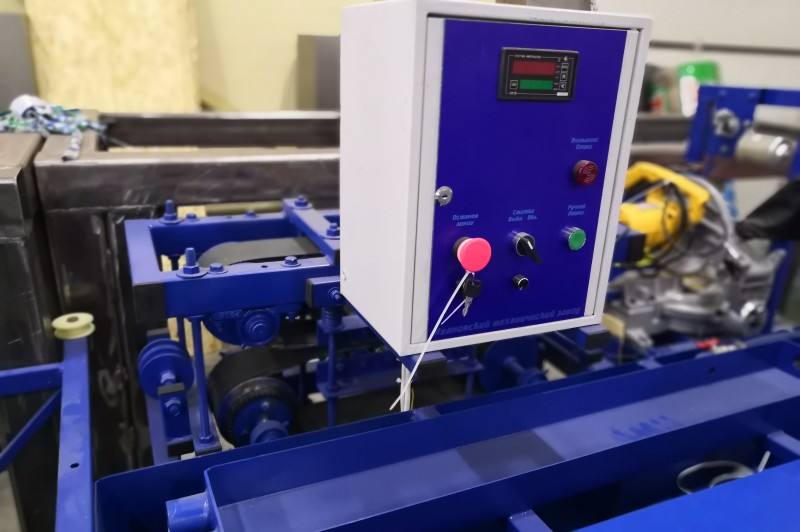
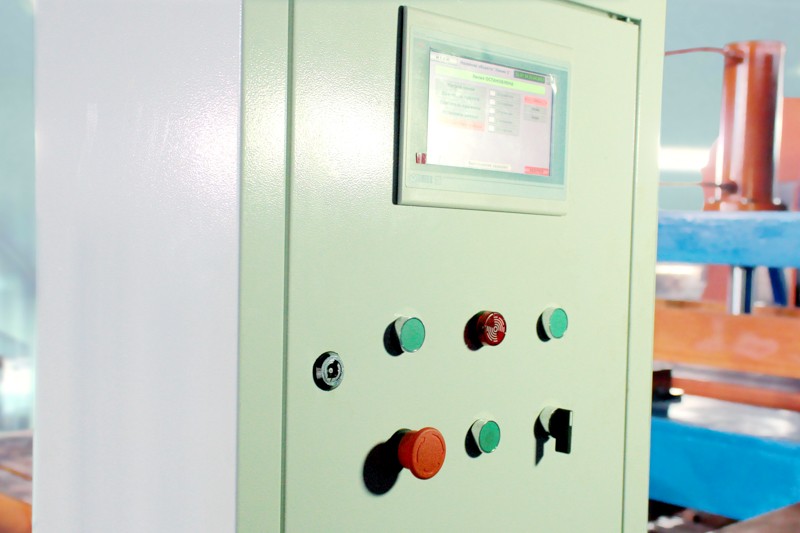
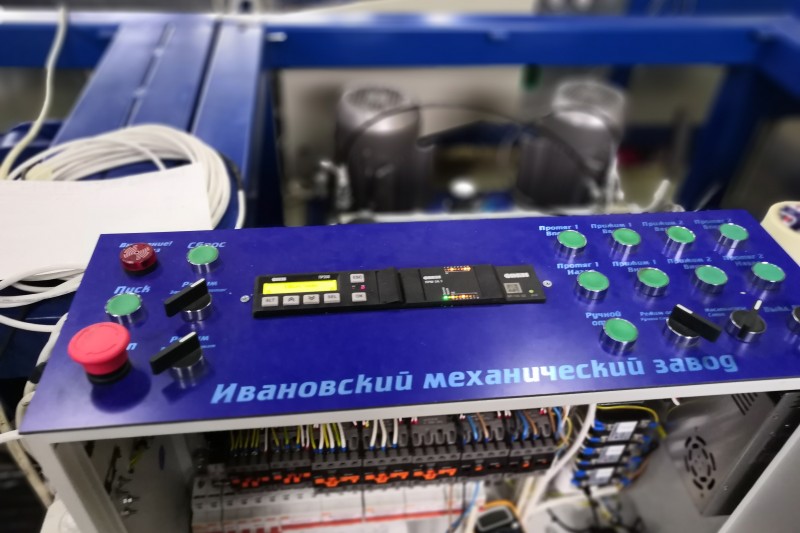
Control panel for GFRP rebar production

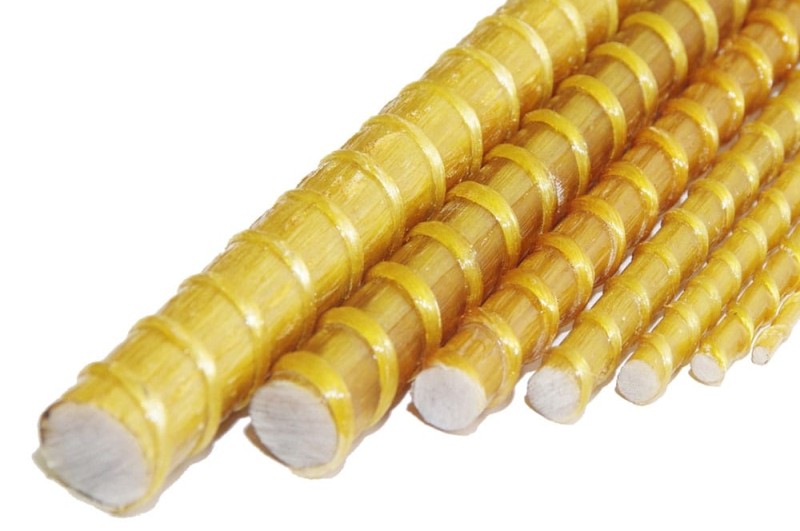
Types of GFRP rebar produced on our equipment

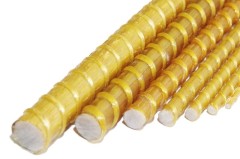
GFRP rebar in various diameters

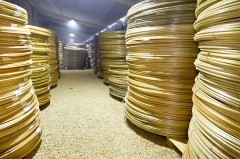
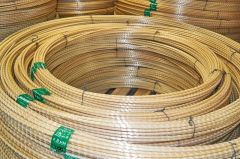
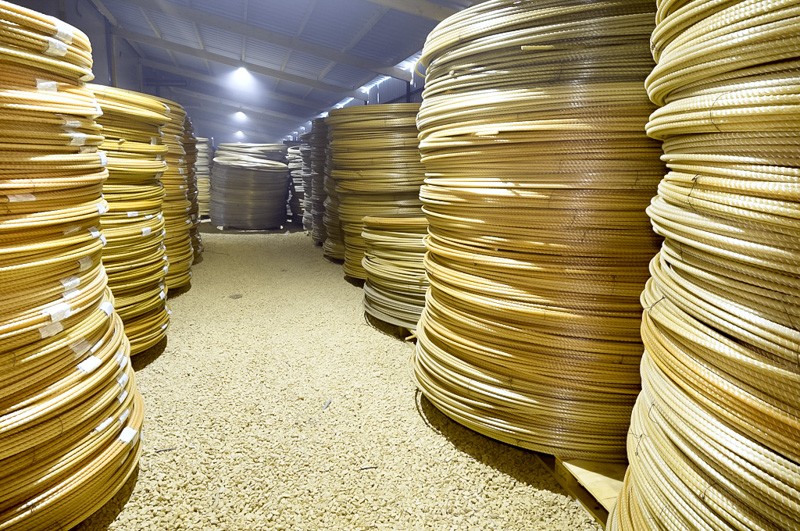
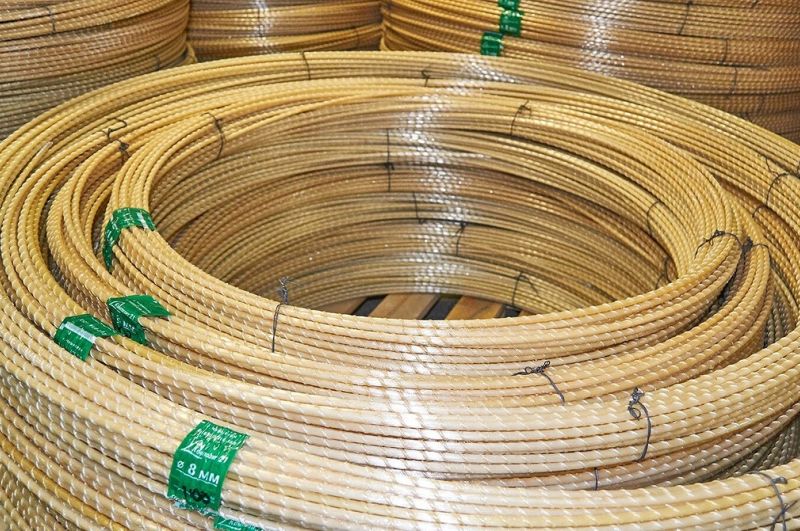
Coiled GFRP rebar

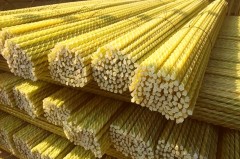
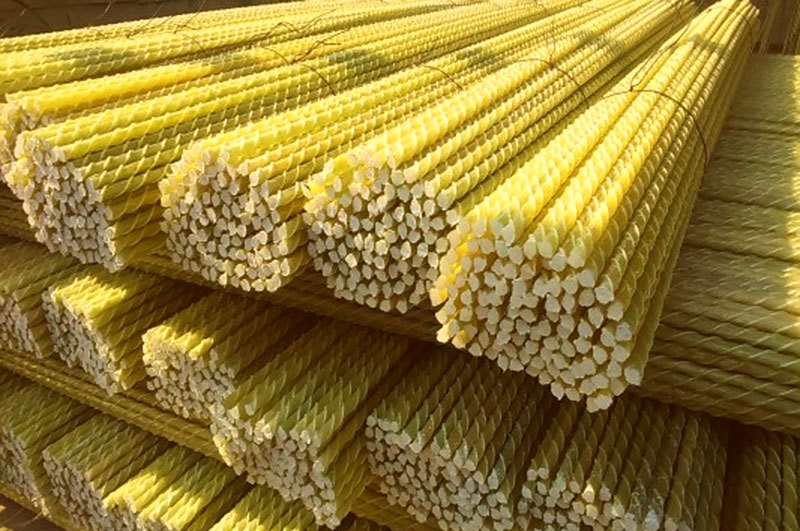
GFRP rebar (in rods)

Coiled GFRP composite rebar

GFRP rebar production technology

The production technology supplied with the equipment includes:

  • compound preparation technology,
  • technology for manufacturing rebar in accordance with GOST and TU,
  • certification of your products, laboratory testing, and issuance of a certificate confirming your product's compliance with GOST.

To produce high-quality rebar that meets all GOST requirements, it is essential to use a proven and certified technology developed by professionals. Our company has its own laboratory specializing in research into the development of composite materials.

The scientific laboratory at our company is headed by Pavel Vyacheslavovich Nikolaev.

- Doctor of Chemical Sciences and professor at the Department of Chemistry and Technology of High-Molecular Compounds at Ivanovo State University of Chemistry and Technology (ISUCT).

Pavel Vyacheslavovich explains:

Since 1973, my research interests have included epoxy oligomers and composite materials based on them. Since 2012, I have headed the laboratory of the research and production company Ivanovo Mechanical Plant. The production of building materials is a huge responsibility: people's health and even lives are at stake, so technology must be approached with due care.
The laboratory's work draws on the knowledge and experience I accumulated during more than 40 years of scientific activity. Rebar quality, high productivity, and environmentally responsible production are the laboratory's main focuses in developing the technology.

Learn more about our laboratory on the page: Our laboratory

The combination of our own scientific laboratory and many years of research experience guarantees our partners a high-quality, certified technology that meets the strictest technical regulations.

Call us now and we will tell you how to produce high-quality composite rebar.

2. GFRP composite profile production line

TURNKEY BUSINESS

FROM 4 150 000 RUB

profitability from 90%

payback period from 1 month

staff 1-2 people

Download the business plan

Components of the composite GFRP profile production line

SPP-1 pultrusion line

  1. Roving storage rack
  2. Impregnation chamber
  3. Die frame
  4. Pulling unit
  5. Cutting mechanism
  6. Stacked rack
  7. Electronic control system
  8. Hydraulic system

View specifications

Our GFRP profile production equipment

GFRP profile production equipment

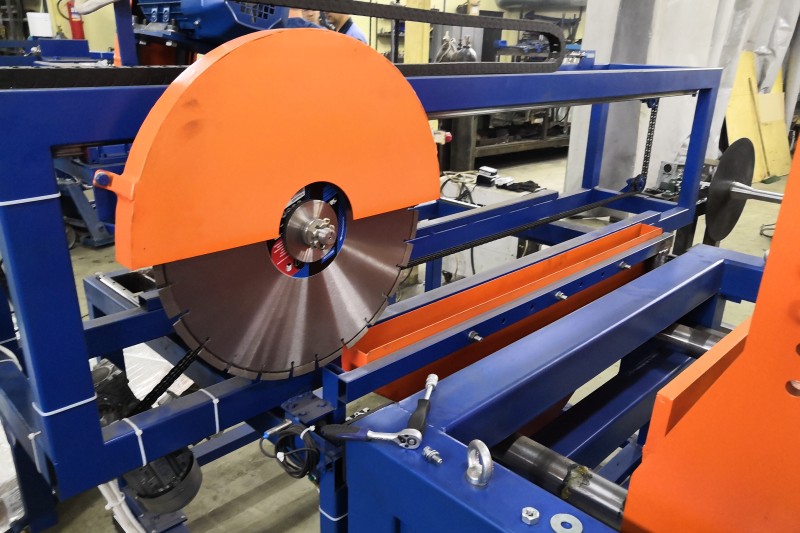
GFRP profile production machine

Assembly of plastic profile production equipment

Composite profile production with our equipment

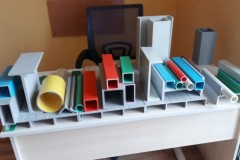
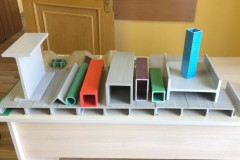
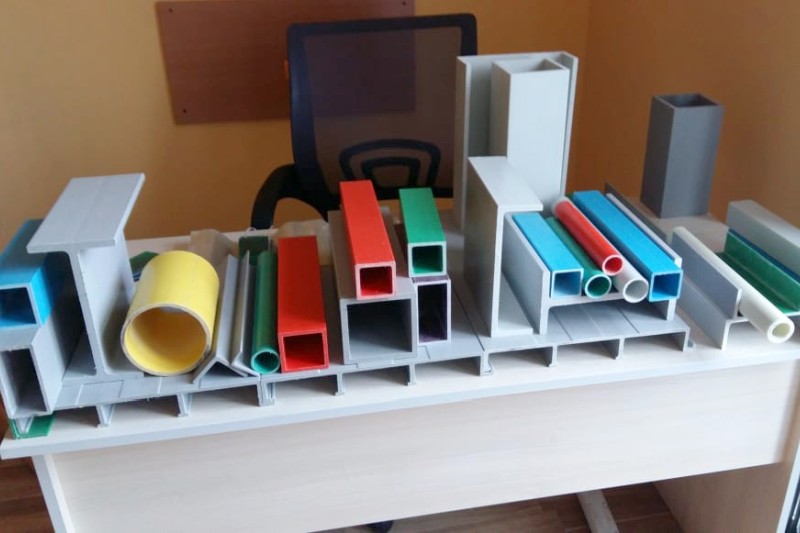
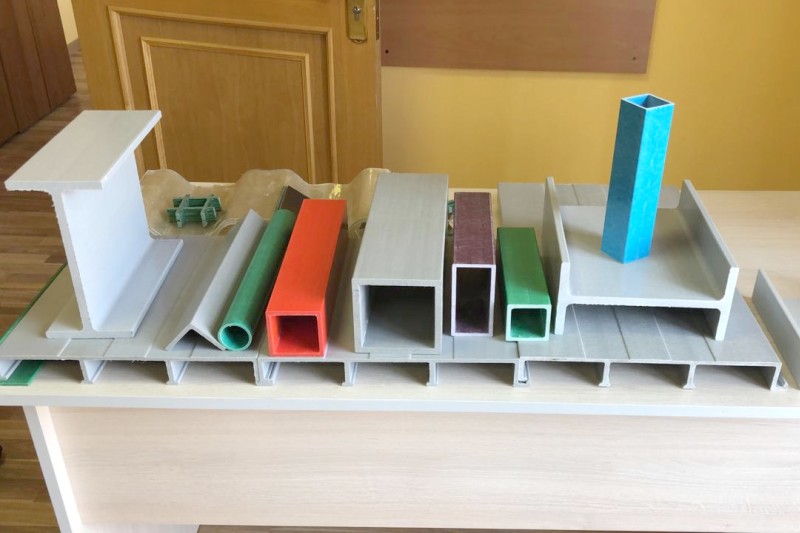
Types of composite profiles produced with our equipment

Examples of profiles manufactured with our equipment

Types of profiles manufactured with our equipment

GFRP profiles produced with our equipment

Experimental use of GFRP profiles

GFRP profile production technology

The production technology supplied with the equipment includes:

  • compound preparation technology,
  • technology for manufacturing composite GFRP profiles in accordance with GOST and technical specifications,
  • certification of your products, laboratory testing, and issuance of a certificate confirming that your product complies with GOST.

The production of high-quality composite GFRP profiles that meet all GOST requirements depends on the use of proven and certified technology developed by professionals. Our company has its own laboratory specializing in composite-materials research.

The research laboratory at our company is headed by Pavel Vyacheslavovich Nikolaev.

- Doctor of Chemical Sciences and professor at the Department of Chemistry and Technology of High-Molecular Compounds at Ivanovo State University of Chemistry and Technology (ISUCT).

Here is how Pavel Vyacheslavovich describes it:

Since 1973, my research interests have included epoxy oligomers and composite materials based on them. Since 2012, I have headed the laboratory of the research and manufacturing company Ivanovo Mechanical Plant. Building-materials production is a major responsibility: people health and even lives are at stake, so technology must be handled with the utmost care.
Running the laboratory required applying the knowledge and experience I accumulated over more than 40 years of scientific work. Rebar quality, high productivity, and environmentally responsible production are the laboratory technology development priorities.

Learn more about our laboratory on the Our laboratory page

Our own research laboratory, combined with many years of research experience, ensures that our partners receive high-quality, certified technology that meets the strictest technical-regulation requirements.

Call us now and we will explain how to produce the highest-quality composite GFRP profiles.
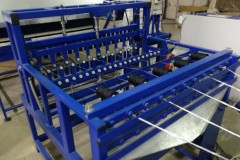
3. Production line for composite GFRP reinforcing mesh

Offer details

We manufacture machines in four configurations that differ in line width and maximum bar diameter:

  • SPS-1-4 - line width 1 meter, bar diameter up to 4 mm.
  • SPS-2-4 - line width 2 meters, bar diameter up to 4 mm.
  • SPS-1-8 - line width 1 meter, bar diameter up to 8 mm.
  • SPS-2-8 - line width 2 meters, bar diameter up to 8 mm.

A one-meter line can produce mesh of any width from 0.5 to 1 meter; a two-meter line can produce mesh from 0.5 to 2 meters wide.

By changing the line settings, the mesh opening can be varied from 50 to 200 mm in any combination.

Additional equipment design differences depend on how the bars are interlaced in the mesh:

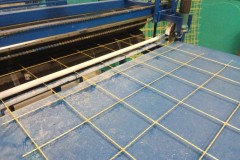
  • carpet weave (transverse bars alternately wrap around the longitudinal bars).
  • twisted weave (transverse bars pass through the longitudinal bars).

The second mesh-weaving option provides additional strength; this modification costs 300,000 rubles more.

TURNKEY BUSINESS

FROM 1 950 000 RUB

profitability from 90 %

payback period from 1 month

staff 1-2 people

download the business plan

Components of the composite GFRP mesh production line

SPS-1/SPS-2 lines

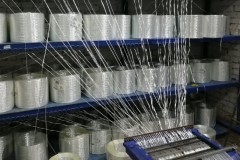
  1. Roving storage rack
  2. Impregnation chamber
  3. Die frame
  4. Pulling unit
  5. Cutting mechanism
  6. Folding rack
  7. Electronic control system
  8. Hydraulic system

SPS-1 line specification

SPS-2 line specification

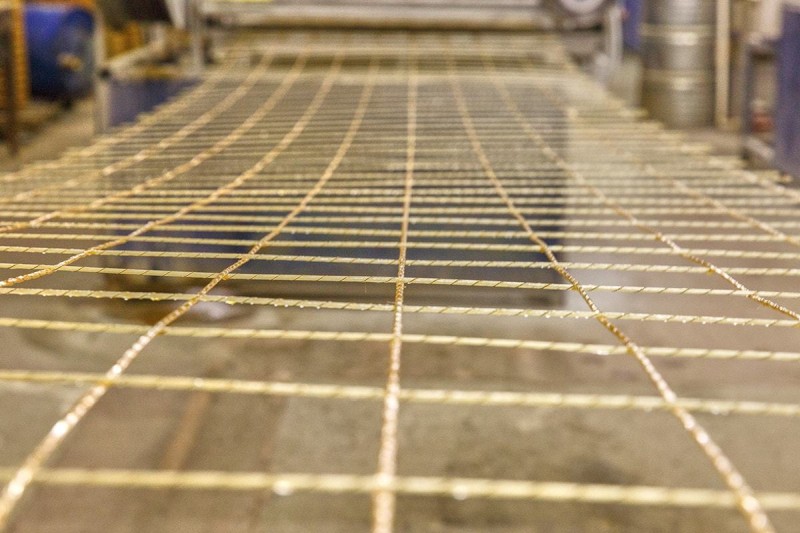
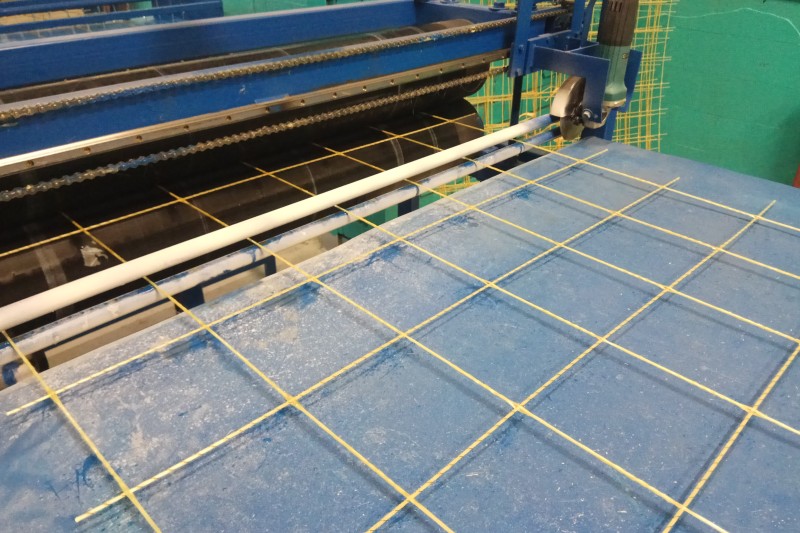
Our GFRP mesh production equipment

Equipment for producing composite mesh

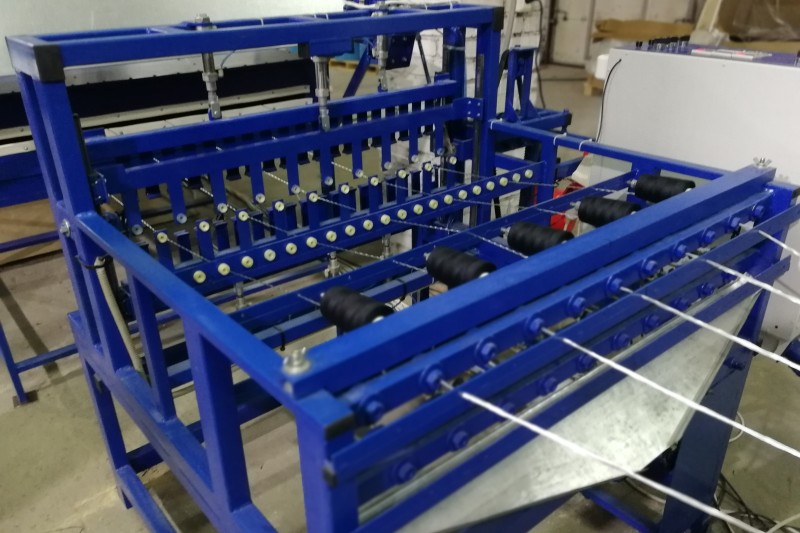
Machine for producing composite mesh

Threads used to produce composite mesh

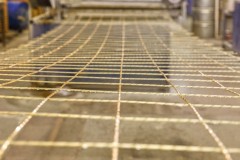
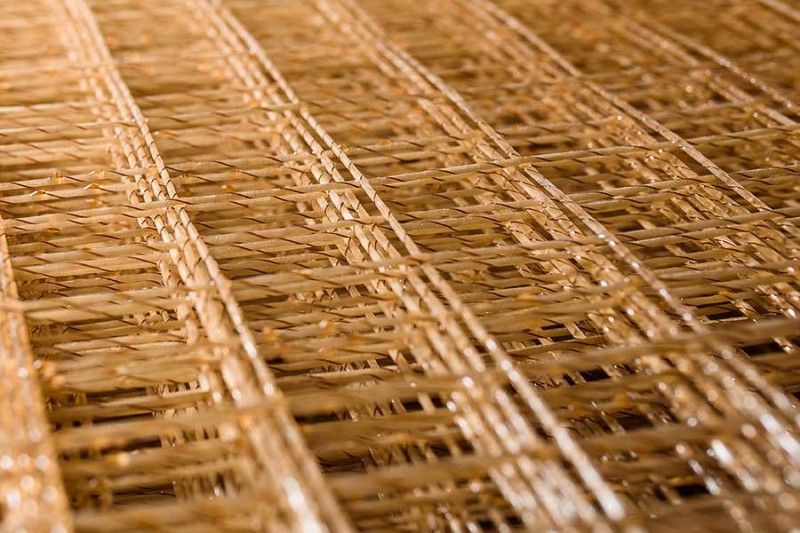
Composite mesh production on our equipment

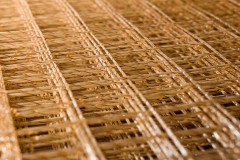
Types of composite mesh produced on our equipment

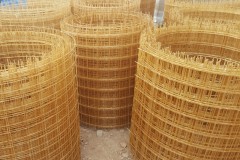
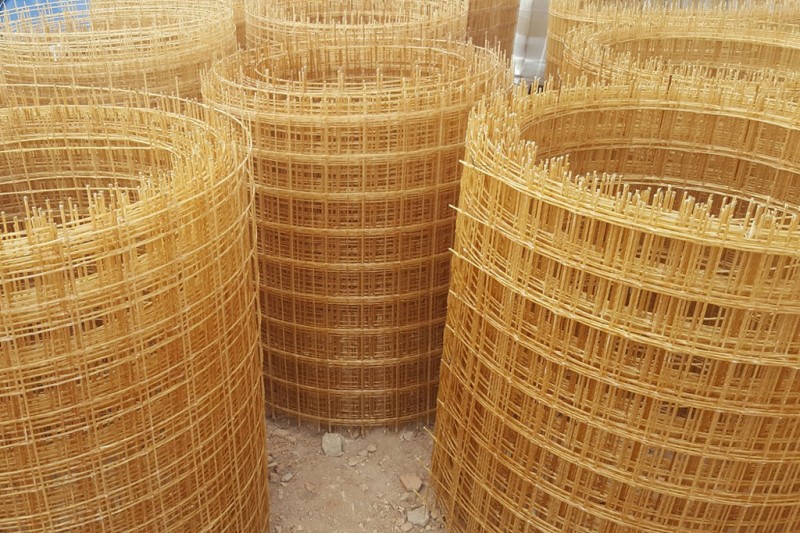
Composite mesh in various diameters

Composite mesh wound into rolls

Composite mesh production on our equipment

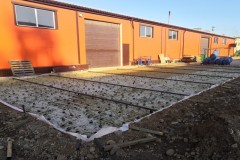
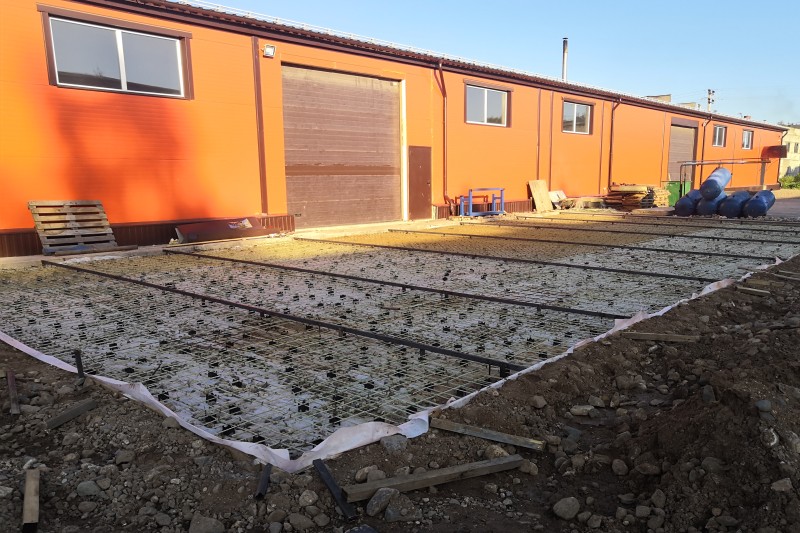
Our plant foundation built on composite mesh

Fiberglass mesh production technology

The supplied equipment includes the following production technology:

  • compound preparation technology,
  • technology for manufacturing composite mesh in accordance with GOST and TU,
  • certification of your products, laboratory testing, and issuance of a certificate confirming your product's compliance with GOST.

To produce high-quality mesh that meets all GOST requirements, it is essential to use a proven and certified technology developed by professionals. Our company has its own laboratory specializing in research into the development of composite materials.

The scientific laboratory at our company is headed by Pavel Vyacheslavovich Nikolaev.

- Doctor of Chemical Sciences and professor at the Department of Chemistry and Technology of High-Molecular Compounds at Ivanovo State University of Chemistry and Technology (ISUCT).

Pavel Vyacheslavovich explains:

Since 1973, my research interests have included epoxy oligomers and composite materials based on them. Since 2012, I have headed the laboratory of the research and production company Ivanovo Mechanical Plant. The production of building materials is a huge responsibility: people's health and even lives are at stake, so technology must be approached with due care.
The laboratory's work draws on the knowledge and experience I accumulated during more than 40 years of scientific activity. Rebar quality, high productivity, and environmentally responsible production are the laboratory's main focuses in developing the technology.

Learn more about our laboratory on the page: Our laboratory

The combination of our own scientific laboratory and many years of research experience guarantees our partners a high-quality, certified technology that meets the strictest technical regulations.

Call us now and we will tell you how to produce high-quality GFRP mesh.

4. Production line for composite GFRP grating

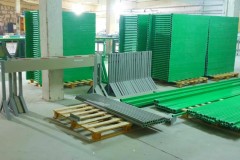
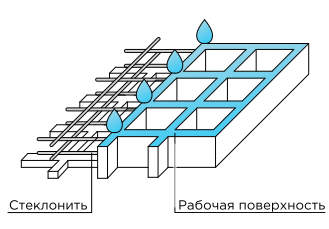
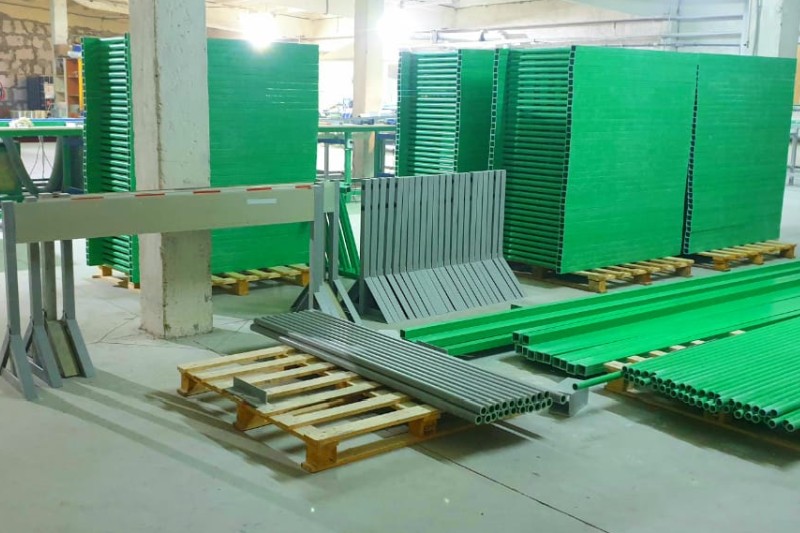
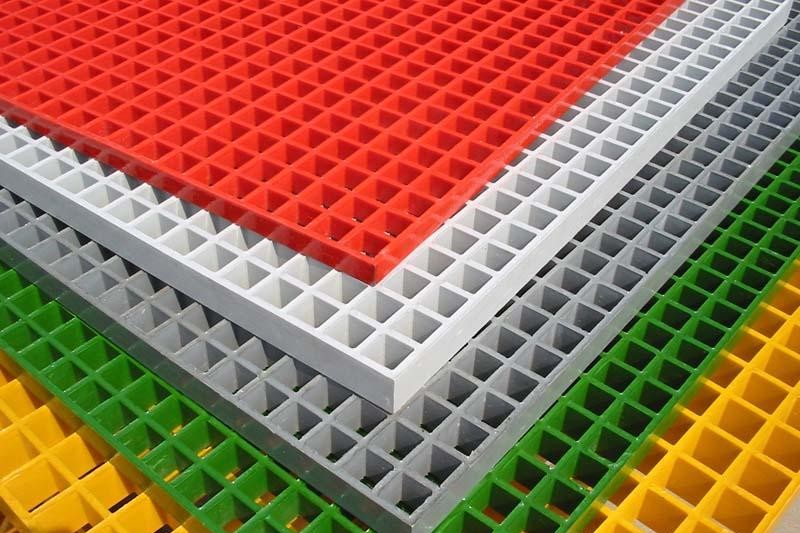
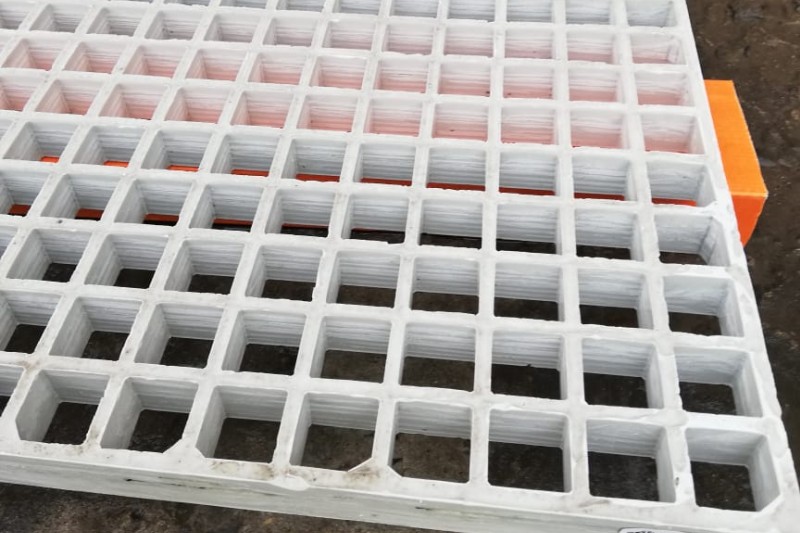
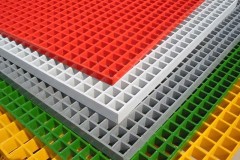
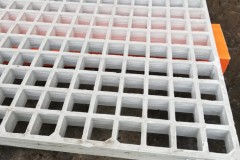
Standard size of the finished plastic grating: 1200 x 3600 x 38 mm, with a mesh opening of 30 x 30 mm. Profiled GRP grating - are lightweight, durable, very strong, and cost-effective modern building materials. The technology makes it possible to produce GFRP grating with smooth or concave surfaces, sanded ribs, and smooth or rough (sanded) closed surfaces to improve slip resistance.

TURNKEY BUSINESS

FROM 2 800 000 RUB

profitability from 90 %

payback period from 2 months

staff 2 people

download the business plan

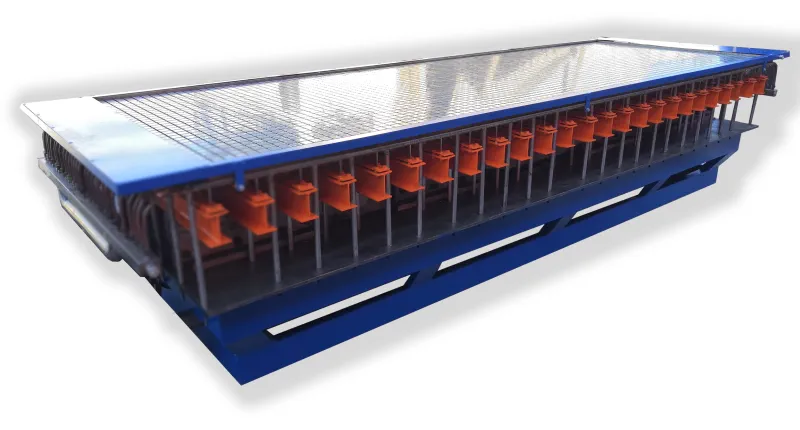
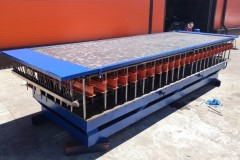
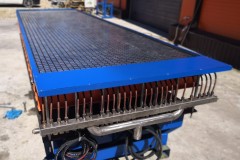
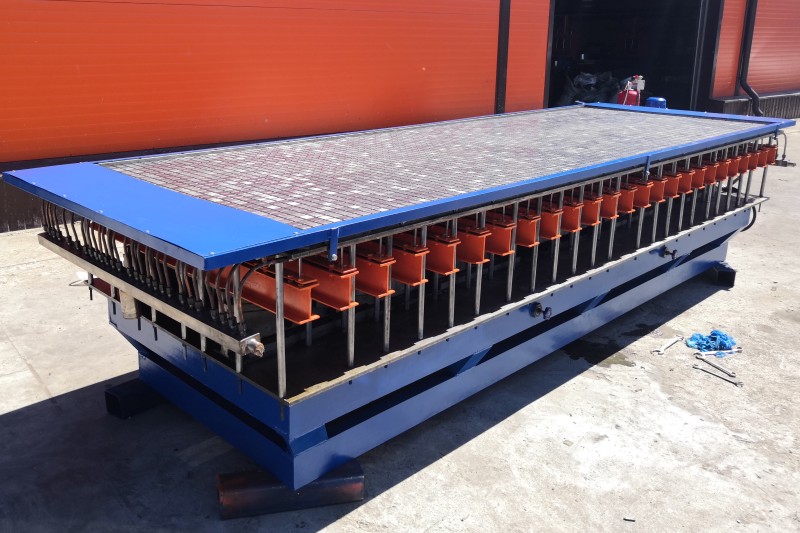
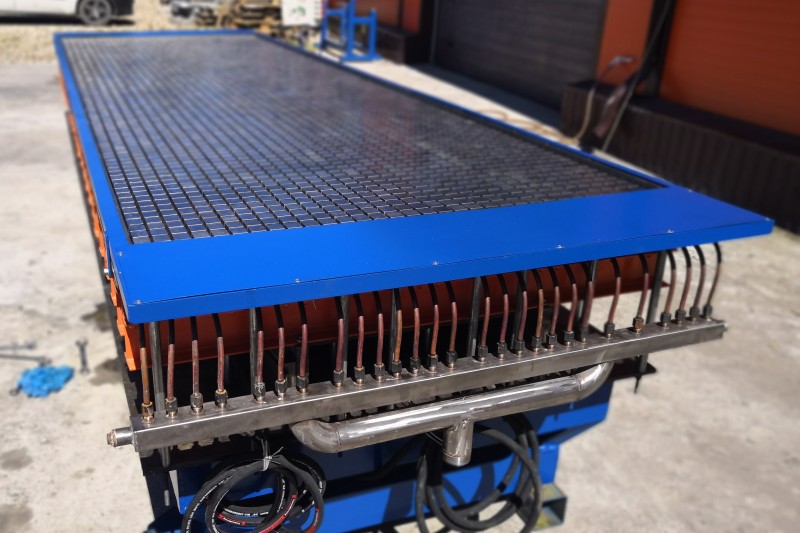
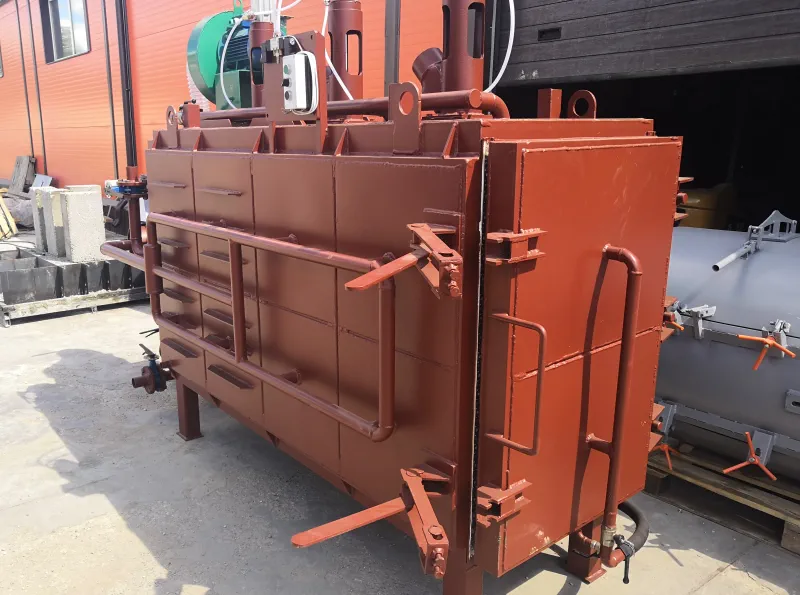
Molding table for producing composite FRP/GRP grating

Line configuration

  1. Creel
  2. Molding table
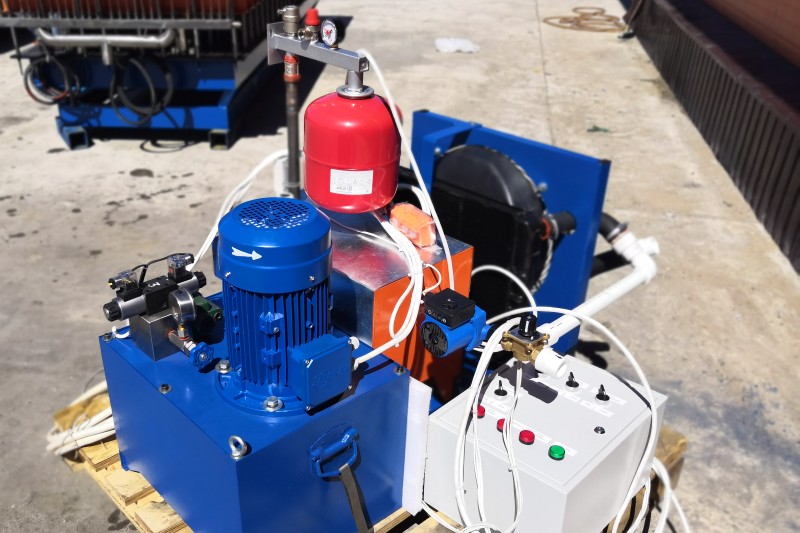
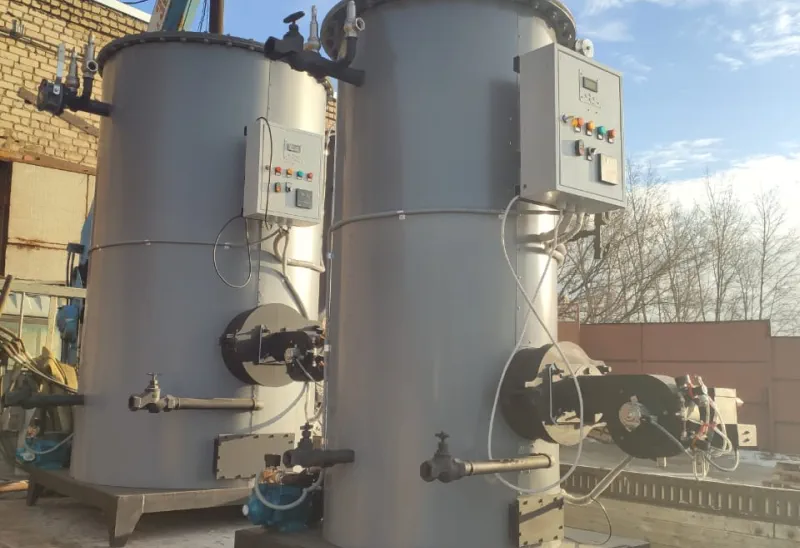
  3. Heat-transfer fluid heating boiler
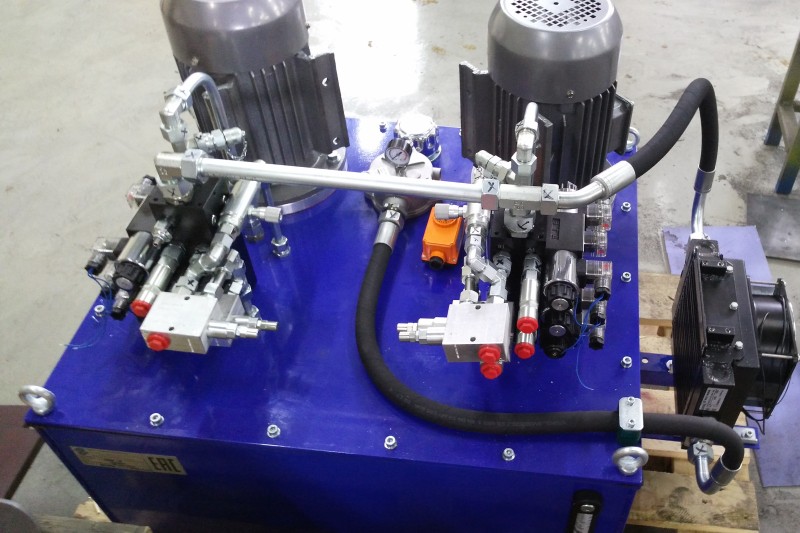
  4. Hydraulic system
  5. Control cabinet
  6. Folding rack
  7. Electronic control system
  8. Hydraulic system

View the specification

Our equipment for producing profiled FRP/GRP grating

Table for FRP/GRP grating production

Molding table for FRP/GRP grating production

Equipment component for FRP/GRP grating production

Equipment module for FRP/GRP grating production

Types of FRP grating produced on our equipment

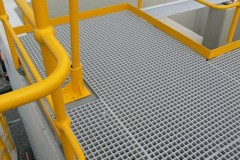
Examples of FRP/GRP grating

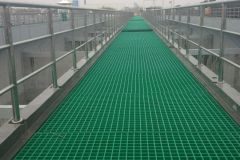
FRP grating manufactured by us

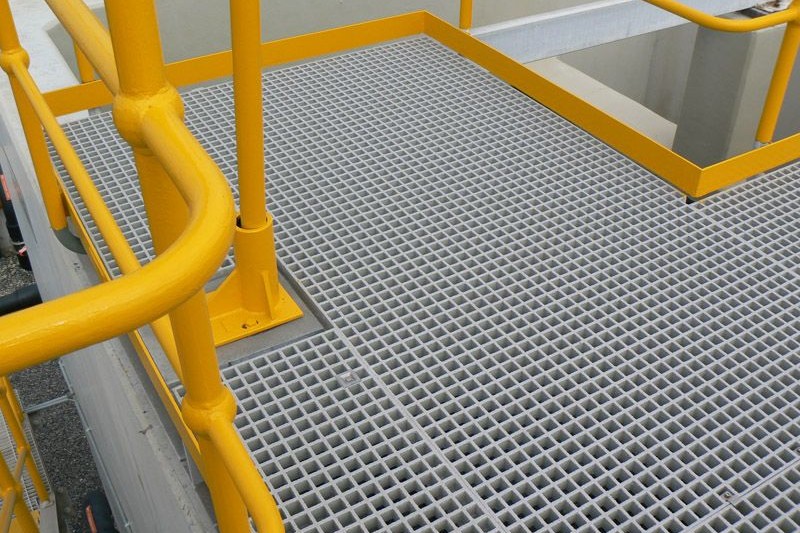
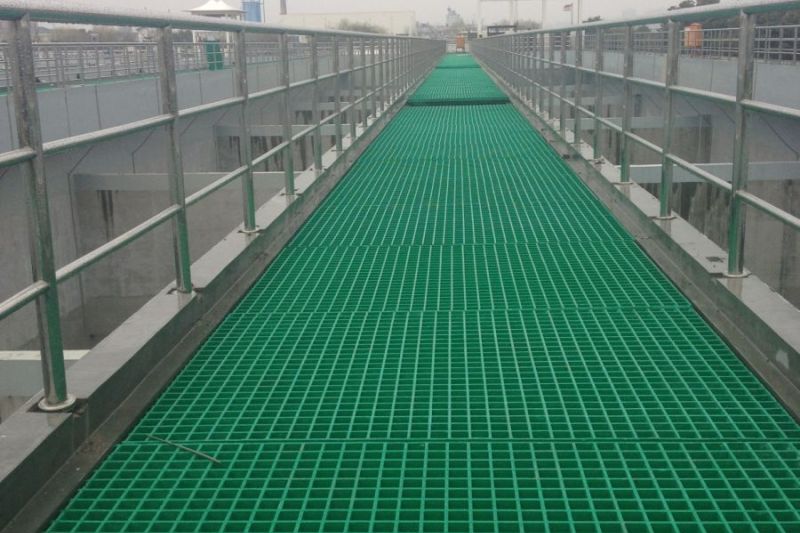
Applications of FRP/GRP grating

Applications of FRP/GRP grating

FRP grating production technology

Manufacturing FRP grating is not a complex process, but the technology must be followed to achieve a high-quality result. We provide the technology for producing composite grating and detailed operator training free of charge. This enables you to produce a high-quality product ready for sale from the first days of operation.

Production technology fundamentals

Glass fiber is the basis for producing FRP grating and serves as its primary reinforcing material. The second component is the polymer matrix. This may be phenolic, one of two polyester resins, or vinyl ester resin.

At the first stage, glass fiber is placed in the mold on the molding table; it provides the product with strength and reliability. At the second stage, the polymer is poured into the mold. The polymer can be colored in any color by adding pigments. An optional production stage is the application of quartz sand to the mold surface to give the FRP grating an anti-slip finish.

Main stages of composite grating production

  • Layer-by-layer placement of roving
  • Filling with compound and filler
  • Heating with a thermal jacket to 80 °C
  • Cooling
  • Removal of the finished product

Call us now and we will explain how to produce high-quality FRP grating.

5. EPS foam production equipment

Complete equipment package for EPS foam production, cutting, and recycling, priced from 2 950 000 RUB. per complete-cycle production line. Construction-grade sheet EPS foam is one of the best insulation materials; it can be used for permanent foam formwork in monolithic construction, architectural foam decoration, polyurethane-foam pipe insulation shells, and polystyrene granules. This is profitable production and a reliable business. Take action — your success is within reach! The raw material is expandable polystyrene PSB (international designation: EPS). Equipment output starts at 50 m³ of EPS with a density of 11 kg/m³ to 35 kg/m³ per shift, in any thickness. Workshop area: 100 – 150 m²
Offer features

  • All machines are automated, so the production process is straightforward. The line can be operated by a staff of just three people.
  • EPS foam production can be not only a core business activity but also a profitable investment for passive income. Simply sign a turnkey business setup agreement with us and we will take care of every aspect, from equipment installation to product sales.
TURNKEY BUSINESS

FROM 2 950 000 RUB

profitability up to 50%

payback period from 3 months

staff 3 people

Download the business plan

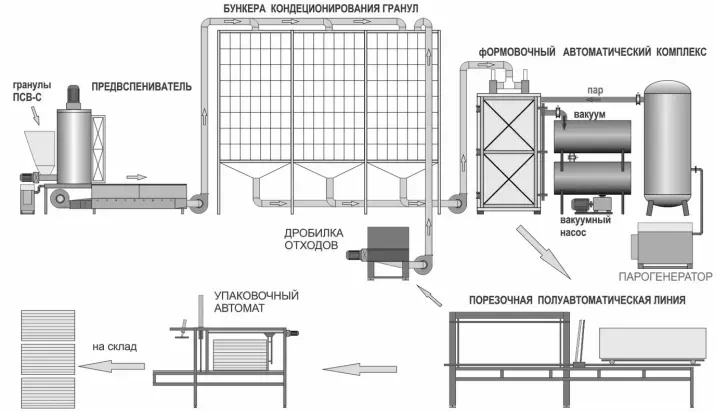
Equipment configuration for EPS foam production (expanded polystyrene)

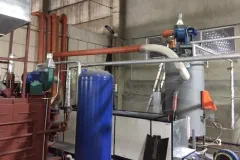
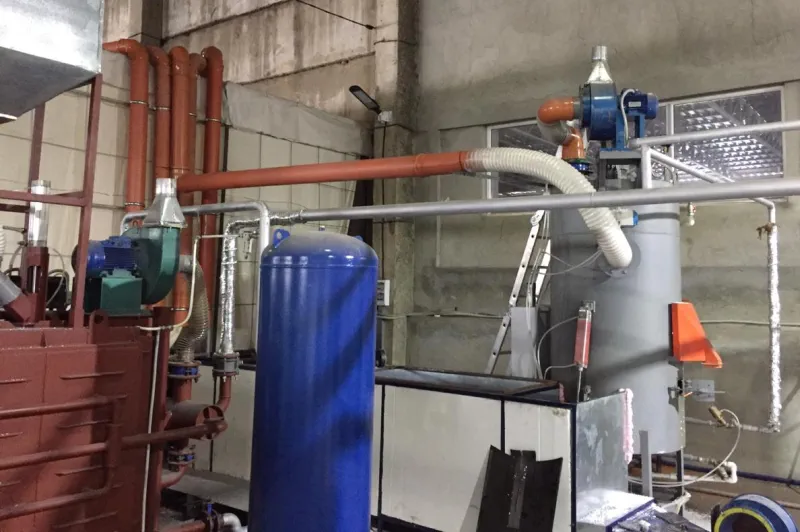
EPS foam production line

  1. PM-04 steam system
  2. PV-Ts-1.0 pre-expander
  3. Secondary expansion unit
  4. Receiving hopper
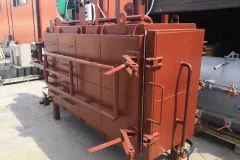
  5. Mold block
  6. Steam accumulator
  7. Waste crusher with automatic packer
  8. EPS foam cutting table

View the specification

Our equipment for EPS foam production (expanded polystyrene)

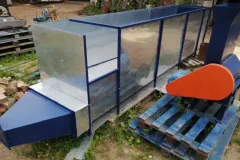
Pre-expander for EPS foam production (EPS foam)

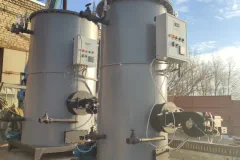
Steam generator for EPS foam production

Pre-expander for EPS foam production

EPS foam production line

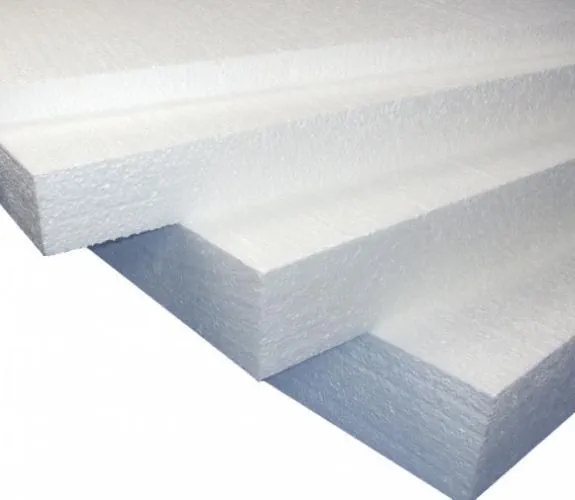
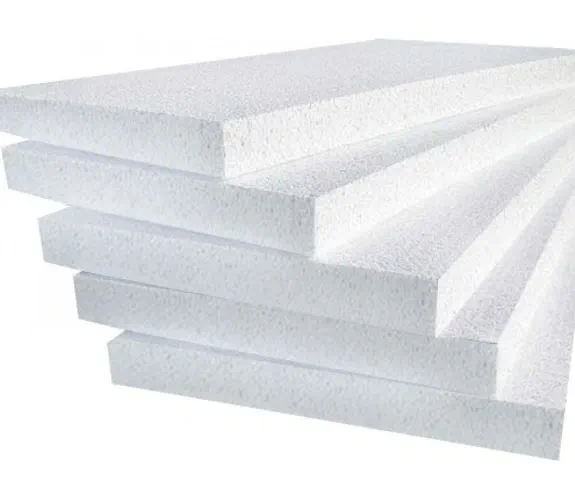
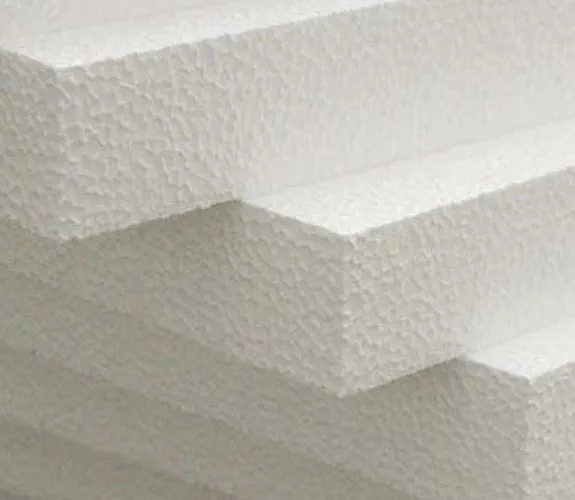
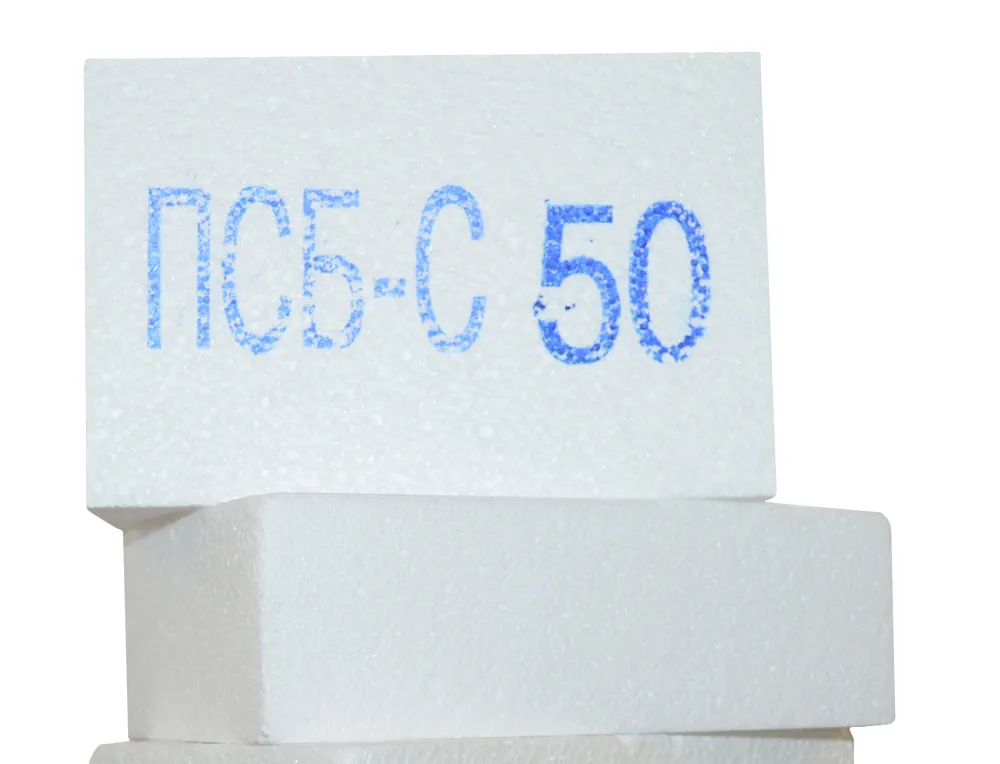
Types of EPS foam produced on our equipment

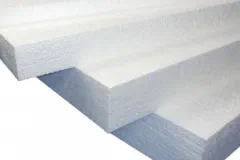
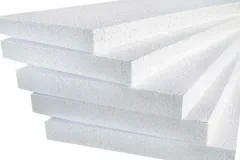
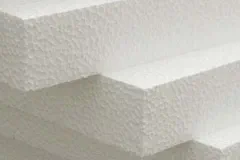
PSB-C 25 EPS foam in various thicknesses

PSB-C 25FK EPS foam in various thicknesses

PSB-C 35 EPS foam in various thicknesses

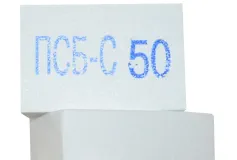
PSB-C 50 EPS foam in various thicknesses

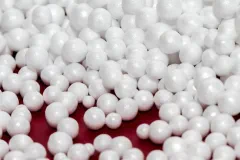
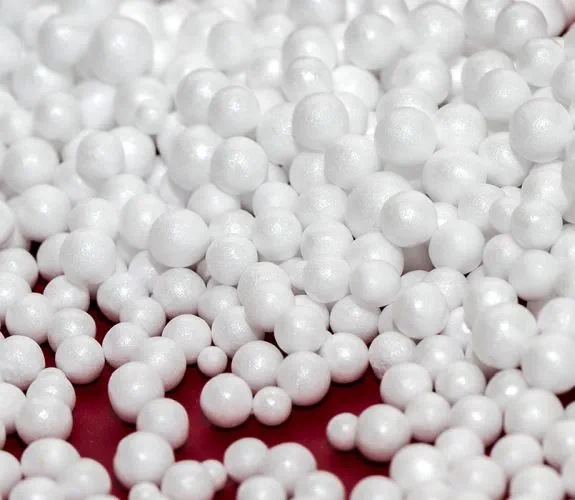
EPS foam granules

Politerm

EPS foam production technology

The production technology supplied with the equipment includes:

  • EPS foam manufacturing technology in accordance with GOST standards and technical specifications (TU),
  • certification of your products, laboratory testing and transfer of a certificate of conformity confirming that your product meets GOST requirements.
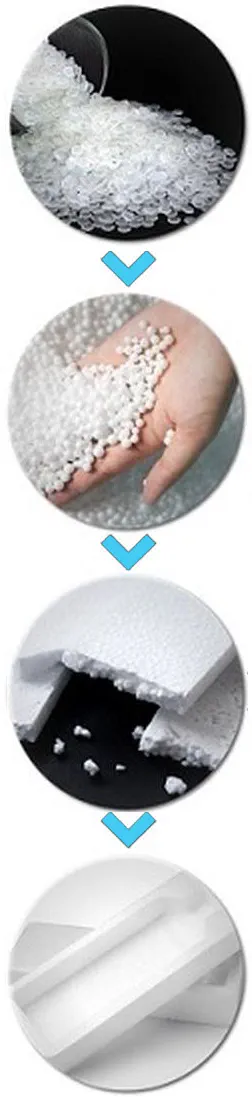
EPS foam production process

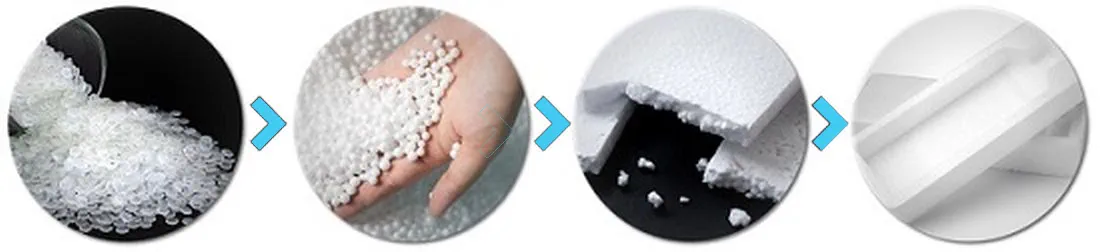
  1. Pre-expansion. During initial expansion, the granules are treated with steam; the temperature reaches 95°C but must not exceed this value. Heating expands the granules and significantly reduces their density. If the initial density was 140 kg/m³, it falls to 60 m³ after the first seconds of treatment and to 18–35 kg/m³ after 5 minutes; Equipment layout for EPS foam production
  2. Secondary expansion. If the specified density is above 18 kg/m³, the production process uses pre-expansion only. If a lower density is required, secondary or tertiary expansion is used. With each subsequent expansion, density decreases, while the thermal insulation and other properties of the foam deteriorate;
  3. Drying. After each expansion process, the granules are wet and must be dried. Drying is performed by supplying air heated to 45°C. Fans circulate the air freely inside the hopper, drying the granules evenly; EPS foam production
  4. Aging. This stage stabilizes the pressure inside the granules; they become saturated with oxygen and dry completely.
  5. Product molding. The dried raw material is fed into the molding unit and heated with steam, which bonds the polystyrene granules together. The material remains in the mold for up to 180 seconds under steam pressure of up to 1.5 kg/cm³. The molded block then cools for 40 minutes and is sent for aging for 24 hours;
  6. EPS foam cutting. Finished foam blocks are sent to a fully automated cutting unit, providing high precision;
  7. EPS foam packaging. This is the final stage; the product is then sent to the finished-goods warehouse and shipped to the customer in the required quantity;

Call us now at 8 (800) 550-39-50 and we will explain how to manufacture high-quality EPS foam (polystyrene).

6. Fiber production line

A complete equipment package for fiber production, cutting and shredding glass fiber or other textile waste, priced from 550 000 RUB

The machine has a feed unit with two rubber rollers pressed against each other to feed raw material to the cutting blades. The guillotine-type blades are driven by a 3 kW electric motor. Power is transmitted through gears, ensuring reliable and durable operation. The machines can also process glass fiber and waste from textile and other production processes.

Technical specifications of the fiber production machine

  • Cutting length / adjustable: 1–100 mm
  • Dimensions: 1300 × 900 × 1300 mm
  • Effective cutting length: 220 mm
  • Cutting thickness: 5–40 mm
  • Control unit
  • Power: 4 kW
  • Operating staff: 1 person

Glass-fiber diameter / hourly output:

  • 1 cm / 70–100 kg
  • 3–5 cm / 140–200 kg
  • 5–7 cm / 350–400 kg
  • 7–10 cm / 400–600 kg

FIBER PRODUCTION MACHINE

from 550 000 RUB

Profitability: up to 85%

Payback period: from 2 months

Personnel: 1 person

Submit an inquiry

Length, width, height — 1300 × 900 × 1300 mm.

A 3 × 3 m room is sufficient for the fiber production machine.

Supply voltage: 380 V.
Power consumption: 4 kW/h

The machine is highly energy-efficient.

diameter 1 cm — 70–100 kg/h
diameter 3–5 cm — 140–200 kg/h
diameter 5–7 cm — 350–400 kg/h
diameter 7–10 cm — 400–600 kg/h

Monthly fiber output per shift: up to 125 tonnes

Adjustable cutting length: 1–100 mm.
Effective cutting length: 220 mm.
Cutting thickness: 5–40 mm.

See the technical documentation for more information about adjusting the length.

One operator is sufficient to run the line.

Our specialists train the operators.
The machine is supplied with complete technical documentation.

Equipment warranty: 3 years.
Warranty and post-warranty service.

Output of 3,000,000 linear meters of finished product. The equipment is reliable; its proven service life without major overhaul is 10 years.

Ivanovo Mechanical Plant

is an innovative company specializing in the design and manufacture of equipment for producing next-generation building materials.


We develop:

  • Equipment for GFRP rebar and mesh;
  • Equipment for GFRP profiles;
  • Equipment for EPS foam;
  • Equipment for GRP profile flooring;
  • and much more.

Our partners reviews

Video testimonials from our partners

Review of the production lines for composite fiberglass rebar and mesh

Review of our equipment for fiberglass rebar and mesh production (Moscow, 2020)

Review of the composite fiberglass rebar production line

Review of our fiberglass rebar production line (Saratov, 2020)

Review of our equipment for fiberglass rebar production

Review of our equipment for fiberglass rebar production (Krasnodar Krai, 2020)

Review of the EPS foam production equipment

Review of our EPS foam production equipment (Borjomi, Georgia, 2019)

Review of the fiberglass rebar production line

Review of our equipment for fiberglass rebar production (Tyumen, 2019)

Review of our equipment for fiberglass rebar production (Ufa)

Review of the production launch in Bogoroditsk (2016)

Why choose automated lines from the Ivanovo Mechanical Plant?

When choosing a business idea or production equipment to modernize an existing facility, it is important to verify the efficiency, relevance, and profitability of the proposed solution. Lines from the Ivanovo Mechanical Plant meet these criteria thanks to the following features:

  1. Minimal staffing. Minimizing staffing is a key factor in improving facility profitability. Our lines require only one or two operators.
  2. Enhanced automation. Most operations are performed by programmable units controlled by a set of sensors. All key characteristics are monitored, including raw-material quality, part position, and process accuracy. The operator monitors current parameters, replenishes raw materials, and unloads products in time.
  3. Wear resistance. The lines are designed to operate in three shifts without frequent process interruptions. Parts and assemblies are thoroughly tested and have an increased safety margin to achieve their specified service life. Line reliability is supported by a mandatory warranty.
  4. Fast adaptability. The equipment is easily adapted to the premises thanks to its modular design and can be quickly integrated into an operating facility. Each line can manufacture several types of products. Switching to another product requires only a few button presses or simple actions by the operator.
  5. Affordable maintenance. The designs are developed to minimize maintenance costs and extend intervals between repairs. Consumables are manufactured in Russia and are always available in our warehouses.
  6. Product demand. The lines we offer manufacture modern building materials from polymer raw materials. Their performance is significantly better than familiar metal alternatives, while composite products cost less. As a result, demand for them grows every year.

When ordering lines from the Ivanovo Mechanical Plant, our clients receive full support, including project development, delivery, assembly, installation, and commissioning. We also train operators, supply raw materials, and assist with finished-product sales. Contact a plant manager in any convenient way to learn more.
Our team

Want to buy a fiber production machine? Just contact us