8 (800) 550-39-50

Manufacturing business ideas

A production business from NPO Zvezda is an excellent opportunity not only to start your own company but also to build a system that will operate for many years and generate stable income. The modern market constantly needs high-quality construction materials and composite products. Residential complexes, retail facilities, roads and industrial structures are being built in different regions, and every such project requires reliable solutions. Therefore, more and more entrepreneurs are choosing to organize their own production.

NPO Zvezda offers clients more than equipment: it offers a ready-to-launch production business. We understand that starting a plant raises many questions: how to organize the process correctly, where to find employees and how to establish sales. To eliminate these risks, we take responsibility for the complete cycle of tasks, from developing the business plan to installing the equipment and commissioning the lines. This approach gives our clients confidence from the start and prevents them from spending extra resources on technical details.

Advantages of a comprehensive approach

Launching a manufacturing business requires attention to many aspects. Equipment alone is not enough: logistics must be planned, raw materials selected, employees trained and uninterrupted operation ensured. We support the client at every stage, making the process as comfortable and safe as possible.

Our production lines are reliable, easy to operate and adaptable to different tasks. Process automation reduces staffing costs, while high-quality components ensure a long service life. The main advantage is that, along with the equipment, the client receives our ongoing support: training, service, consultations and assistance with product promotion.

The main advantages of working with us are:

  • Full project support, from the business plan to commissioning the line.
  • Fast equipment delivery and installation by experienced specialists.
  • Staff training and technology transfer with practical recommendations.
  • Support in selecting raw materials and organizing product sales channels.
  • Long-term service with the supply of original components and consumables.

We are confident that a production business will provide a reliable foundation for your success. By working with NPO Zvezda, you receive not only equipment but also a partnership that leads to stable growth and reliable results. Take the first step: submit an inquiry, and we will explain how to turn your ideas into a fully operational plant.


1. Composite GFRP rebar manufacturing

Composite rebar is an alternative to metal rebar. It is lightweight, resistant to chemicals and moisture, flexible, thermally efficient and easy to use. It is used in the following areas:

  • construction, for reinforcing foundations, masonry, concrete floors and other structures;
  • road construction, for reinforcing concrete slabs and pavements, strengthening weak subgrades such as wet soils and marshes, and constructing tunnels;
  • mining, for reinforcing rock during access construction and excavation;
  • the construction-materials industry, for manufacturing anchors, rods and mesh;
  • agriculture, for manufacturing greenhouses, frames for climbing plants and plant supports;
  • tourism, for manufacturing tent pegs and poles.

These areas are the target markets for customer development, and the wide range of applications makes their potential clear.
TURNKEY BUSINESS

FROM 990 000 RUB

profitability from 90%

payback from 1 month

staff 1-2 people

Download the business plan

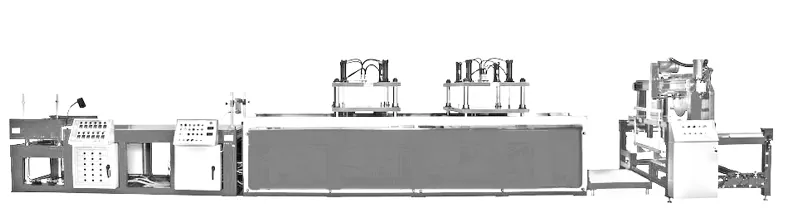
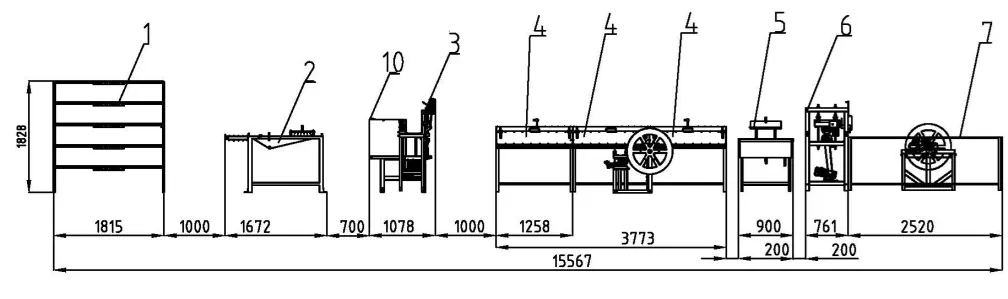
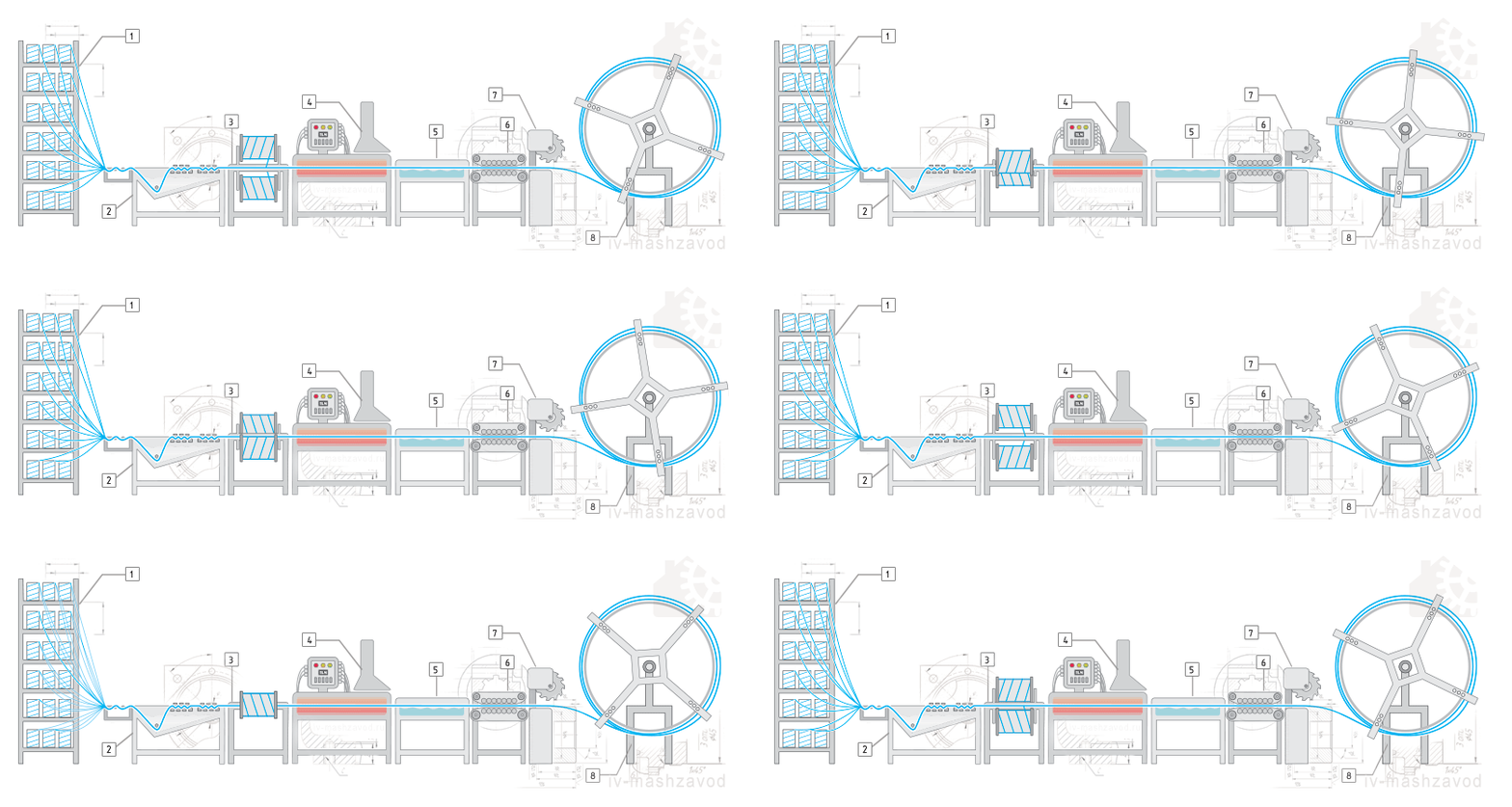
Components of the composite GFRP rebar production line

SPA-1/SPA-2 lines

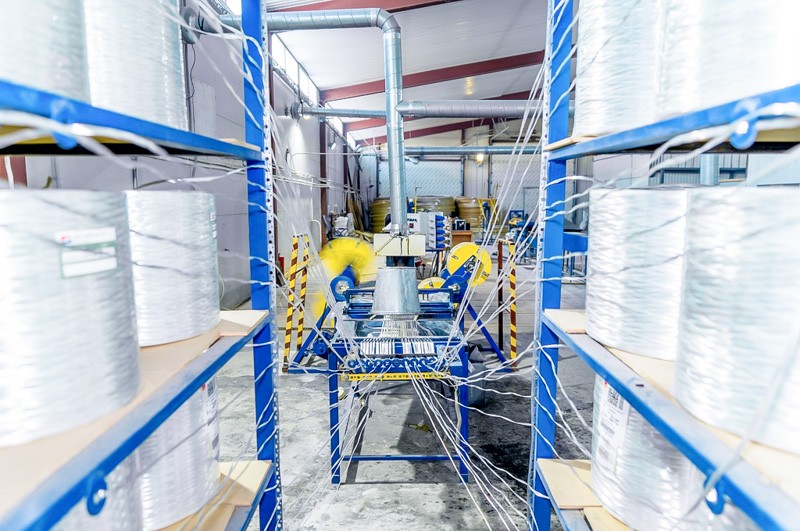
  1. Roving storage rack
  2. Impregnation chamber
  3. Automatic thread twisting unit
  4. Tunnel oven
  5. Water cooling bath
  6. Pulling unit
  7. Automatic cutting unit
  8. Automatic coiler

View specifications

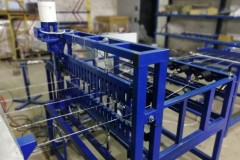
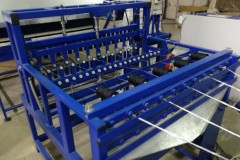
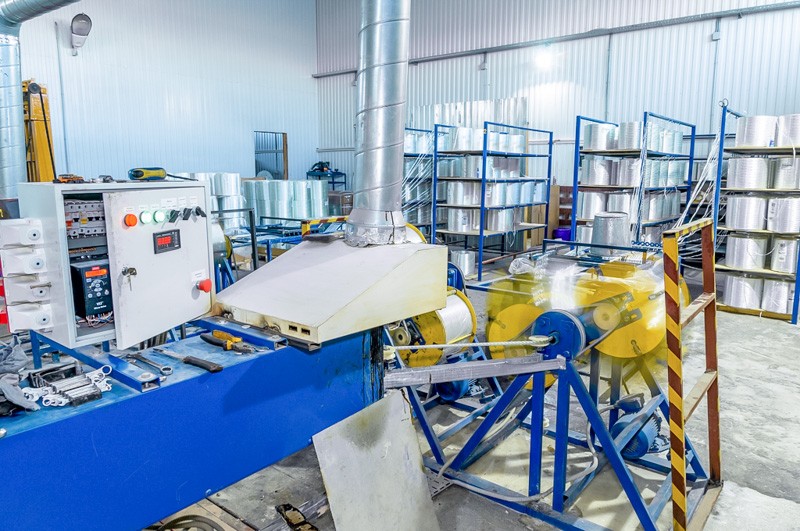
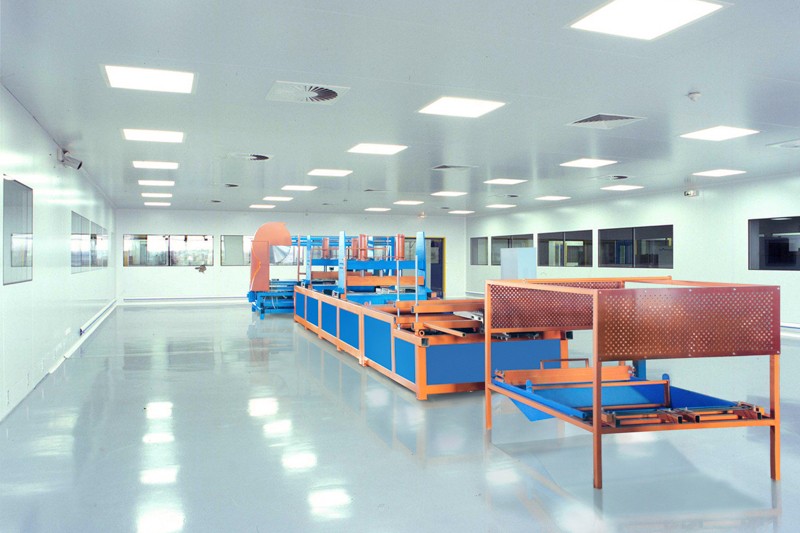
Our GFRP rebar production equipment

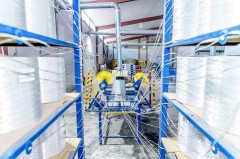
GFRP rebar production equipment

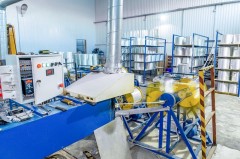
GFRP rebar production machine

GFRP rebar production line

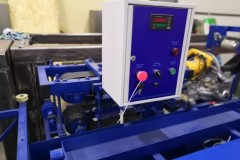
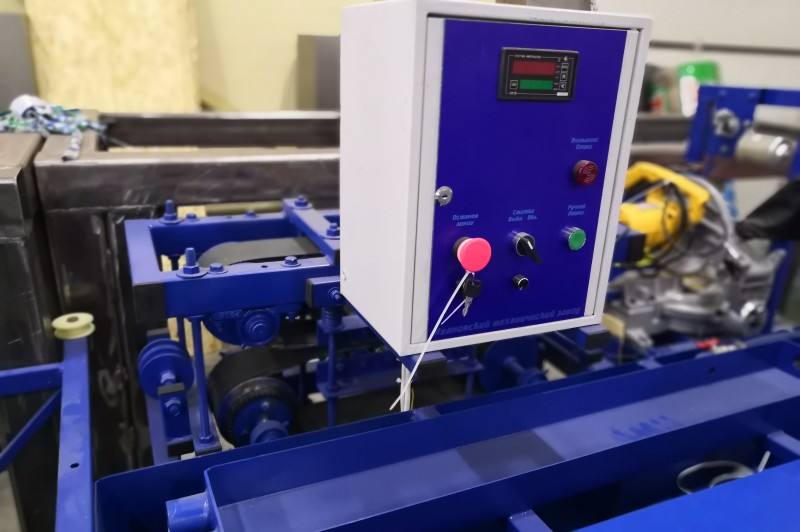
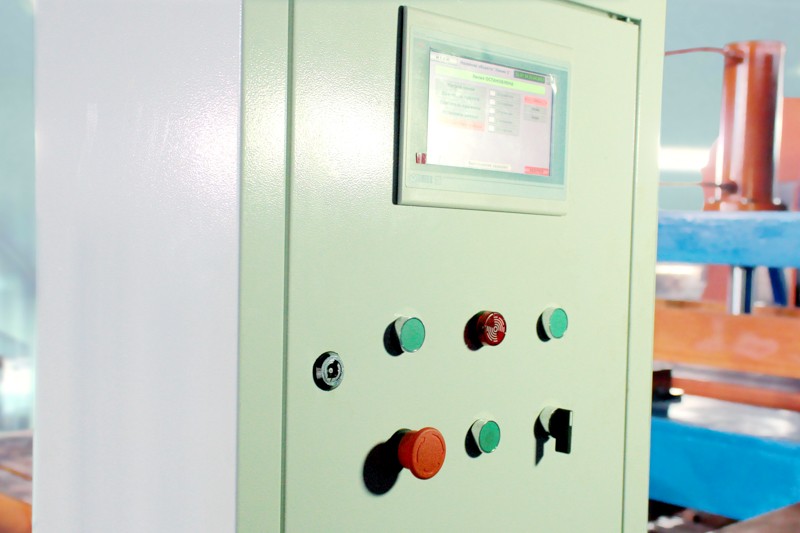
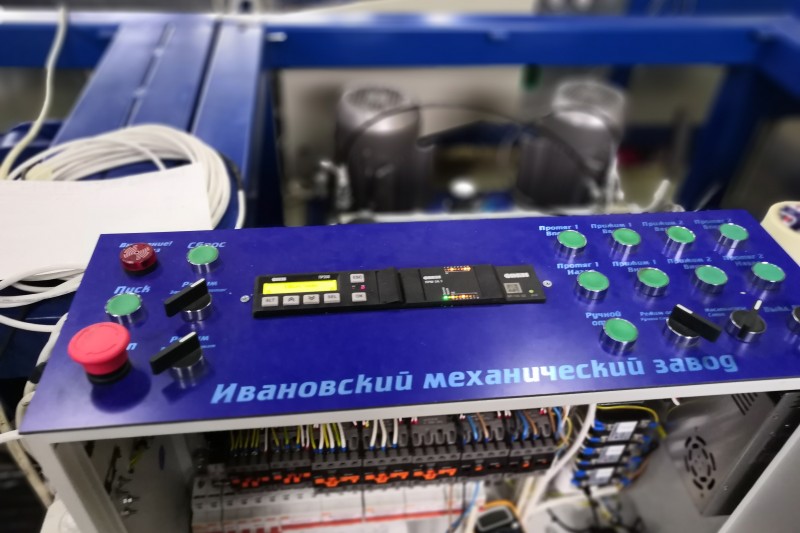
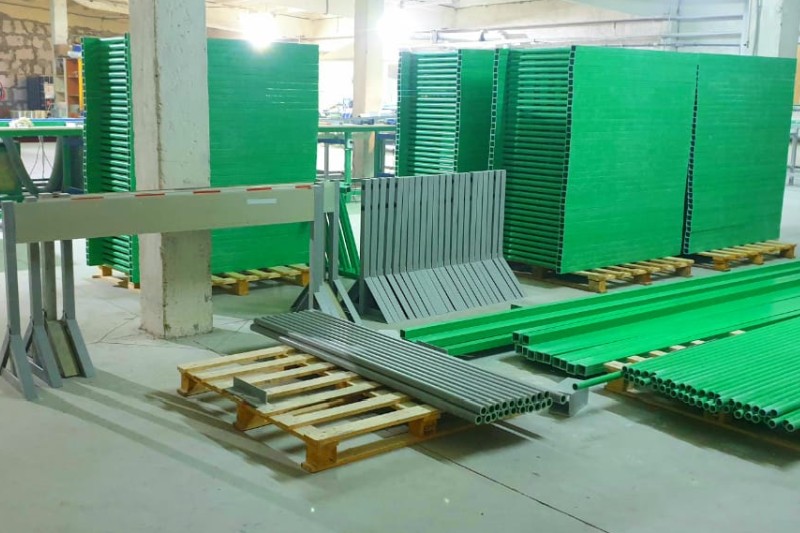
Control panel for GFRP rebar production

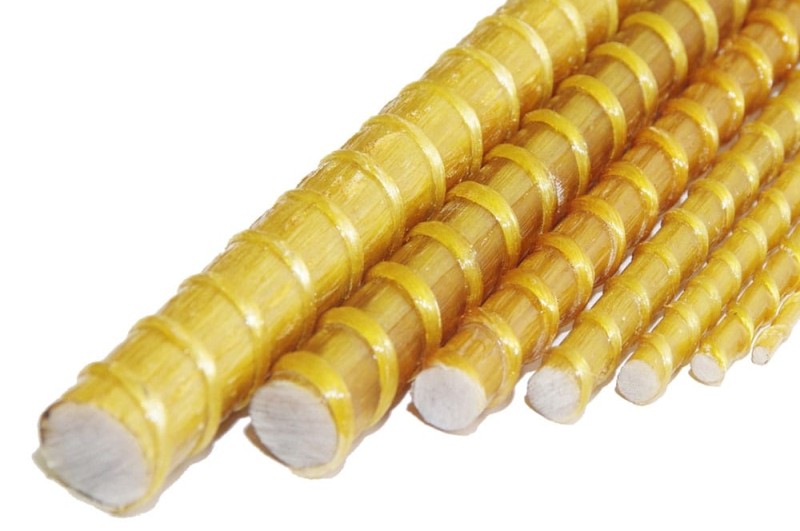
Types of GFRP rebar produced with our equipment

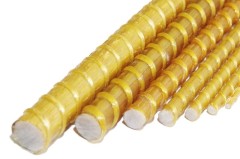
GFRP rebar in various diameters

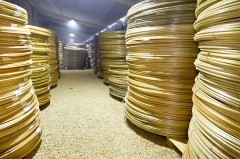
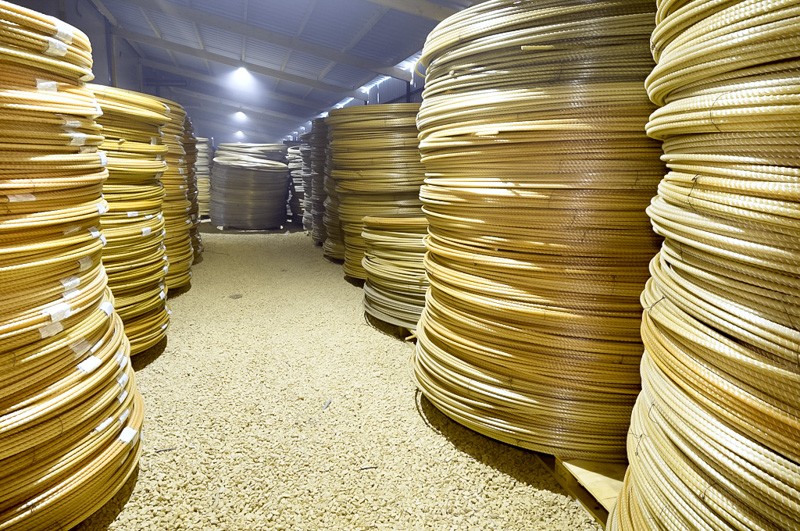
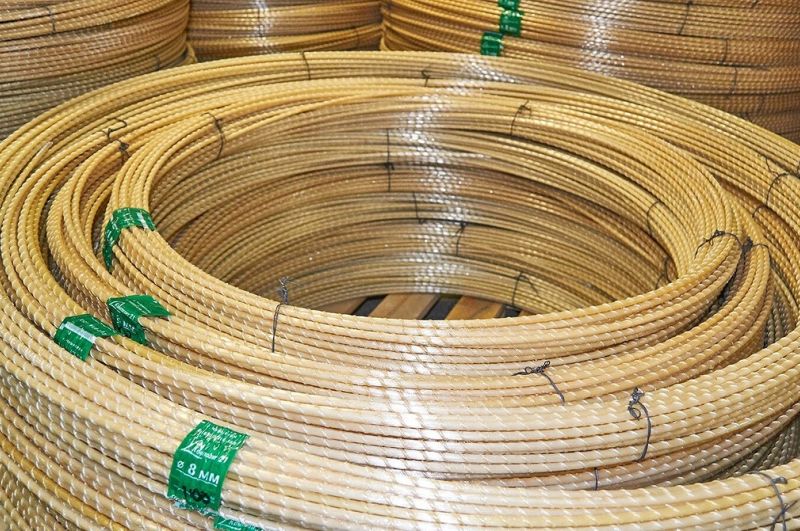
Coiled GFRP rebar

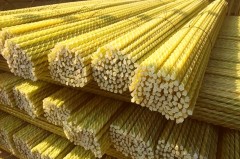
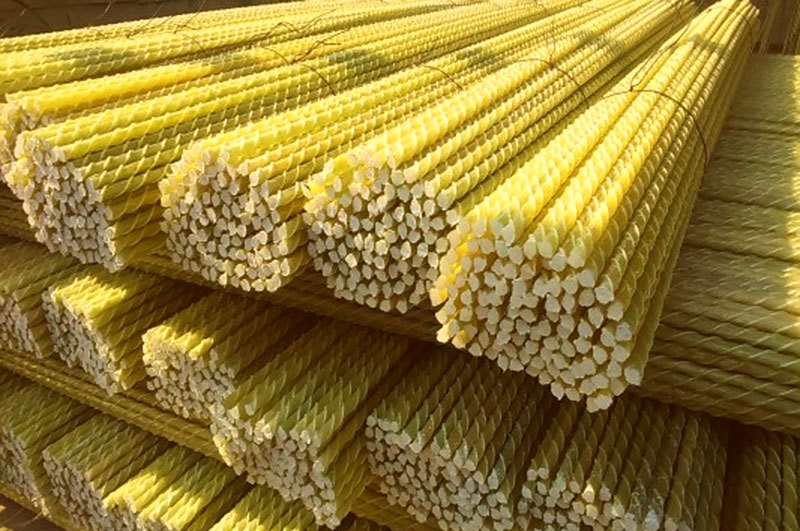
GFRP rebar in straight lengths

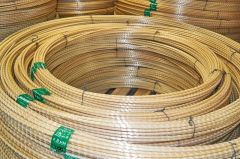
Coiled GFRP rebar

GFRP rebar production technology

The production technology supplied with the equipment includes:

  • compound preparation technology,
  • technology for manufacturing rebar in accordance with GOST and technical specifications,
  • certification of your products, laboratory testing, and issuance of a certificate confirming that your product complies with GOST.

The production of high-quality rebar that meets all GOST requirements depends on the use of proven and certified technology developed by professionals. Our company has its own laboratory specializing in composite-materials research.

The research laboratory at our company is headed by Pavel Vyacheslavovich Nikolaev.

- Doctor of Chemical Sciences and professor at the Department of Chemistry and Technology of High-Molecular Compounds at Ivanovo State University of Chemistry and Technology (ISUCT).

Here is how Pavel Vyacheslavovich describes it:

Since 1973, my research interests have included epoxy oligomers and composite materials based on them. Since 2012, I have headed the laboratory of the research and manufacturing company Ivanovo Mechanical Plant. Building-materials production is a major responsibility: people health and even lives are at stake, so technology must be handled with the utmost care.
Running the laboratory required applying the knowledge and experience I accumulated over more than 40 years of scientific work. Rebar quality, high productivity, and environmentally responsible production are the laboratory technology development priorities.

Learn more about our laboratory on the Our laboratory page

Our own research laboratory, combined with many years of research experience, ensures that our partners receive high-quality, certified technology that meets the strictest technical-regulation requirements.

Call us now and we will explain how to produce high-quality composite rebar.

2. GFRP Profile Production

The GFRP profile market covers the following areas:

  • Transport infrastructure. Composite profiles are increasingly specified for bridges, pedestrian crossings, platforms, stairs, frames, and railings.
  • Manufacturing enterprises. These products are used to make frames and fences.
  • Chemical industry. Grating, walkways, and pipelines made of composite materials can withstand aggressive environmental conditions for much longer than metal products.
  • Construction and architecture. Applications range from private construction of small buildings to road infrastructure.
  • Energy and communications. Composite stairs, railings, masts, and poles are an excellent solution because they are non-conductive, lightweight, and durable.
  • Agriculture. Profiles are used to build frames for farms, small fish-processing plants, meat-processing plants, and more.

There are tens of thousands of enterprises across the country operating in these fields.

Offer features

  • All machines are automated, so the production process is straightforward. A line can be operated by a staff of just two people.
  • The profile shape is changed by installing dies with the selected geometry. The color can be adjusted by adding a special pigment. The finished-product length is determined according to the customer's request and ease of storage and transportation.
  • GFRP profile production can be not only a core business but also a profitable investment for passive income. Simply sign an agreement with us to organize a turnkey business, and we will handle every aspect, from equipment installation to product sales.

TURNKEY BUSINESS

FROM 4 150 000 RUB

profitability from 90%

payback period from 1 month

staff 1-2 people

download business plan

GFRP profile production line configuration

SPP-1 pultrusion line

  1. Roving storage rack
  2. Impregnation chamber
  3. Die frame
  4. Pulling unit
  5. Cutting mechanism
  6. Folding rack
  7. Electronic control system
  8. Hydraulic system

View the specification

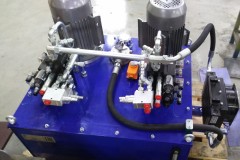
Our GFRP profile production equipment

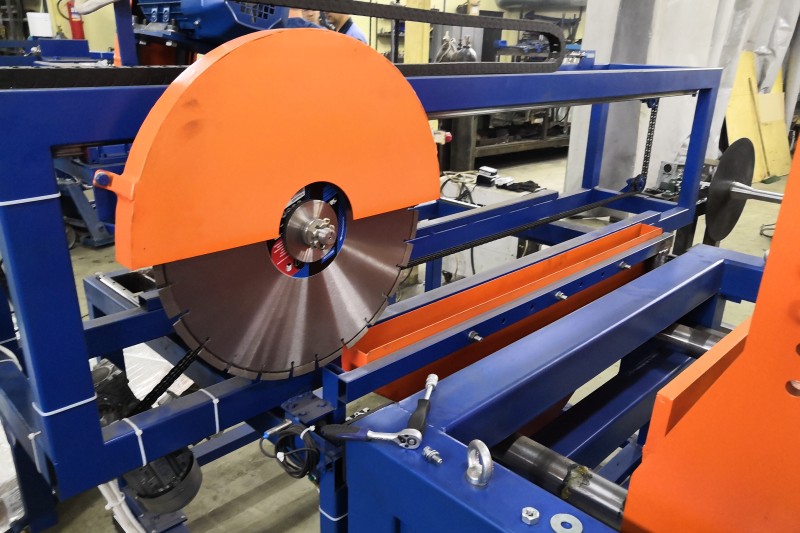
Equipment for GFRP profile production

Machine for GFRP profile production

Assembly of equipment for GFRP profile production

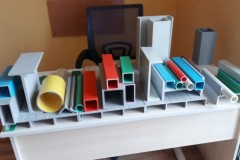
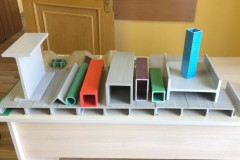
GFRP profile manufactured on our equipment

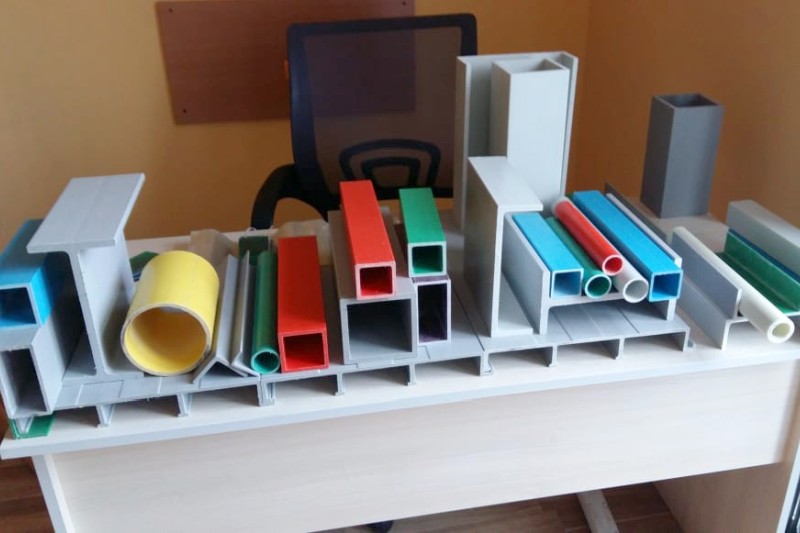
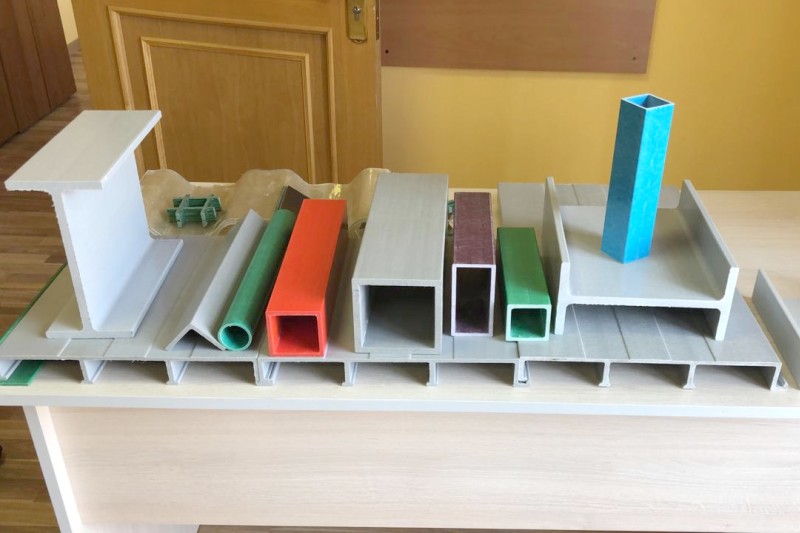
Types of composite profiles manufactured on our equipment

Examples of profiles manufactured on our equipment

Types of profiles manufactured on our equipment

GFRP profiles manufactured on our equipment

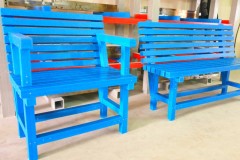
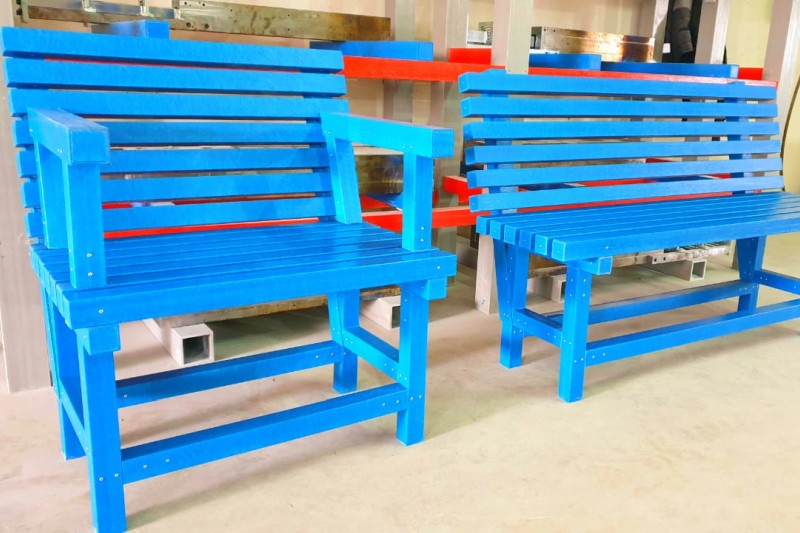
Experimental applications of GFRP profiles

GFRP profile production technology

The production technology supplied with the equipment includes:

  • compound preparation technology,
  • technology for manufacturing composite GFRP profiles in accordance with GOST and TU,
  • product certification, laboratory testing, and issuance of a certificate of conformity with GOST requirements for your product.

To produce a high-quality composite GFRP profile that meets all GOST requirements, it is essential to use proven, certified technology developed by professionals. Our company has its own laboratory specializing in research and development of composite materials.

The research laboratory at our company is headed by Pavel Vyacheslavovich Nikolaev.

- Doctor of Chemical Sciences and professor at the Department of Chemistry and Technology of High-Molecular Compounds at Ivanovo State University of Chemistry and Technology (ISUCT).

This is how Pavel Vyacheslavovich describes his work:

Since 1973, my research interests have included epoxy oligomers and composite materials based on them. Since 2012, I have headed the laboratory of the Ivanovo Mechanical Plant research and production company. Manufacturing construction materials is a huge responsibility: peoples health and even lives are at stake, so the technology must be approached with due care.
Running the laboratory required applying the knowledge and experience I accumulated over more than 40 years of scientific work. Product quality, high output, and environmentally responsible production are the main priorities in the laboratory technology development.

Learn more about our laboratory on the Our Laboratory page

Our own research laboratory, combined with many years of research experience, guarantees that our partners receive high-quality, certified technology that meets the strictest requirements of technical regulations.

Call us now and we will explain how to manufacture the best GFRP composite profile.

3. GFRP Composite Mesh Production

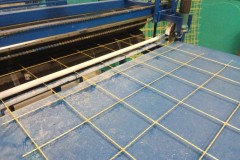
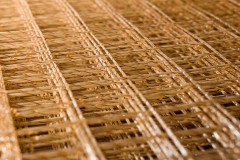
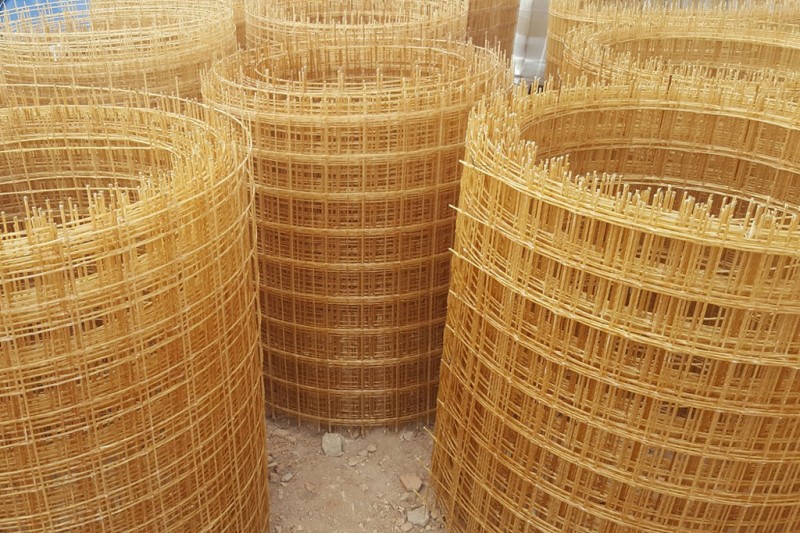
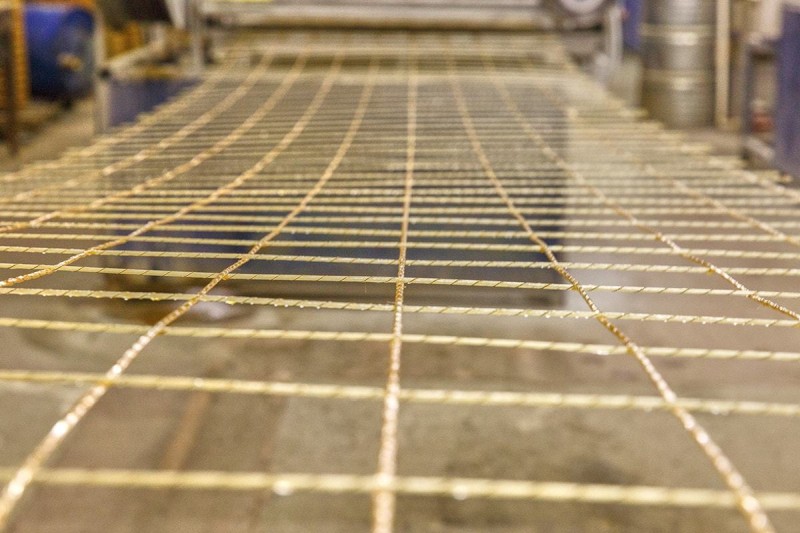
Composite mesh is increasingly used to reinforce precast concrete products, floors, foundations, masonry and even road surfaces. Its tensile strength is several times higher than that of steel mesh. It also has significantly lower elongation and provides corrosion resistance.

Many developers have already recognized the benefits of composite mesh, so its use continues to grow every year. Many of them purchase this material monthly in quantities of tens of thousands of meters.
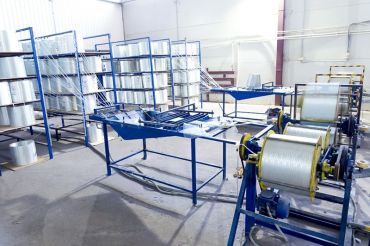
What we offer

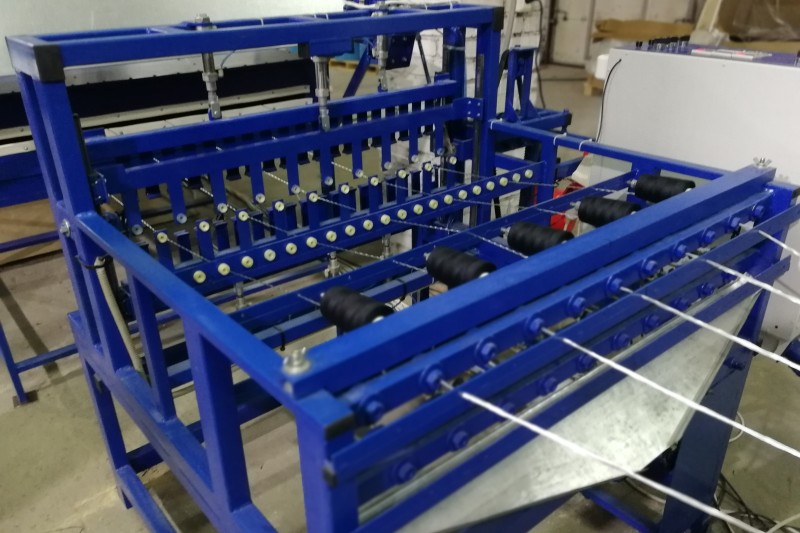
We manufacture machines in four configurations that differ in line width and maximum bar diameter:

  • SPS-1-4 — line width 1 meter, bar diameter up to 4 mm.
  • SPS-2-4 — line width 2 meters, bar diameter up to 4 mm.
  • SPS-1-8 — line width 1 meter, bar diameter up to 8 mm.
  • SPS-2-8 — line width 2 meters, bar diameter up to 8 mm.

A one-meter line can produce mesh from 0.5 to 1 meter wide; a two-meter line can produce mesh from 0.5 to 2 meters wide.

By changing the line settings, you can vary the mesh opening size from 50 to 200 millimeters in any combination.

The equipment design also differs depending on how the bars are interwoven in the mesh:

  • Carpet weave (the cross bars alternately pass around the longitudinal bars).
  • Twisted weave (the cross bars pass through the longitudinal bars).

The second mesh-weaving option provides additional strength; this configuration costs RUB 300,000 more.

TURNKEY BUSINESS

FROM 1 950 000 RUB

profitability from 90%

payback period from 1 month

staff 1-2 people

Download the business plan

Components of the composite GFRP mesh production line

SPS-1/SPS-2 lines

  1. Roving storage rack
  2. Impregnation chamber
  3. Die frame
  4. Pulling unit
  5. Cutting mechanism
  6. Stacked rack
  7. Electronic control system
  8. Hydraulic system

SPS-1 line specifications

SPS-2 line specifications

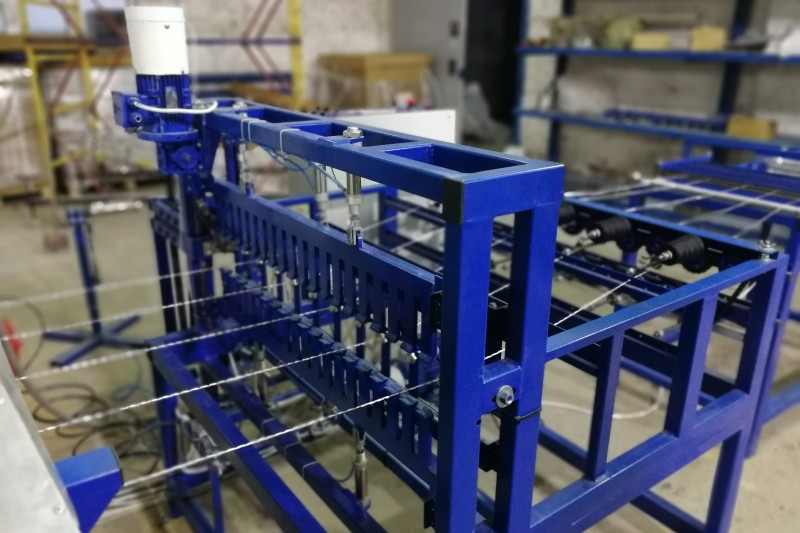
Our GFRP mesh production equipment

Composite mesh production equipment

Composite mesh production machine

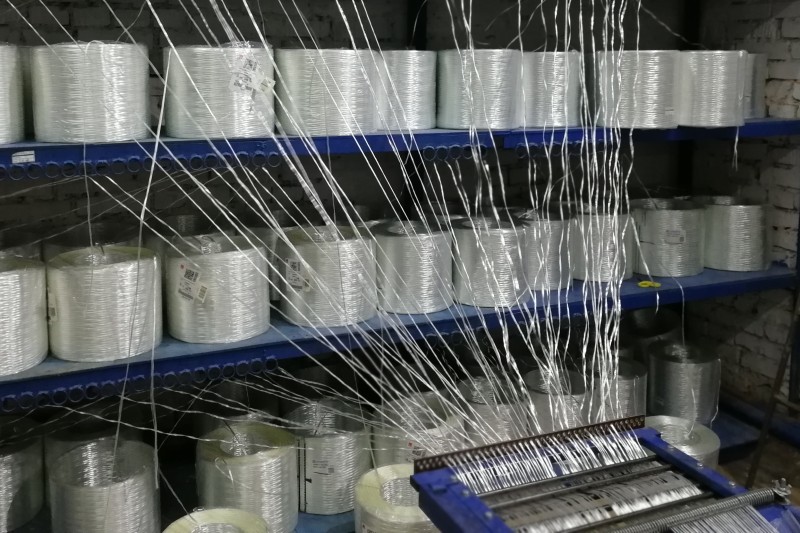
Fibers used to produce composite mesh

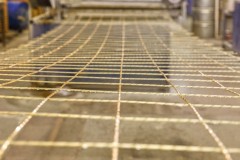
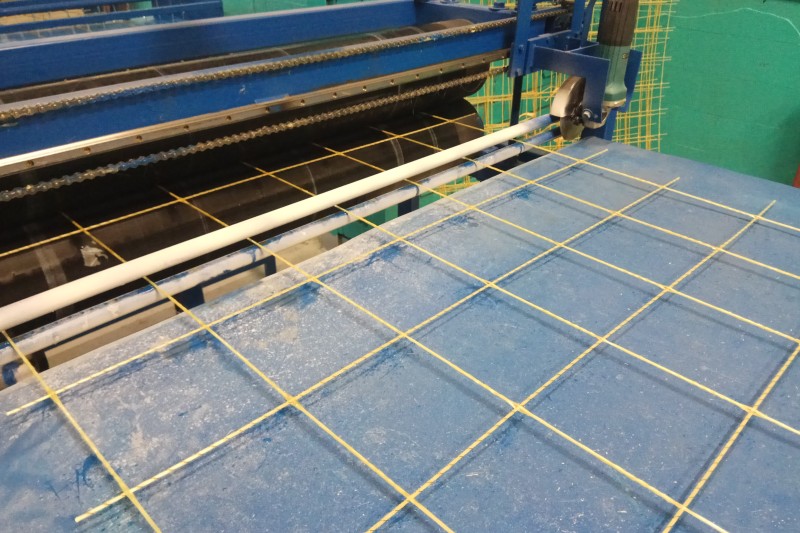
Composite mesh production with our equipment

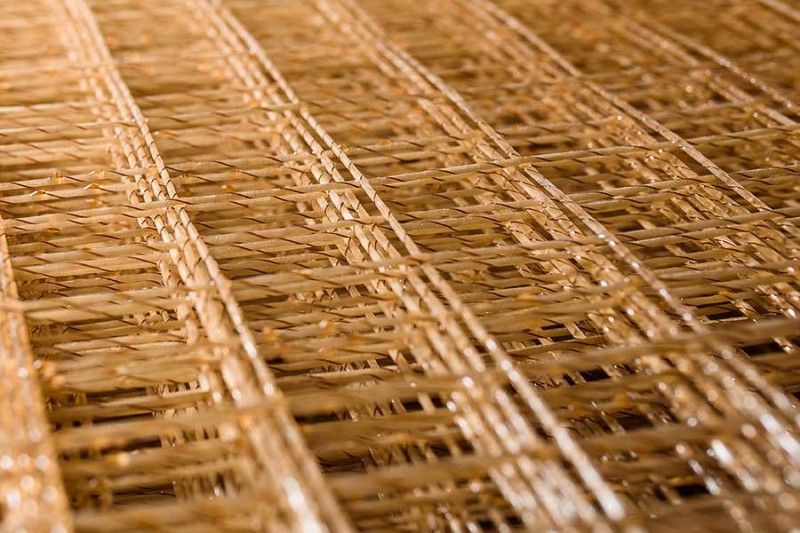
Types of composite mesh produced with our equipment

Composite mesh in various diameters

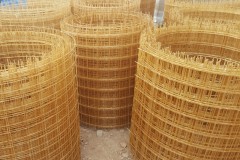
Composite mesh rolled up

Composite mesh production with our equipment

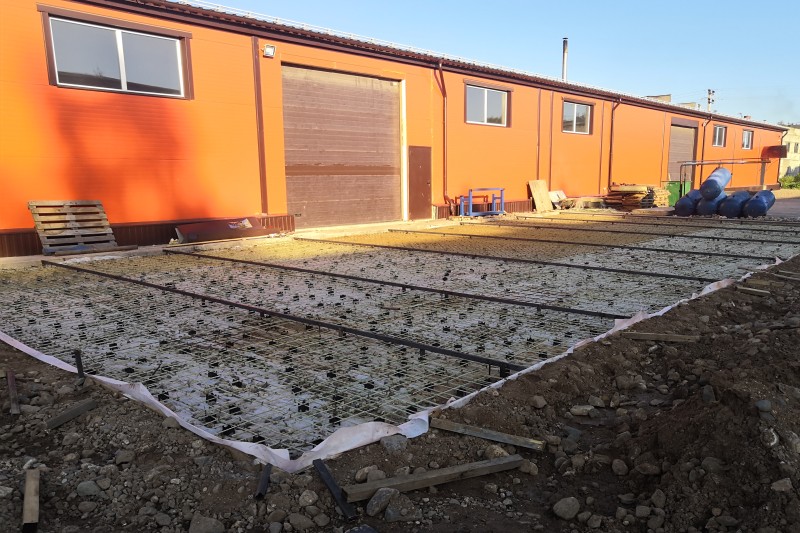
Foundation of our plant built on composite mesh

GFRP mesh production technology

The production technology supplied with the equipment includes:

  • compound preparation technology,
  • technology for manufacturing composite mesh in accordance with GOST and technical specifications,
  • certification of your products, laboratory testing, and issuance of a certificate confirming that your product complies with GOST.

The production of high-quality mesh that meets all GOST requirements depends on the use of proven and certified technology developed by professionals. Our company has its own laboratory specializing in composite-materials research.

The research laboratory at our company is headed by Pavel Vyacheslavovich Nikolaev.

- Doctor of Chemical Sciences and professor at the Department of Chemistry and Technology of High-Molecular Compounds at Ivanovo State University of Chemistry and Technology (ISUCT).

Here is how Pavel Vyacheslavovich describes it:

Since 1973, my research interests have included epoxy oligomers and composite materials based on them. Since 2012, I have headed the laboratory of the research and manufacturing company Ivanovo Mechanical Plant. Building-materials production is a major responsibility: people health and even lives are at stake, so technology must be handled with the utmost care.
Running the laboratory required applying the knowledge and experience I accumulated over more than 40 years of scientific work. Rebar quality, high productivity, and environmentally responsible production are the laboratory technology development priorities.

Learn more about our laboratory on the Our laboratory page

Our own research laboratory, combined with many years of research experience, ensures that our partners receive high-quality, certified technology that meets the strictest technical-regulation requirements.

Call us now and we will explain how to produce high-quality GFRP mesh.

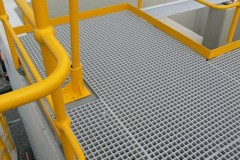
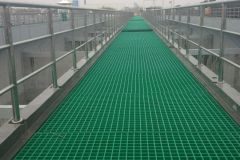
4. Composite FRP grating production

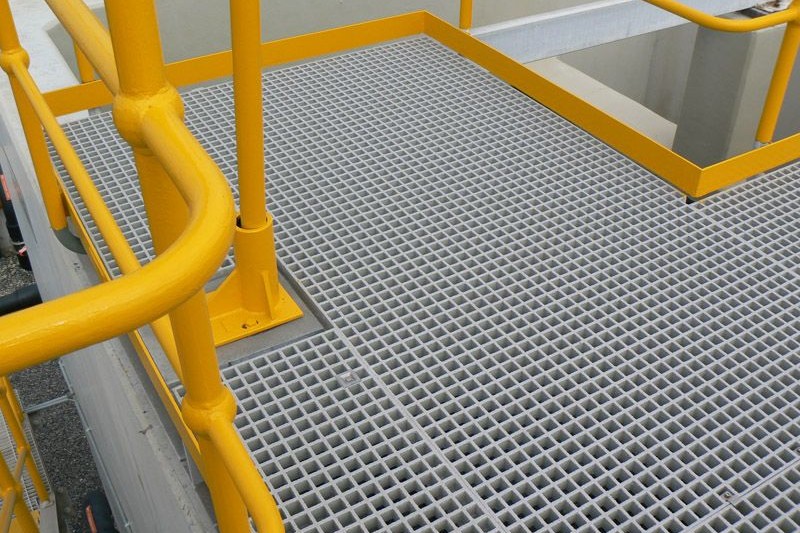
Composite grating is also a widely used material for:

  • flooring at railway stations;
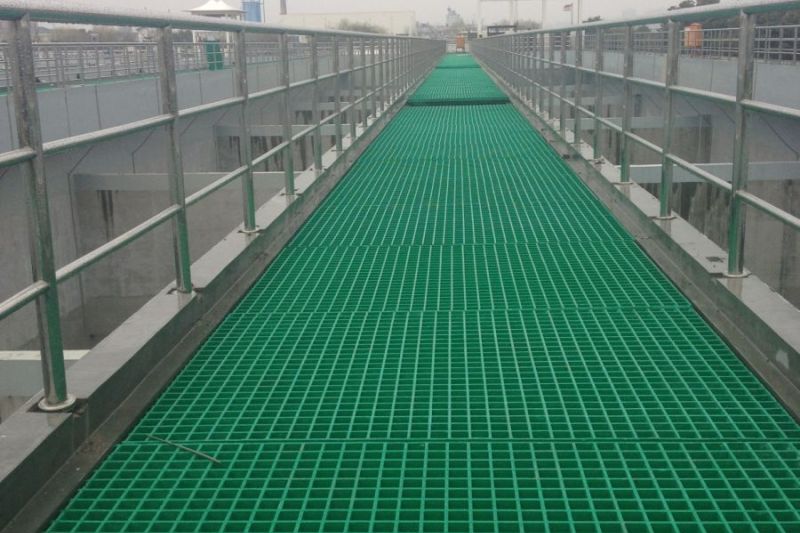
  • walkways;
  • pedestrian paths;
  • sidewalks;
  • entrance-area flooring;
  • wells and manholes;
  • raised floors at industrial sites, warehouses, and offices;
  • automotive inspection pits;
  • water collection grates at car washes, water parks, and other facilities.

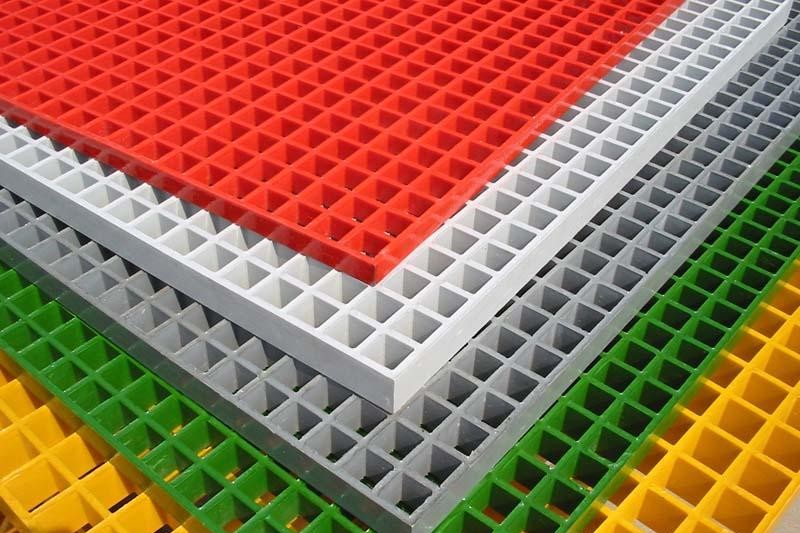
Gratings can be manufactured in different colors, so they are often used to divide areas into zones.

Their exceptional strength, resistance to rust and chemicals, low weight, and other properties of composite materials help them enter an increasing number of application areas each year.
TURNKEY BUSINESS

FROM 2 800 000 RUB

profitability from 90%

payback period from 2 months

staff 2 people

Download the business plan

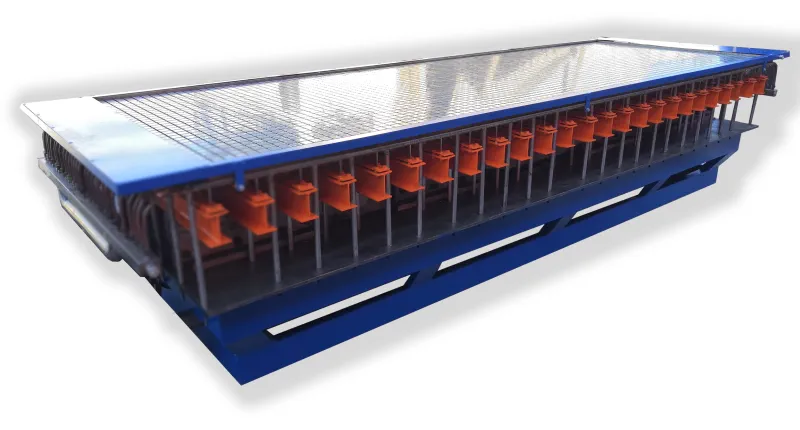
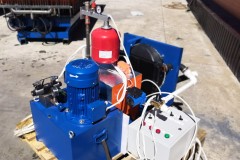
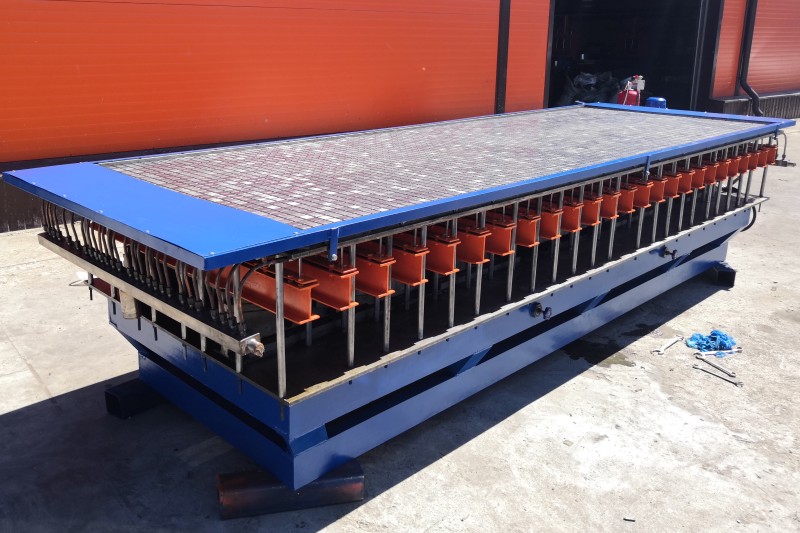
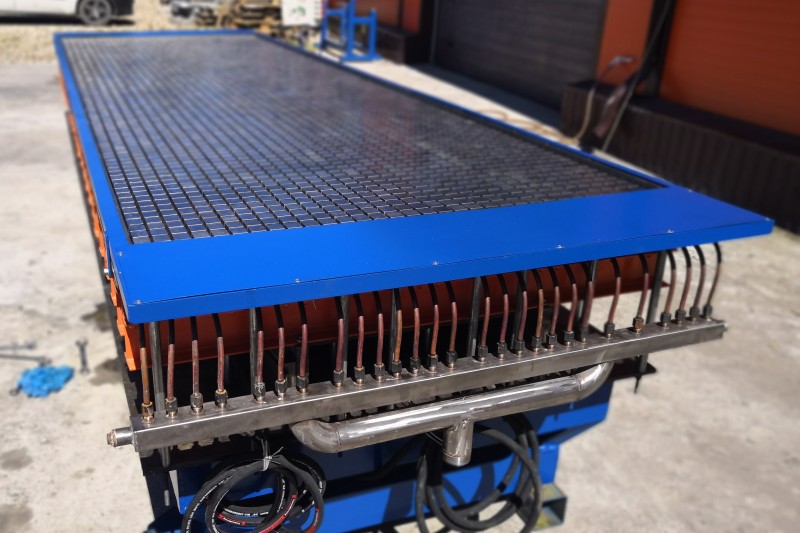
Molding table for producing composite FRP grating

Line configuration

  1. Creel
  2. Molding table
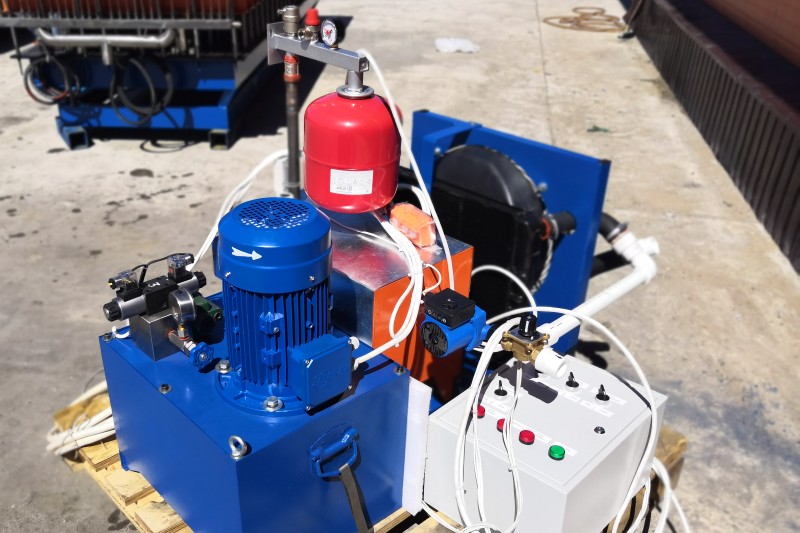
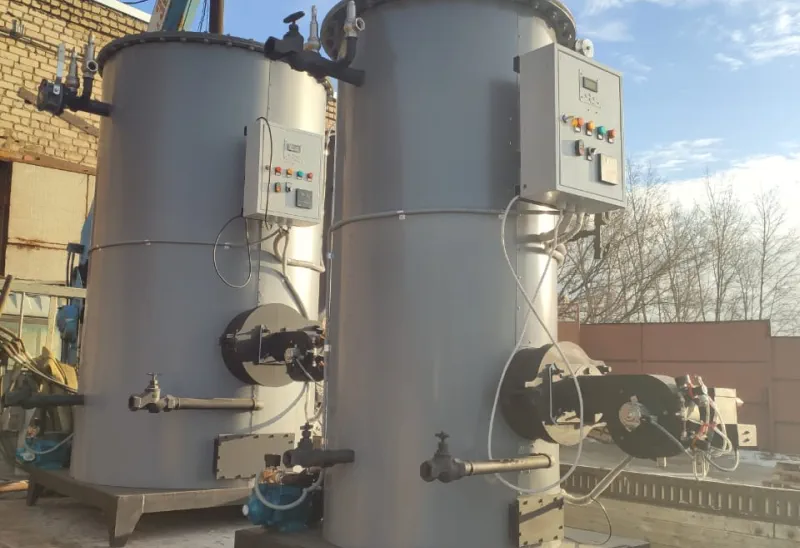
  3. Heat-transfer fluid heating boiler
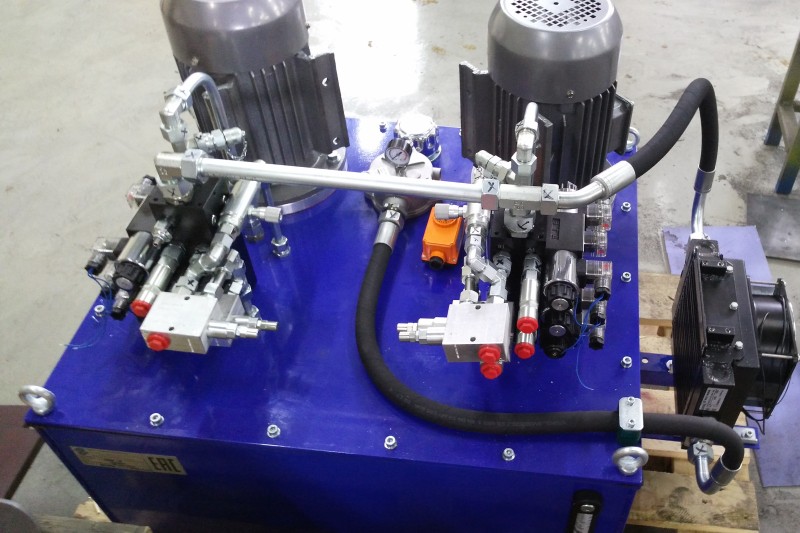
  4. Hydraulic system
  5. Control cabinet
  6. Folding rack
  7. Electronic control system
  8. Hydraulic system

View the specification

Our equipment for producing profiled FRP/GRP grating

Table for FRP/GRP grating production

Molding table for FRP/GRP grating production

Equipment component for FRP/GRP grating production

Equipment module for FRP/GRP grating production

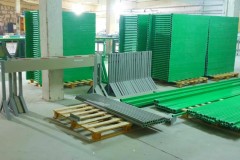
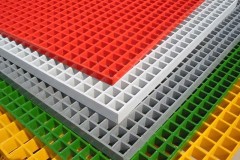
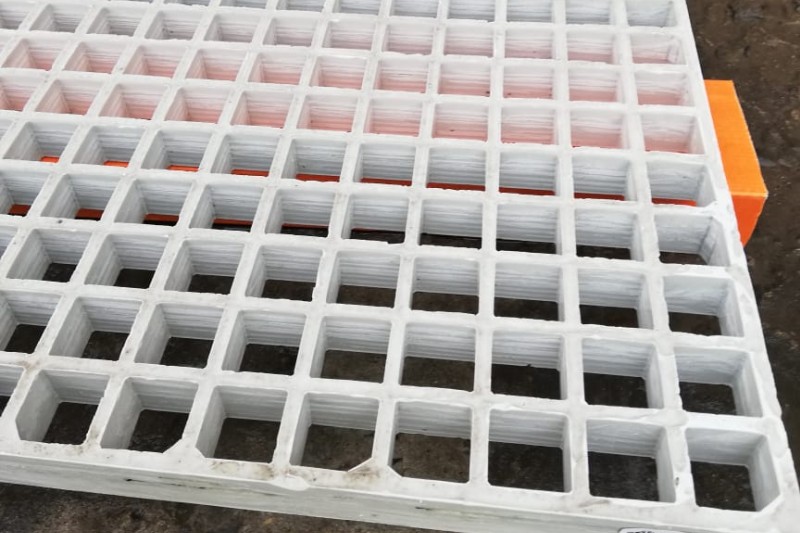
Types of FRP grating manufactured on our equipment

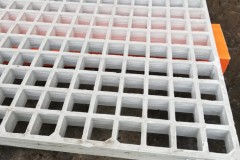
Examples of FRP/GRP grating

FRP grating manufactured by us

Applications of FRP/GRP grating

Applications of FRP/GRP grating

GRP grating production technology

Manufacturing FRP grating is not a complex process, but the technology must be followed to achieve a high-quality result. We provide the technology for producing composite grating and detailed operator training free of charge. This enables you to produce a high-quality product ready for sale from the first days of operation.

Production technology fundamentals

The primary material used to manufacture FRP grating is fiberglass, which serves as the main reinforcing material. The second component is plastic. This may be phenolic resin, one of two types of polyester resin, or vinyl ester resin.

At the first stage, fiberglass is placed into the prepared mold on the molding table to give the product strength and reliability. At the second stage, polymer is poured into the mold. Dyes can be used to give the polymer any color. An additional production step may be the application of quartz sand to the mold surface to give the FRP grating a slip-resistant finish.
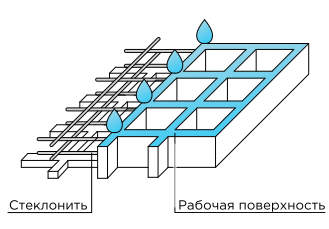
Main stages of composite grating production

  • Layer-by-layer placement of roving
  • Filling with compound and filler
  • Heating with a thermal jacket to 80 °C
  • Cooling
  • Removal of the finished product

Call us now and we will explain how to produce high-quality FRP grating.

5. Производство пенопласта

Сегодня пенопласт очень востребован в качестве теплоизоляции. Такой материал имеет невысокую стоимость и достаточно быстро окупается. Именно поэтому спрос на него всегда актуален, при этом рынок не переполнен предложениями и, в целом, далек от перенасыщения.

Более 80% потребителей этого материала относится к сфере строительства. В остальном это – упаковка, заполнение в лодках, оборудование спасательных жилетов, рыболовные снасти и пр.

Полный комплект оборудования для производства, резки и переработки пенопласта по цене от 2 950 000 руб. за линию полного цикла производства. Строительный листовой пенополистирол - самый лучший утеплитель, несъемная пенопластовая опалубка для качественного монолитного строительства, пенопластового архитектурного декора, теплоизоляции для трубопроводов - скорлупы ППУ, гранул пенополистирола. Это выгодное производство, доходный и надежный бизнес. Действуйте, Ваш успех неизбежен! Сырье вспенивающийся полистирол ПСВ (международное обозначение EPS). Производительность оборудования от 50 м³ пенополистирола плотностью от 11 кг/м³ до 35 кг/м³ в смену, любой толщины. Площадь цеха 100 – 150 м²

Особенности предложения

  • Все станки – автоматизированные, за счет чего процесс выпуска продукции не вызывает сложностей. Обслуживать линию может штат, состоящий всего из трех человек.
  • Производство пенопласта может быть не только направлением основной деятельности, но и выгодной инвестицией для получения пассивного дохода. Достаточно заключить с нами договор на организацию бизнеса под ключ, и мы позаботимся обо всех аспектах его ведения: от установки оборудования до реализации продукции.

БИЗНЕС ПОД КЛЮЧ

ОТ 2 950 000 руб

прибыльность до 50 %

окупаемость от 3 месяцев

персонал 3 человека

скачать бизнес-план

Состав линии для производства пенопласта (пенополистирола)

Линия для производства пенопласта

  1. Паровой комплекс РМ-04
  2. Предвспениватель ПВ-Ц-1,0
  3. Устройство вторичного вспенивания
  4. Приемный бункер
  5. Блок-форма
  6. Пароаккумулятор
  7. Дробилка отходов с автоматическим упаковщиком
  8. Стол для резки пенопласта

смотреть спецификацию

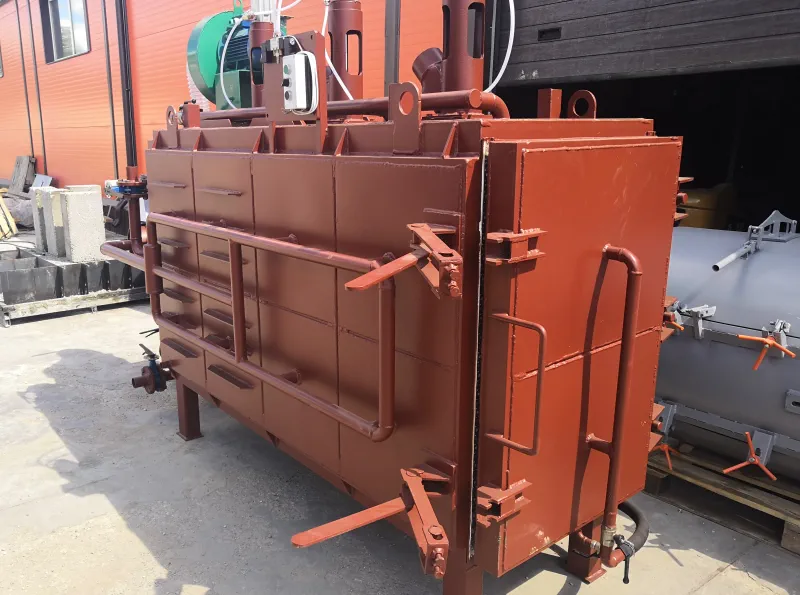
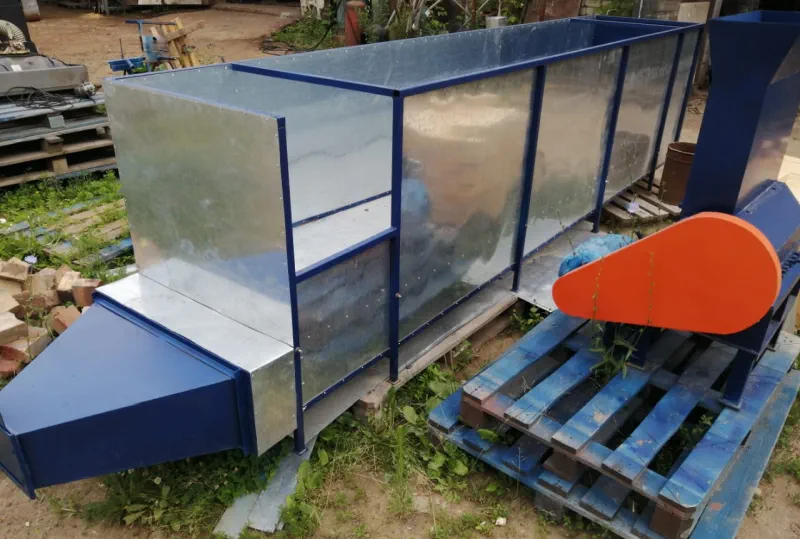
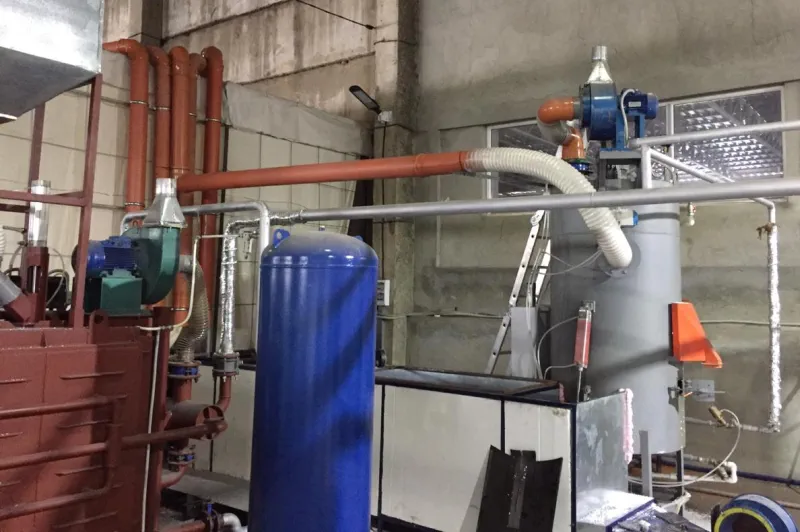
Наше оборудование для производства пенопласта (пенополистирола)

Предвспениватель для производства пенопласта (пенополистирола)

Парогенератор для производства пенопласта

Предвспениватель для производства пенопласта

Линия для производства пенопласта

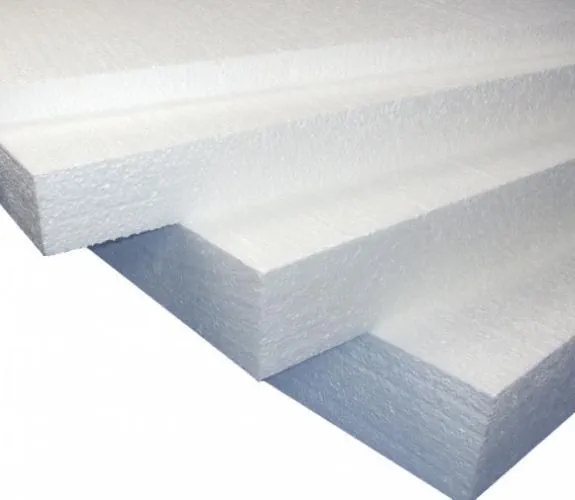
Виды пенопласта производимого на нашем оборудовании

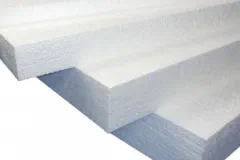
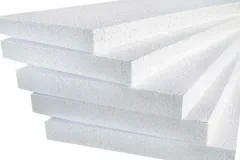
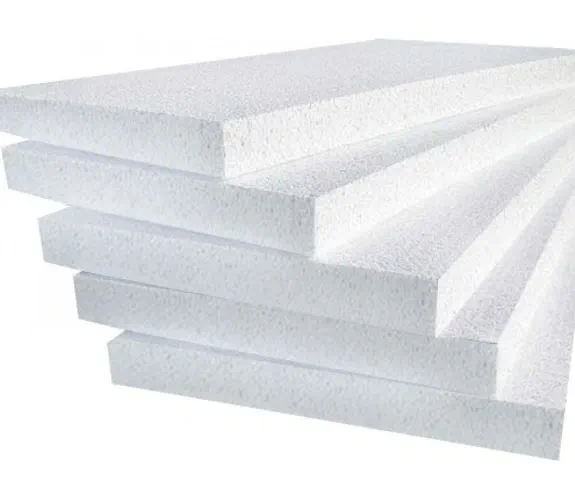
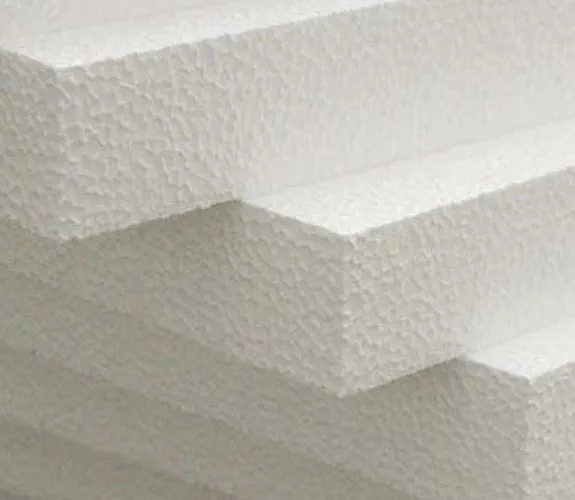
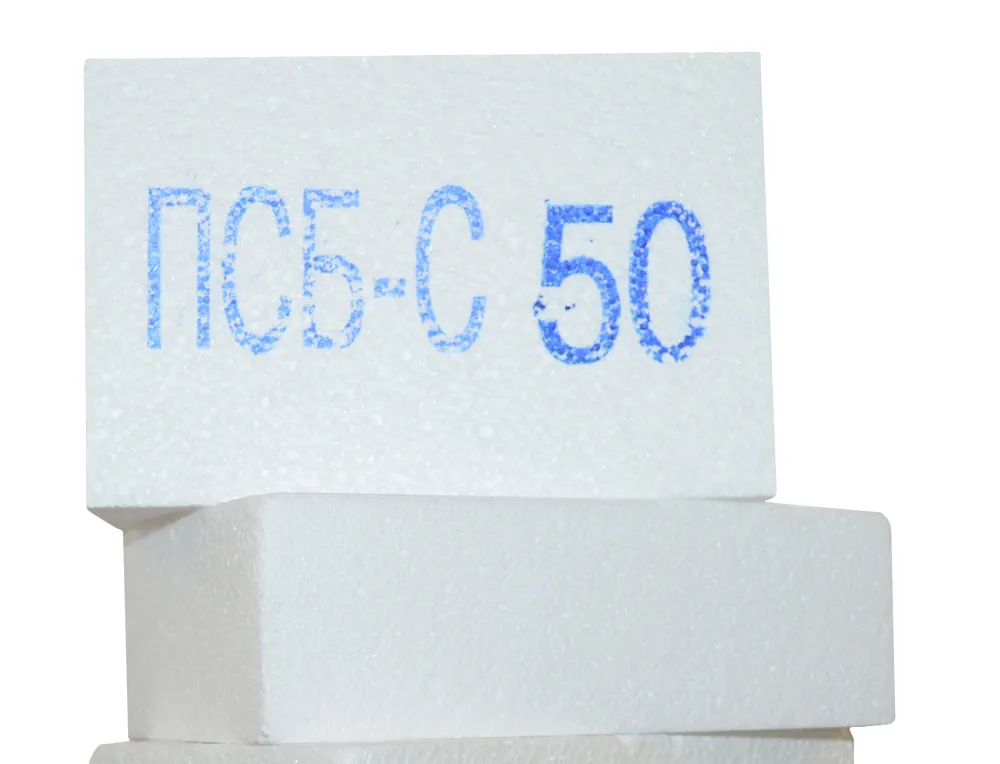
Пенопласт ПСБ-C 25 различной толщины

Пенопласт ПСБ-C 25ФК различной толщины

Пенопласт ПСБ-C 35 различной толщины

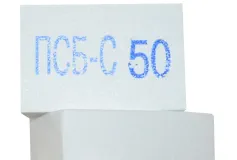
Пенопласт ПСБ-C 50 различной толщины

Пенопласт крошка

Политерм

Технология производства пенопласта

Передаваемая вместе с оборудованием Технология производства включает в себя:

  • технологии изготовления пенопласта по ГОСТу и по ТУ,
  • сертификацию Вашей продукции, испытания в лаборатории и передача сертификата соответствия Вашего продукта ГОСТу.

Технологический процесс производства пенопласта

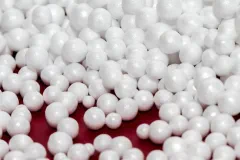
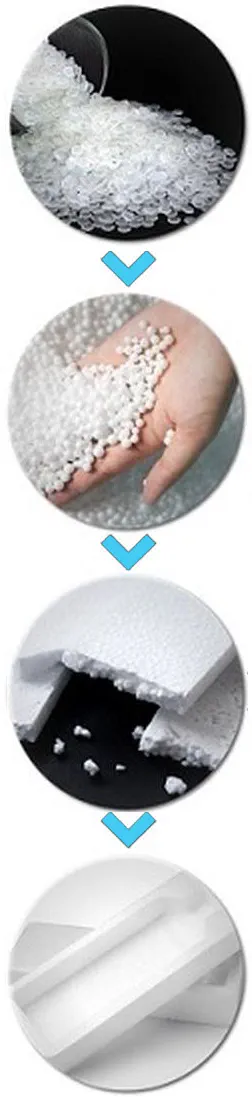
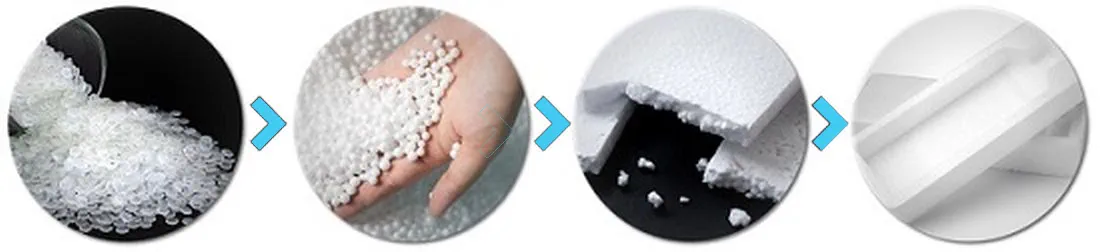
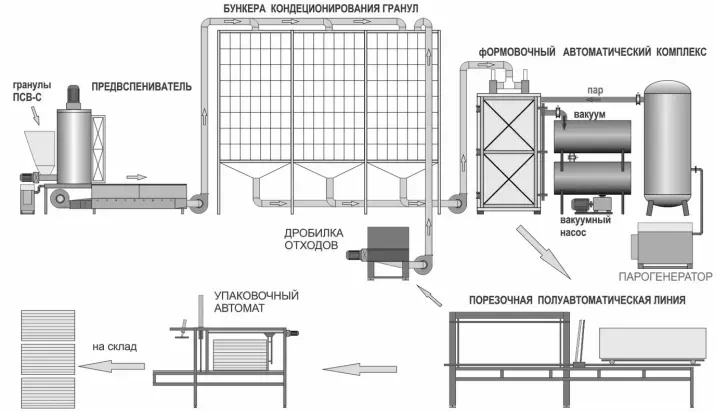
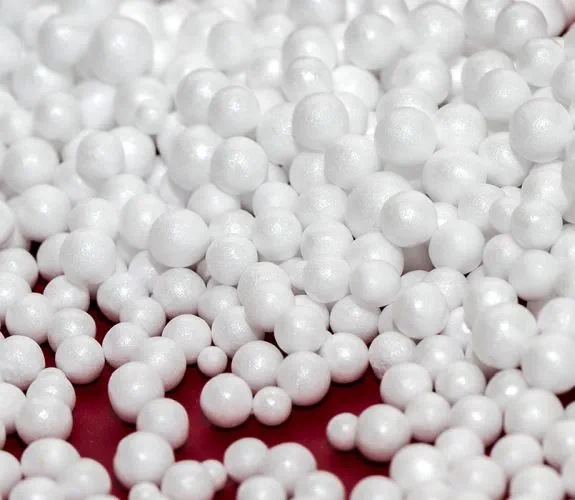
  1. Предварительное вспенивание. При первичном вспенивании гранулы поддаются паровой обработки, при этом температура достигает 95оС, но не должна превышать эту отметку. В результате нагрева гранулы расширяются, и наблюдается значительное падение плотности. Если вначале она была на уровне 140 кг/м3, то после первых секунд обработки уже 60 м3, а по истечении 5 минут – 18 – 35кг/м3;Схема оборудований по производству пенопласта
  2. Вторичное вспенивание. Если технологией предусмотрена плотность выше 18 кг/м3, то процесс производства осуществляется только с предварительным вспениванием, если необходима более низкая плотность, то используют вторичный или третичный процессы. С каждым последующим разом плотность сокращается, а теплоизоляционные и прочие характеристики пенопласта будут ухудшаться;
  3. Сушка. После каждого процесса вспенивания гранулы мокрые и должны пройти этап сушки. Сушка проводится при подаче нагретого до 45оС воздуха. Благодаря вентиляторам, воздух свободно циркулирует внутри бункера и гранулы равномерно осушаются; Производство пенополистирола
  4. Вылеживание. Данный этап необходим для стабилизации давления внутри гранул, они насыщаются кислородом и окончательно высушиваются.
  5. Формирование изделия. Высушенное сырье подается в формовочный блок, где подвергается паровому нагреву, благодаря чему гранулы полистирола склеиваются друг с другом. В пресс-форме масса находится до 180 секунд под давлением пара до 1,5 кг/см3. Затем сформированный блок должен остыть, в течение 40 минут и отправляется на вылеживание (24 часа);
  6. Резка пенопласта. Готовые пенопластовые блоки направляются в порезочный механизм, который полностью автоматизирован, благодаря чему достигается высокая точность;
  7. Упаковка пенопласта. Завершающий этап, далее он направляется на склад готовой продукции и отгружается в необходимом объеме покупателю;

Позвоните нам прямо сейчас 8 (800) 550-39-50 и мы расскажем о том, как производить самый лучший пенопласт (полистирол).

6. Fiber production

The feasibility of starting a small business in fiber production is supported by the very affordable equipment cost and the broad market for finished products. Fiber is used to manufacture concrete products; this building material significantly strengthens structures, reduces weight and the risk of delamination, and prevents cracks. It is purchased both in small quantities for private construction and on an industrial scale.

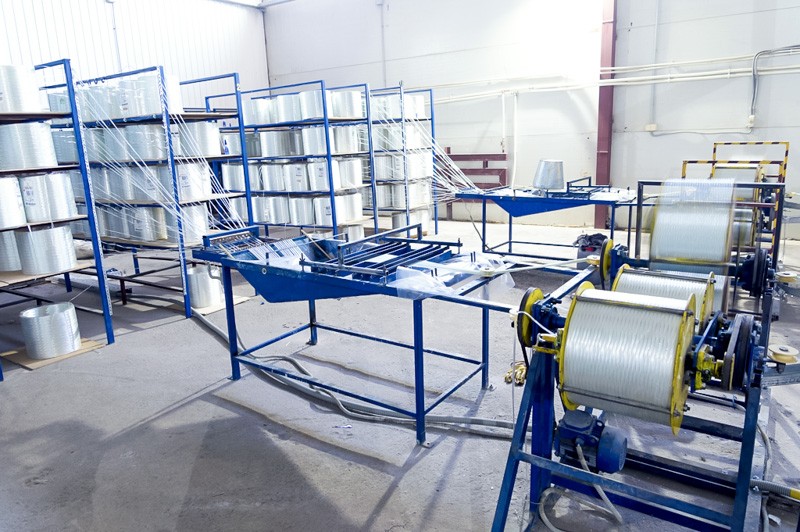
A complete equipment package for producing fiber and cutting and shredding fiberglass or any textile waste, priced from 550 000 RUB

The machine has a feed unit consisting of two rubber rollers pressed against each other to feed raw material to the cutting blades. The blades have a guillotine design and are driven by a 3 kW electric motor. Gears transmit the force, ensuring equipment reliability and durability. The machines can also process fiberglass and waste from textile and other industries.
FIBER PRODUCTION MACHINE

from 550 000 RUB

Profitability: up to 85%

Payback period: from 2 months

Staff: 1 person

submit an inquiry

Length, width, height — 1300 × 900 × 1300 mm.

A 3 × 3 m room is sufficient to install the fiber production machine.

Supply voltage — 380 V.
Power consumption — 4 kW/h

The machine is highly energy-efficient.

diameter 1 cm — 70–100 kg/h
diameter 3–5 cm — 140–200 kg/h
diameter 5–7 cm — 350–400 kg/h
diameter 7–10 cm — 400–600 kg/h

Monthly fiber production volume per shift — up to 125 tonnes

Adjustable cutting length: 1–100 mm.
Effective cutting length: 220 mm.
Cutting thickness: 5–40 mm.

See the technical documentation for details on length adjustment

One operator is sufficient to operate the line

Our specialists train operators.
Complete technical documentation is supplied with the machine.

Equipment warranty — 3 years.
Warranty and post-warranty service.

Output of 3,000,000 linear meters of finished product. The equipment is reliable; its proven service life without major overhaul is 10 years.

Want to buy a fiber production machine? Just send us an inquiry