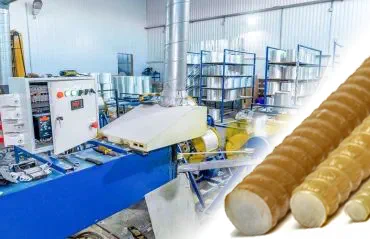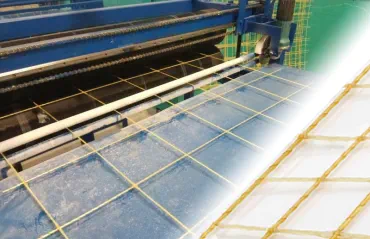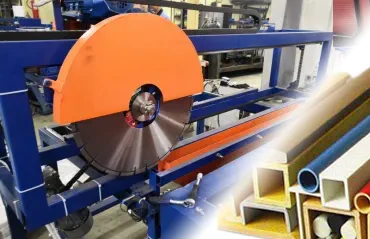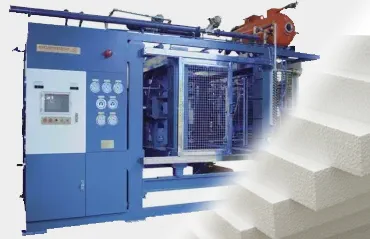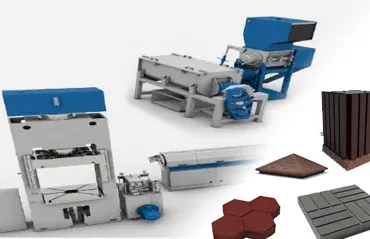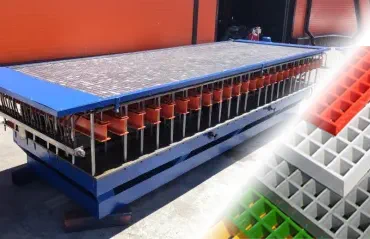


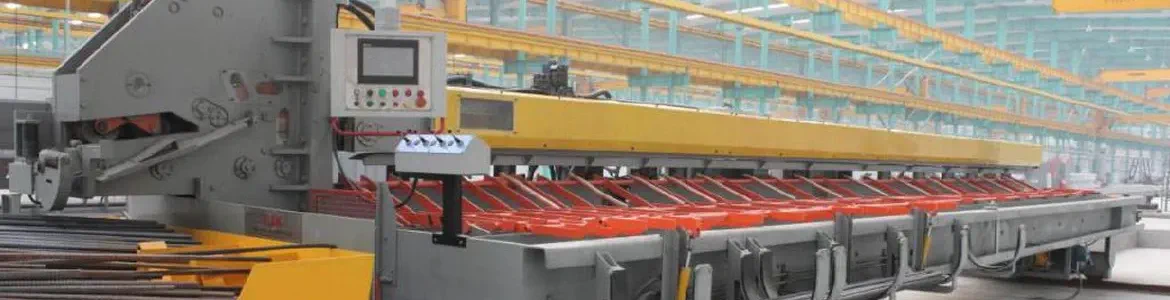
Automatic production lines
The primary purpose of automatic lines is to increase productivity and profit. This is achieved by increasing the share of operations performed automatically by the equipment and reducing manual labor, maximizing process automation and reducing the number of operators required.
An automatic line is a group of machines with common control systems that automatically perform a sequence of operations for processing products. The line is equipped with automatic conveying systems that move products from one machine to another. It consists of a technical (mechanical) part and a software part implemented through a control unit.
Automating building-materials production with automatic lines is one of the simplest and most reliable ways to increase output, reduce production costs, and consequently increase profit. Modern industrial development makes it possible to create lines with a high degree of automation.
Development and design of an automatic line
Developing automatic lines is a complex process based on an in-depth understanding of the production process. This knowledge makes it possible to divide the process into separate stages and create reliable equipment.
Developing automatic lines requires collaboration among specialists from different fields, primarily process engineers and designers. Chemists are also involved in creating an automated pultrusion line. A detailed description and consideration of every production-process detail make it possible to create equipment that meets modern requirements.
Advantages of an automatic line for building-materials production
Using an automatic line provides a number of advantages:
- increased production profitability;
- lower product cost;
- increased production speed;
- fewer personnel required;
- reduced impact of human factors;
- a lower defect rate;
- greater operating stability.